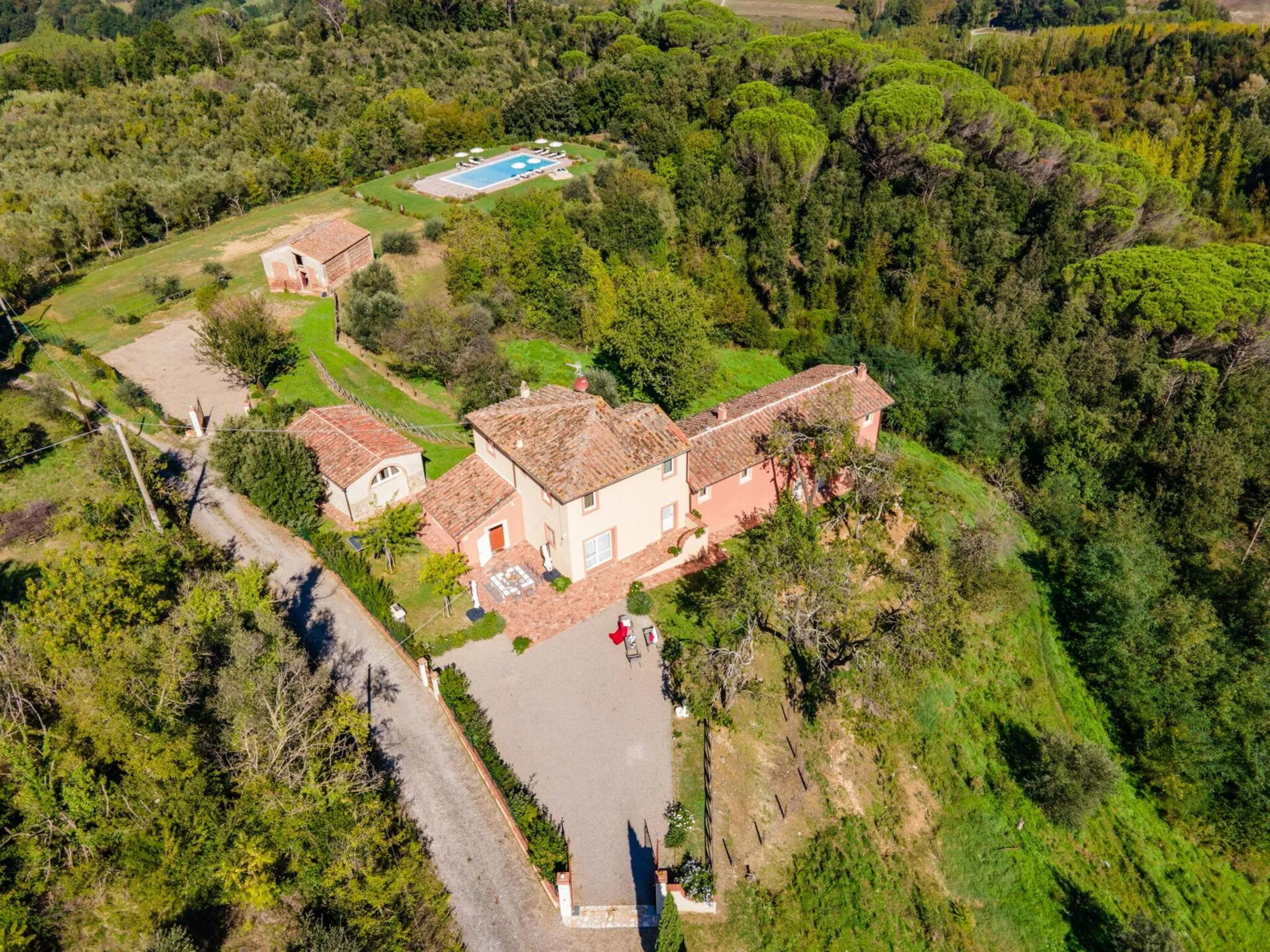
Elegant Legoli Villa with Private Pool in Pisa Hills
Tuscany · 5 bedrooms · 10 guests
Inquire for rates
 LUXERETREATS®PRIVATE VILLAS. SHARED MOMENTS.
BEYOND THE PUBLIC COLLECTION
The villas below are just a sampling. Many homes are offered as private or pocket listings. Tell us your dates and what you have in mind, and request a personal selection by email.
Inquire for private listingsExplore the collection. Rates and availability are confirmed for your travel dates.
Tuscany · 5 bedrooms · 10 guests
Inquire for rates
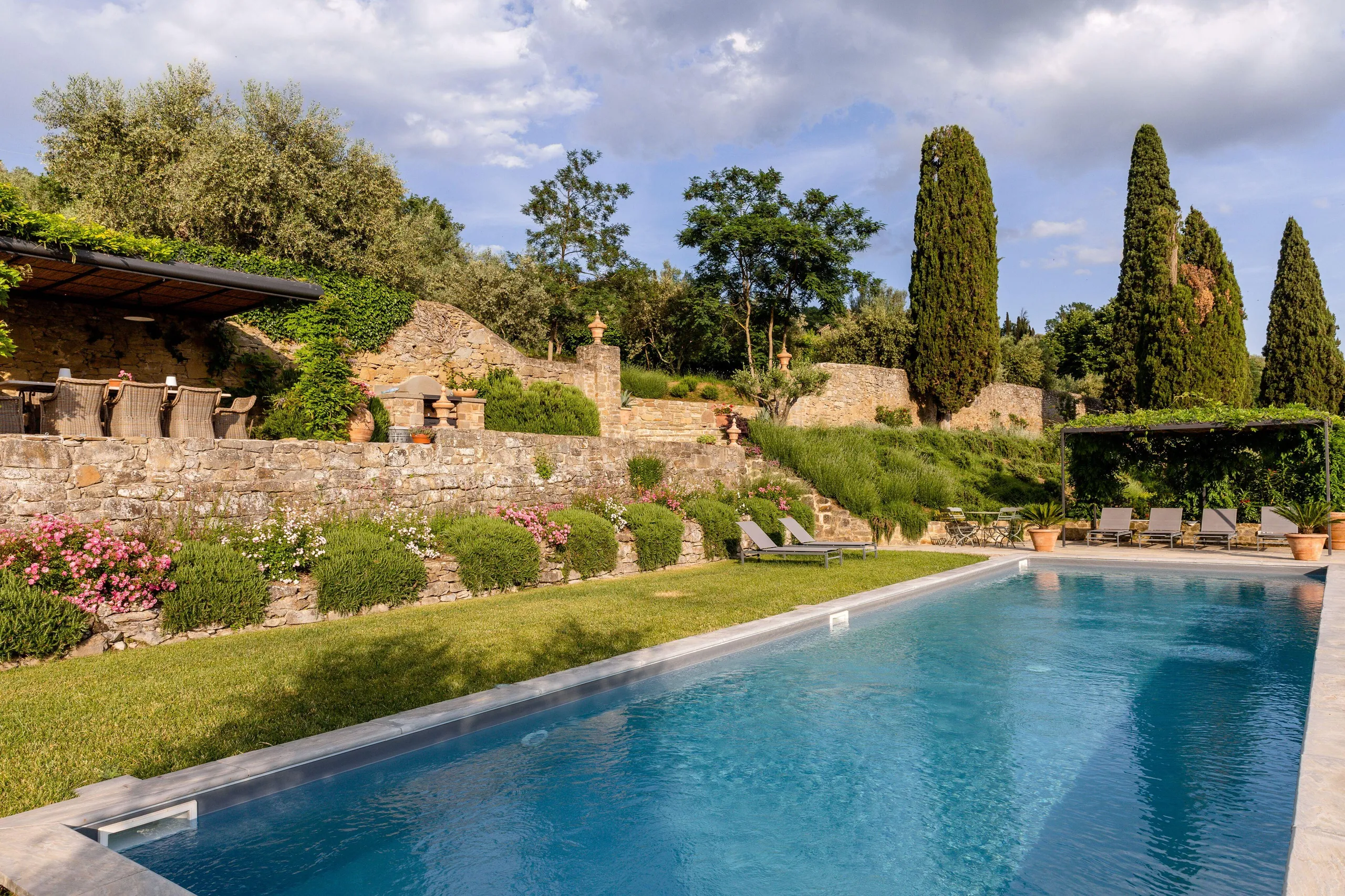
Tuscany · 4 bedrooms · 8 guests
Inquire for rates
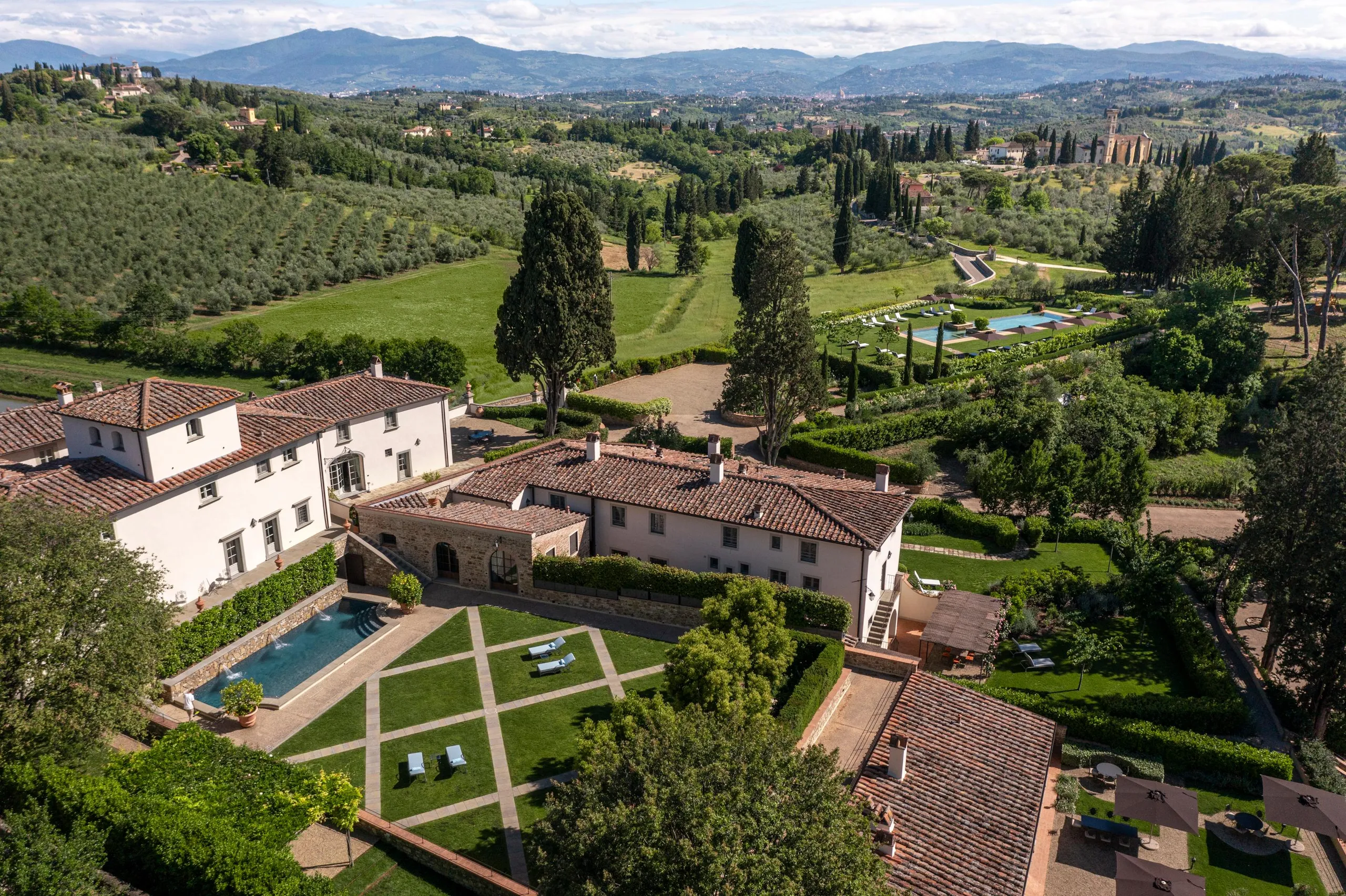
Via di Colle Ramole · 20 bedrooms · 37 guests
From $11,711.97 / night
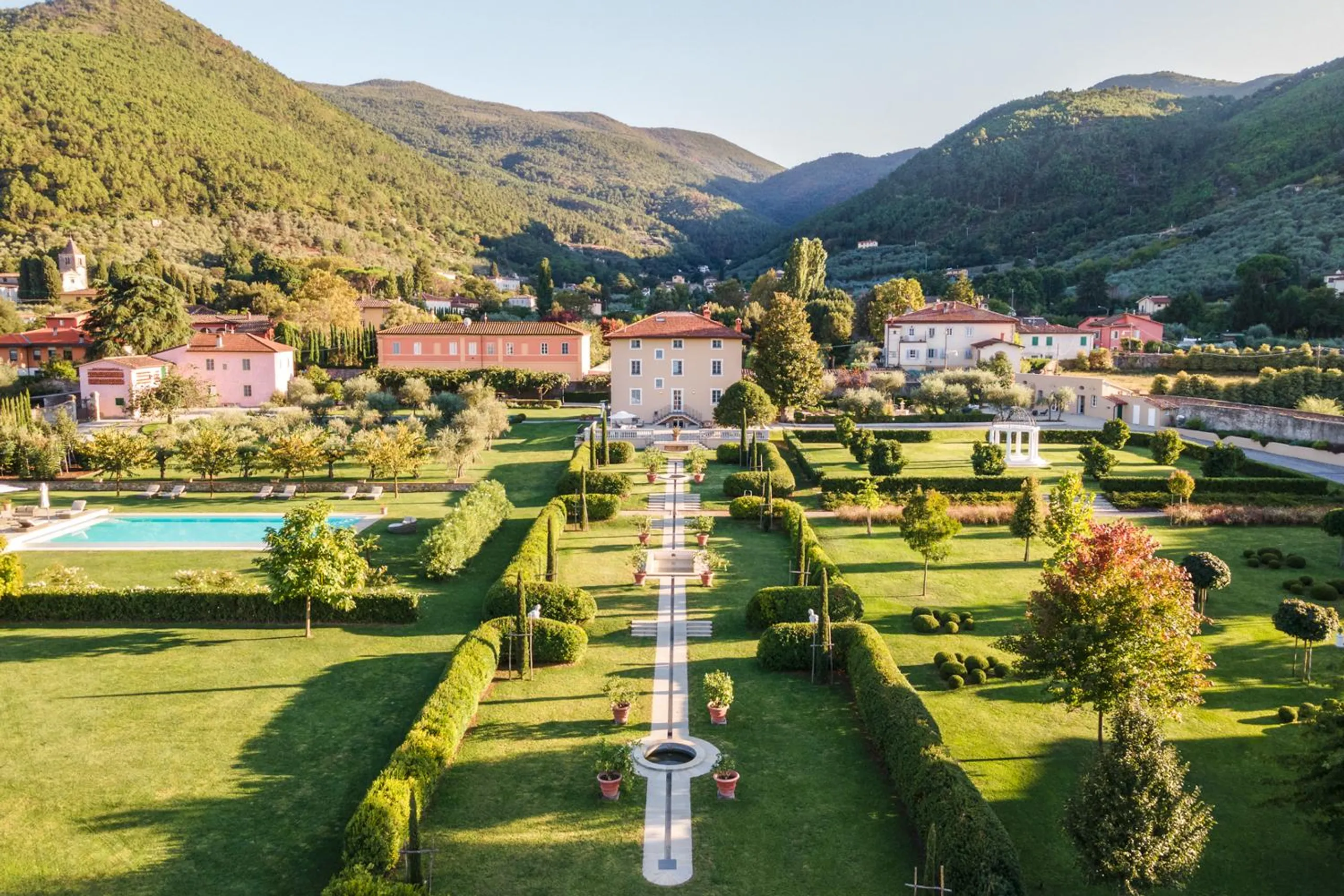
Lucca · 6 bedrooms · 18 guests
From $8,417.09 / night
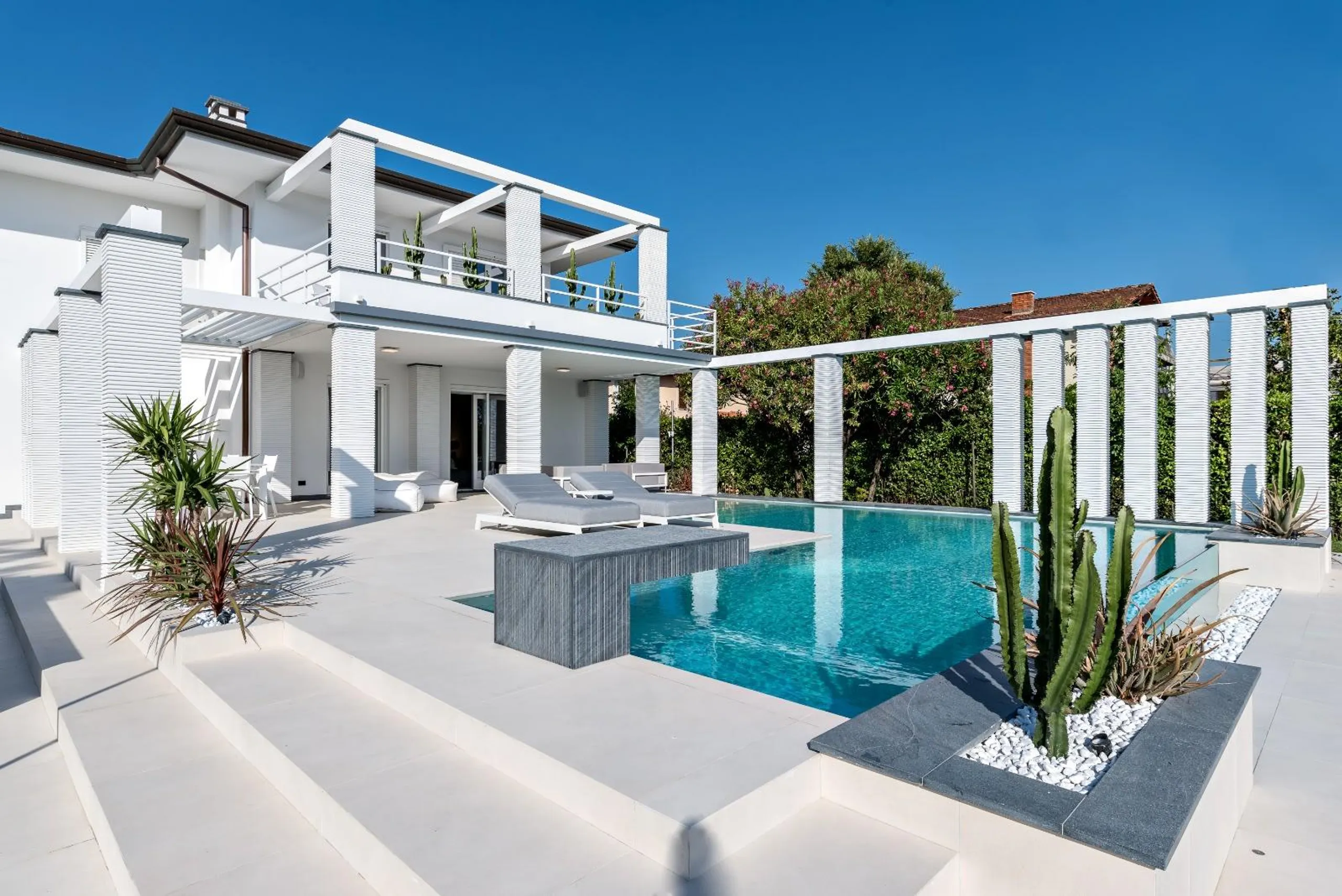
Forte Dei Marmi · 6 bedrooms · 12 guests
From $6,863.02 / night
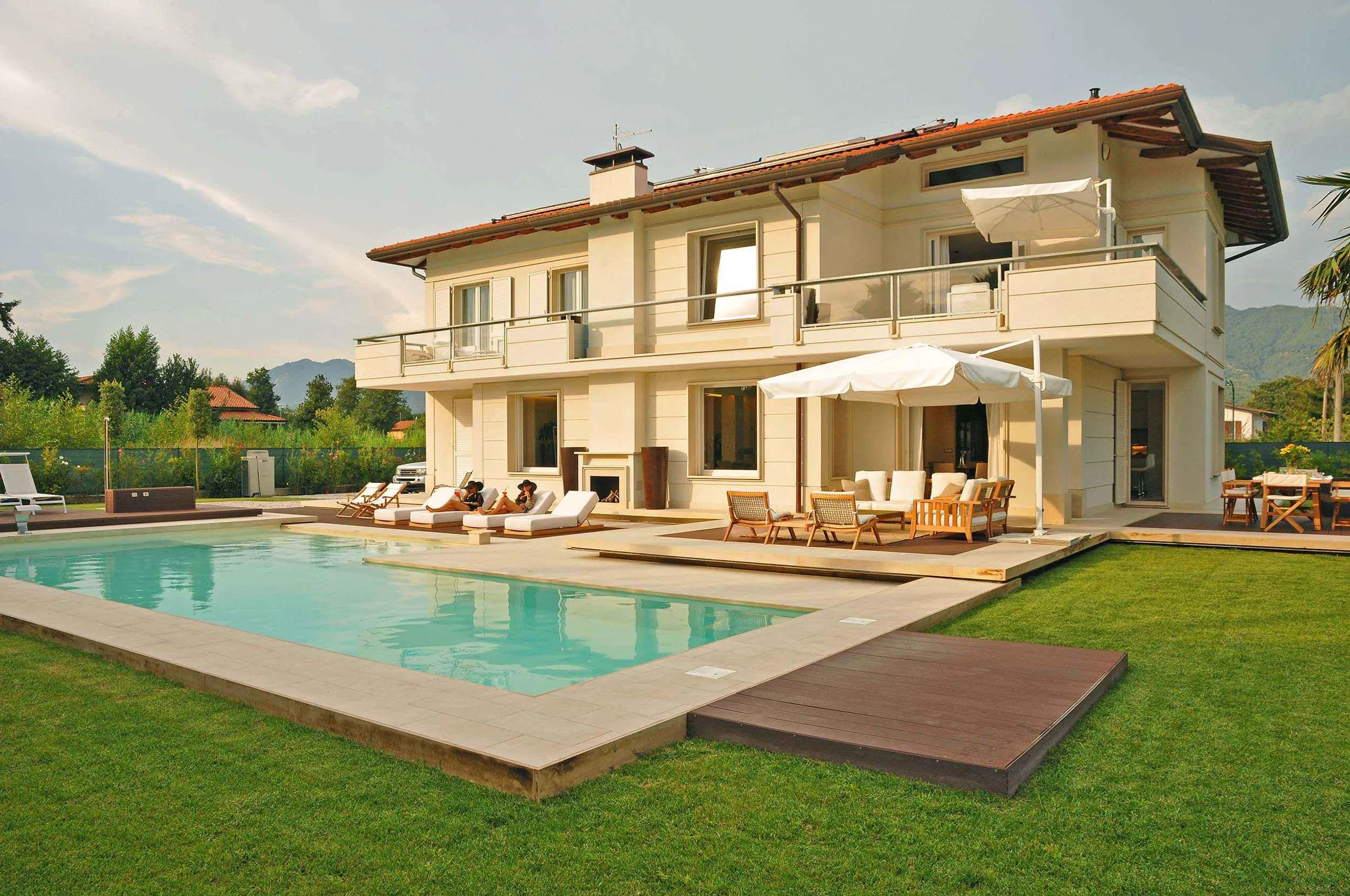
Forte Dei Marmi · 5 bedrooms · 10 guests
From $6,863.02 / night
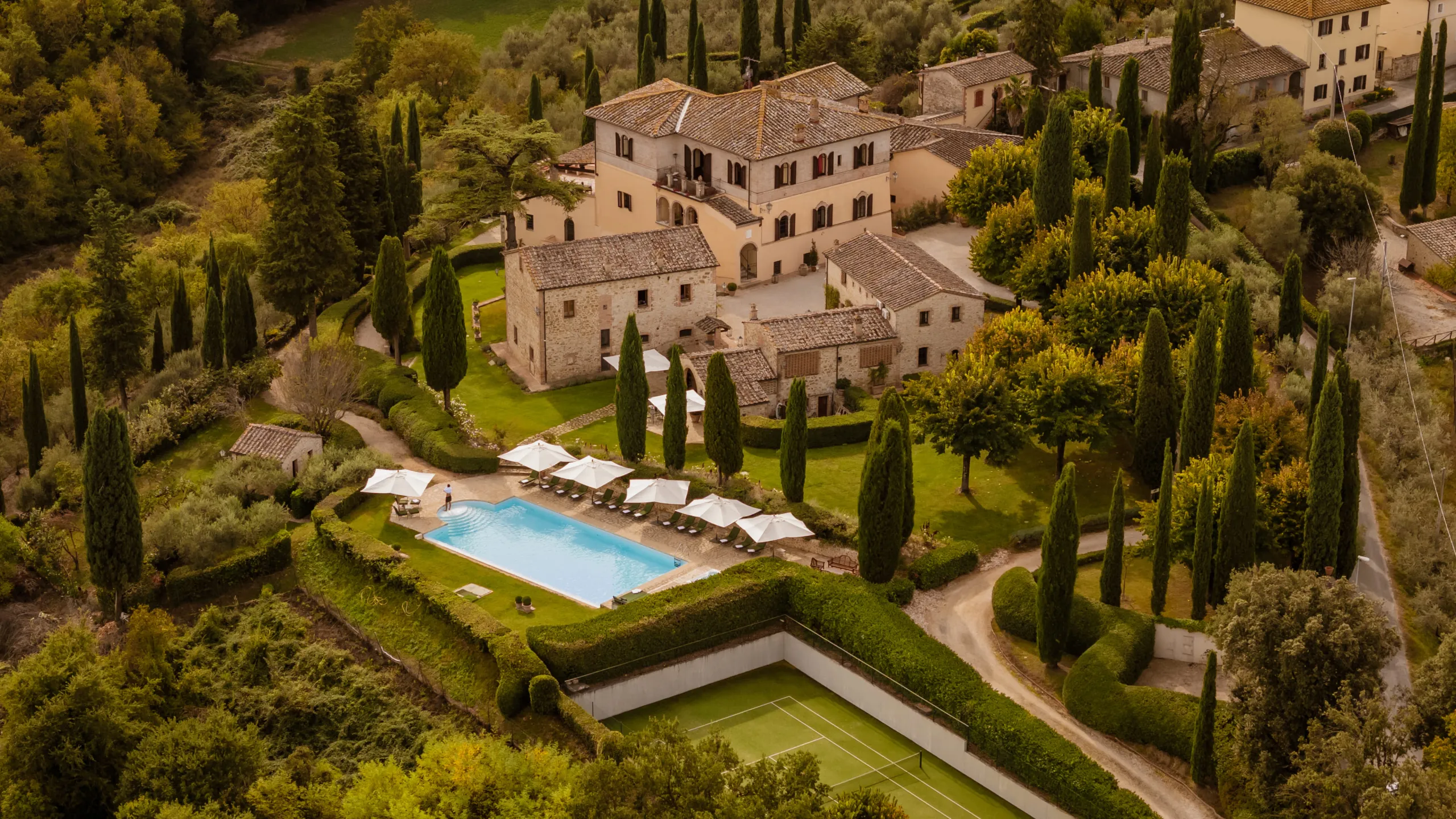
Siena · 16 bedrooms · 32 guests
From $6,820.32 / night
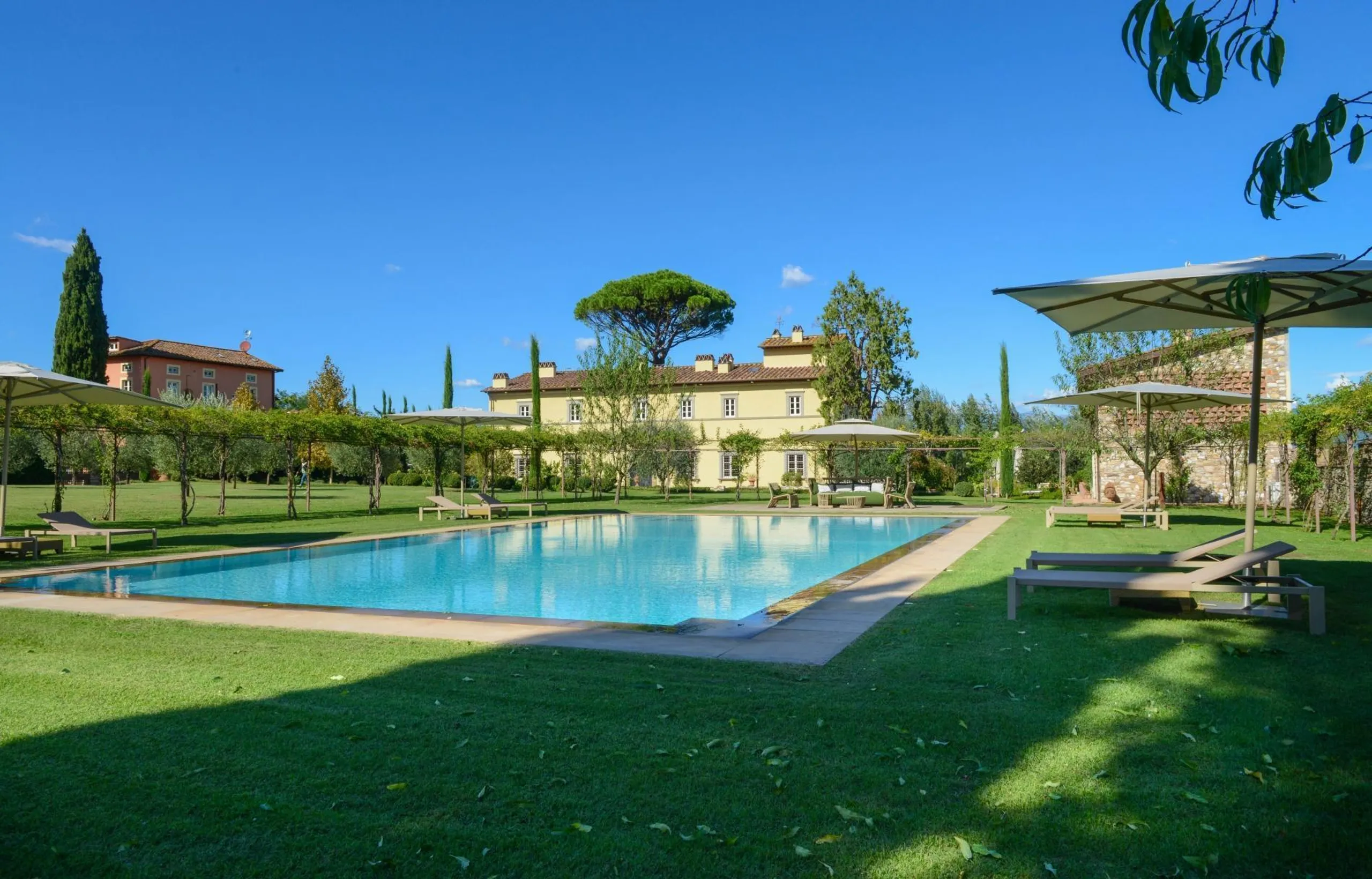
Lucca · 14 bedrooms · 28 guests
From $4,060.67 / night
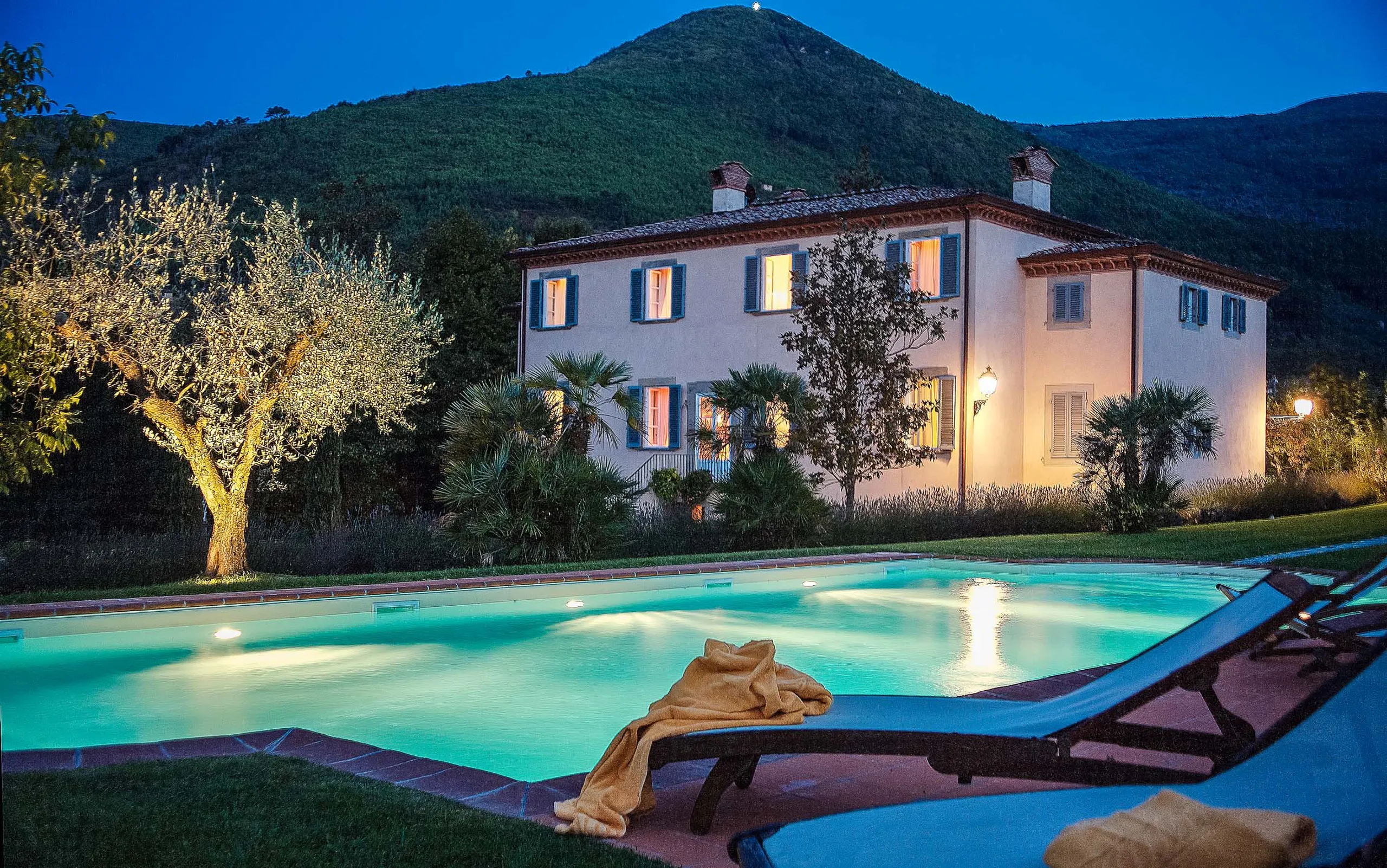
Lucca · 6 bedrooms · 12 guests
From $3,021.75 / night
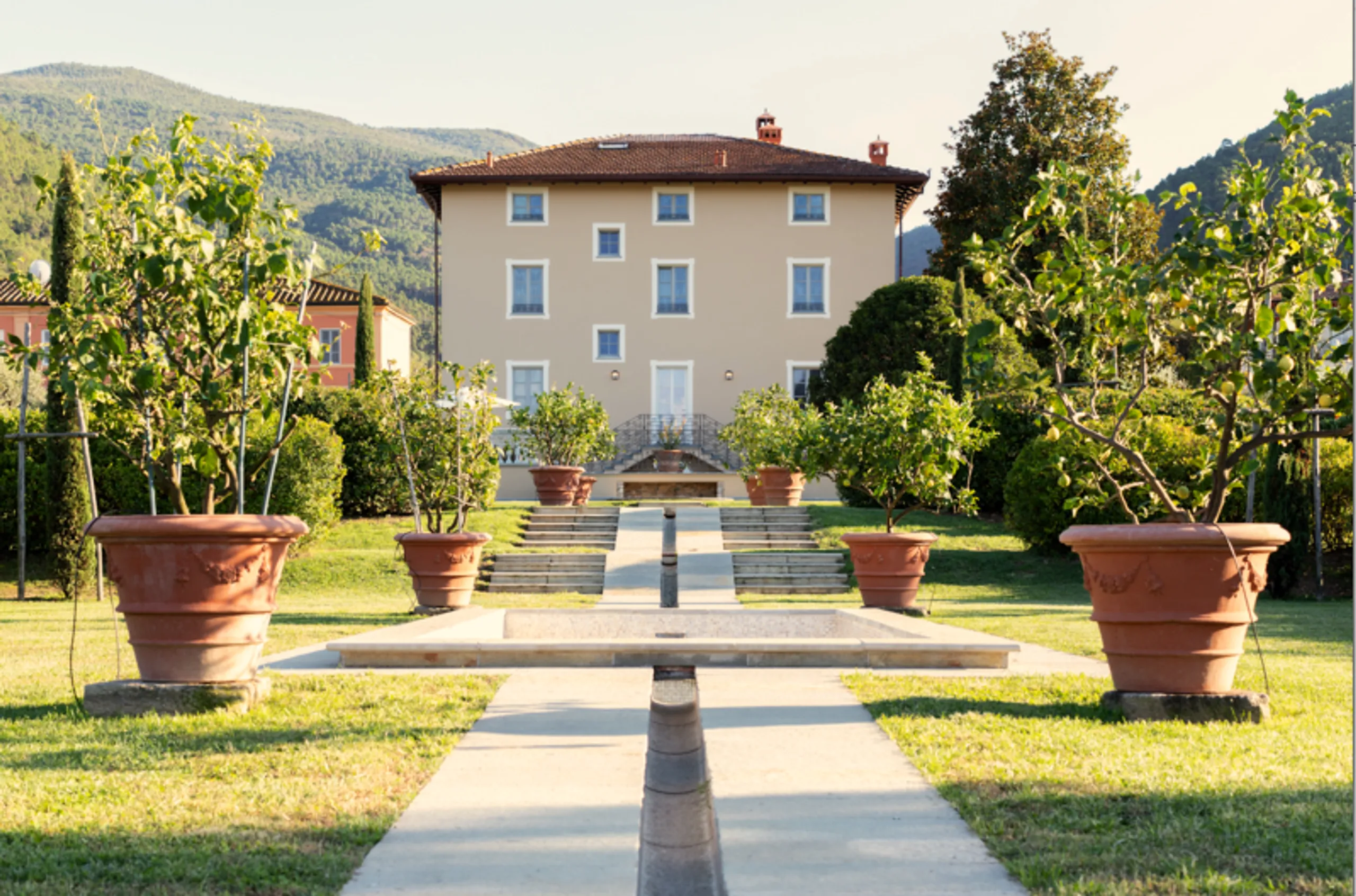
Tuscany · 6 bedrooms · 12 guests
From $2,755.19 / night
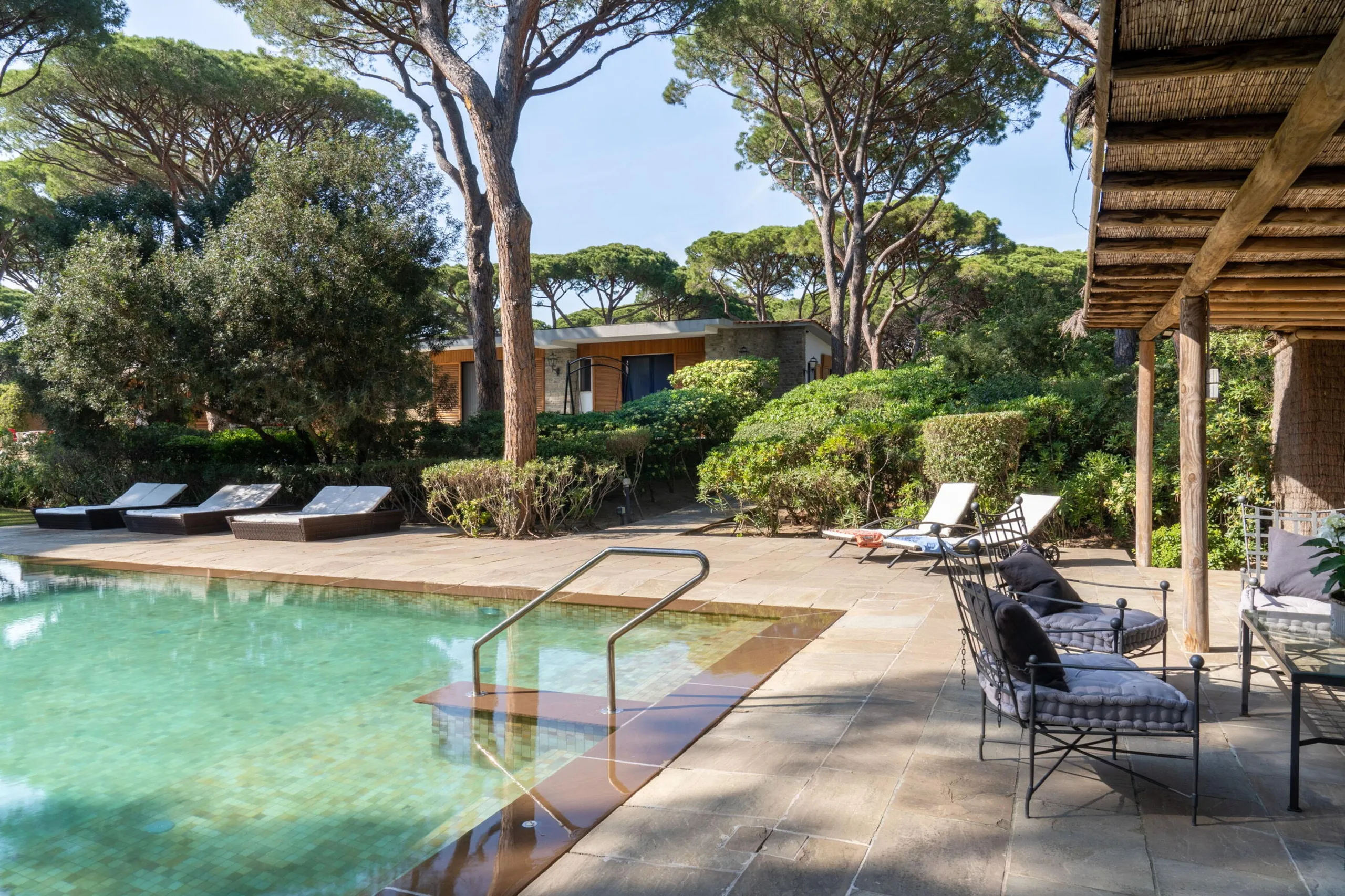
Roccamare · 7 bedrooms · 14 guests
From $2,691.07 / night
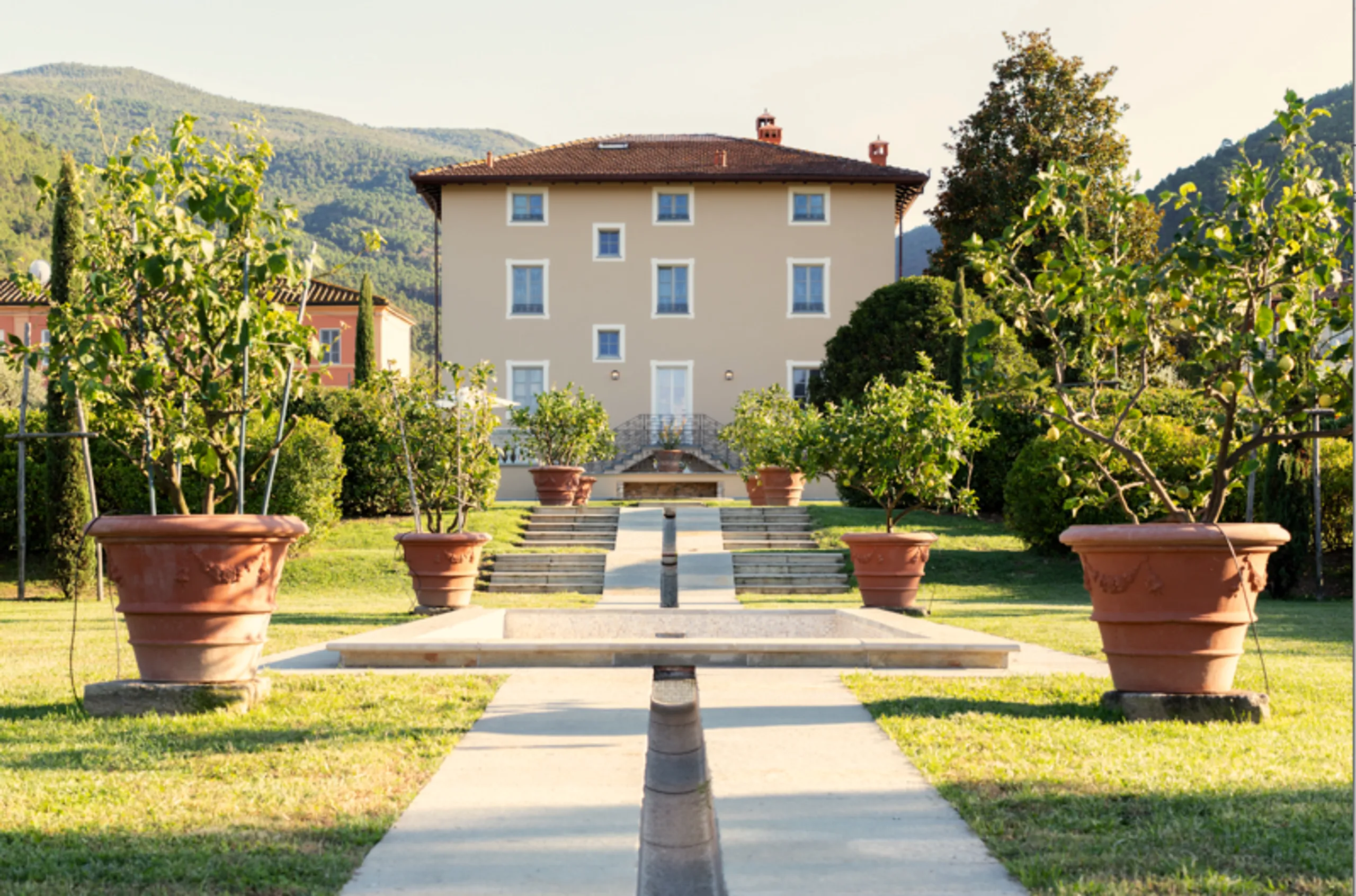
Tuscany · 9 bedrooms · 18 guests
From $2,205 / night
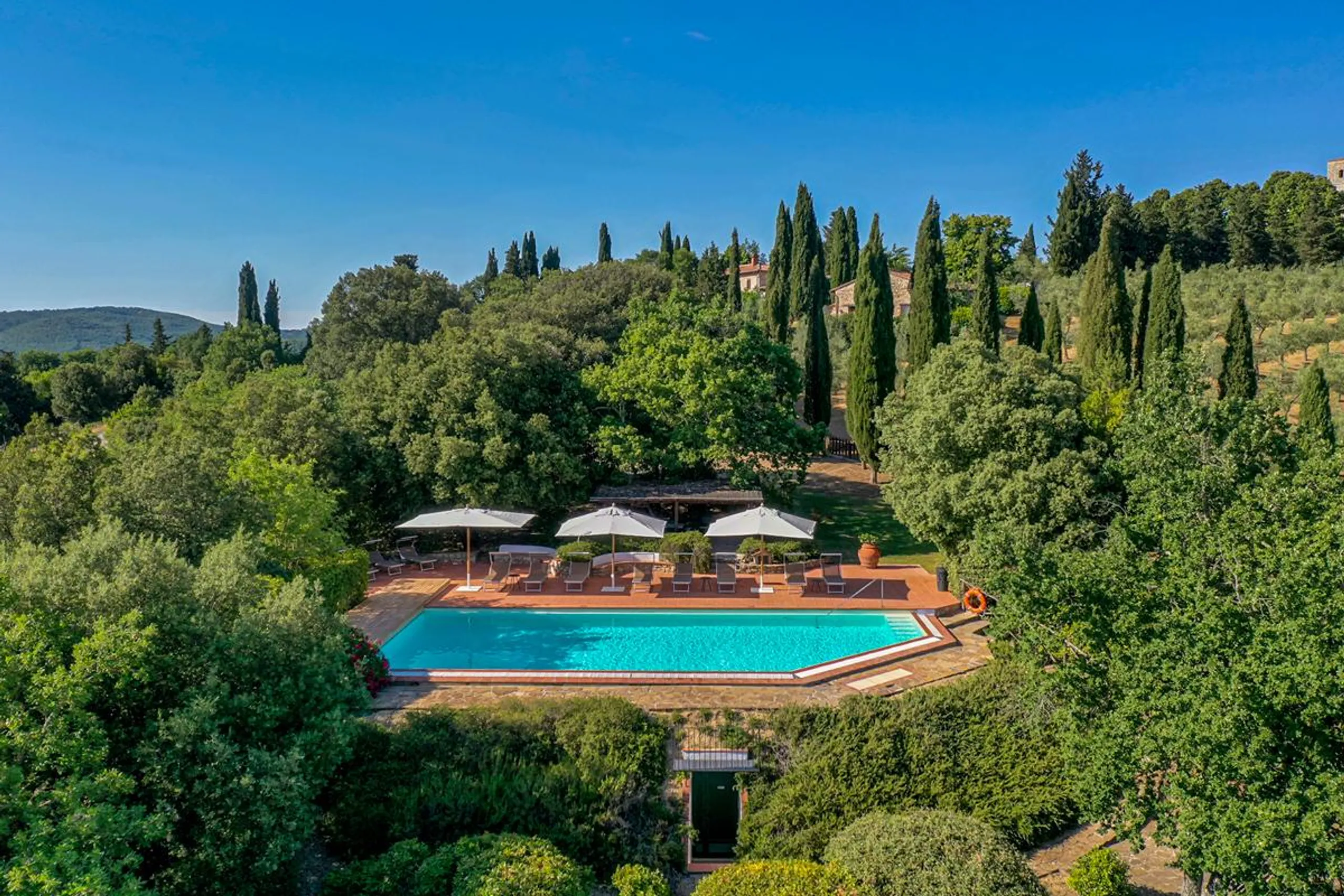
Radda in Chianti · 9 bedrooms · 22 guests
From $2,183.93 / night
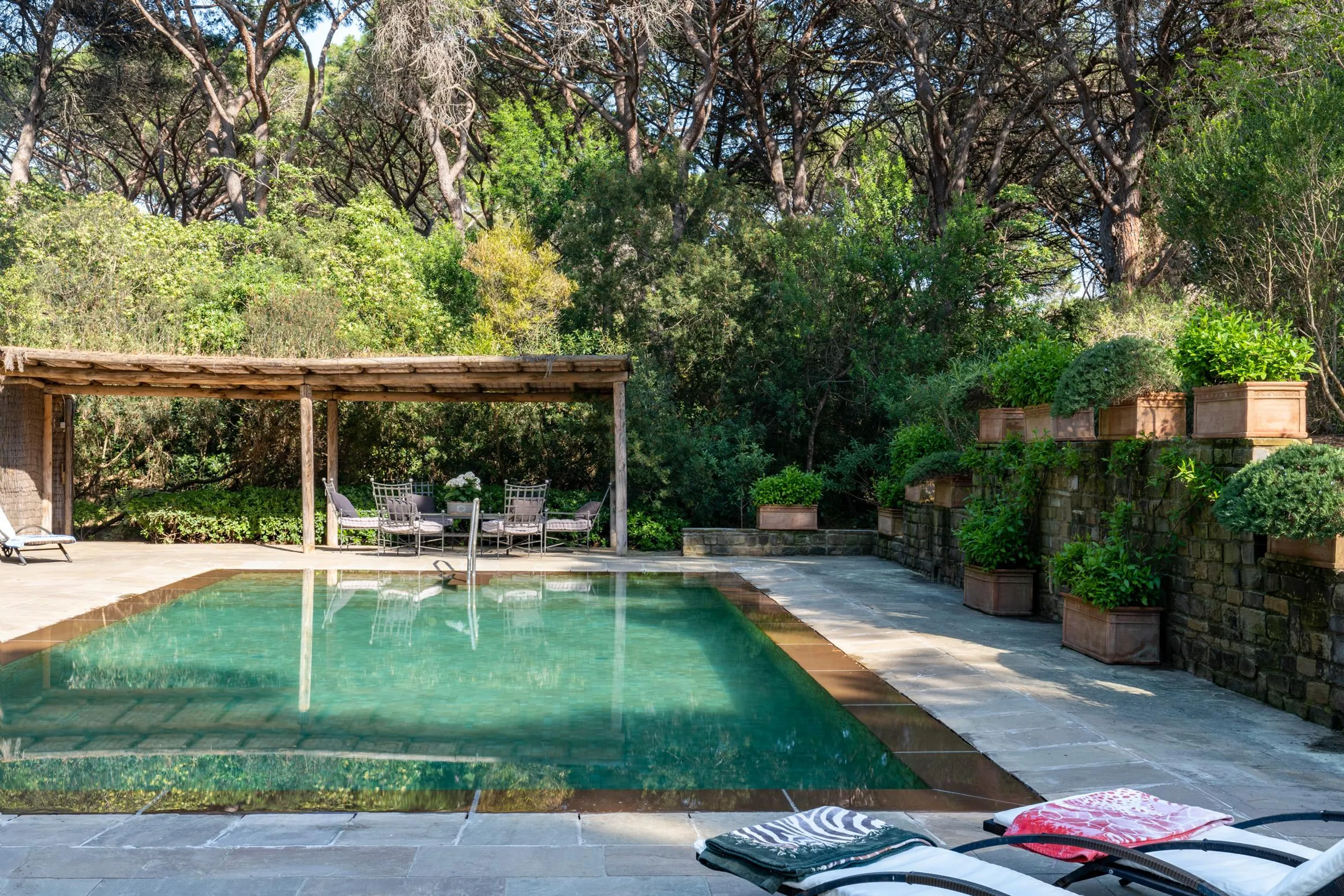
Roccamare · 7 bedrooms · 13 guests
From $2,174.09 / night
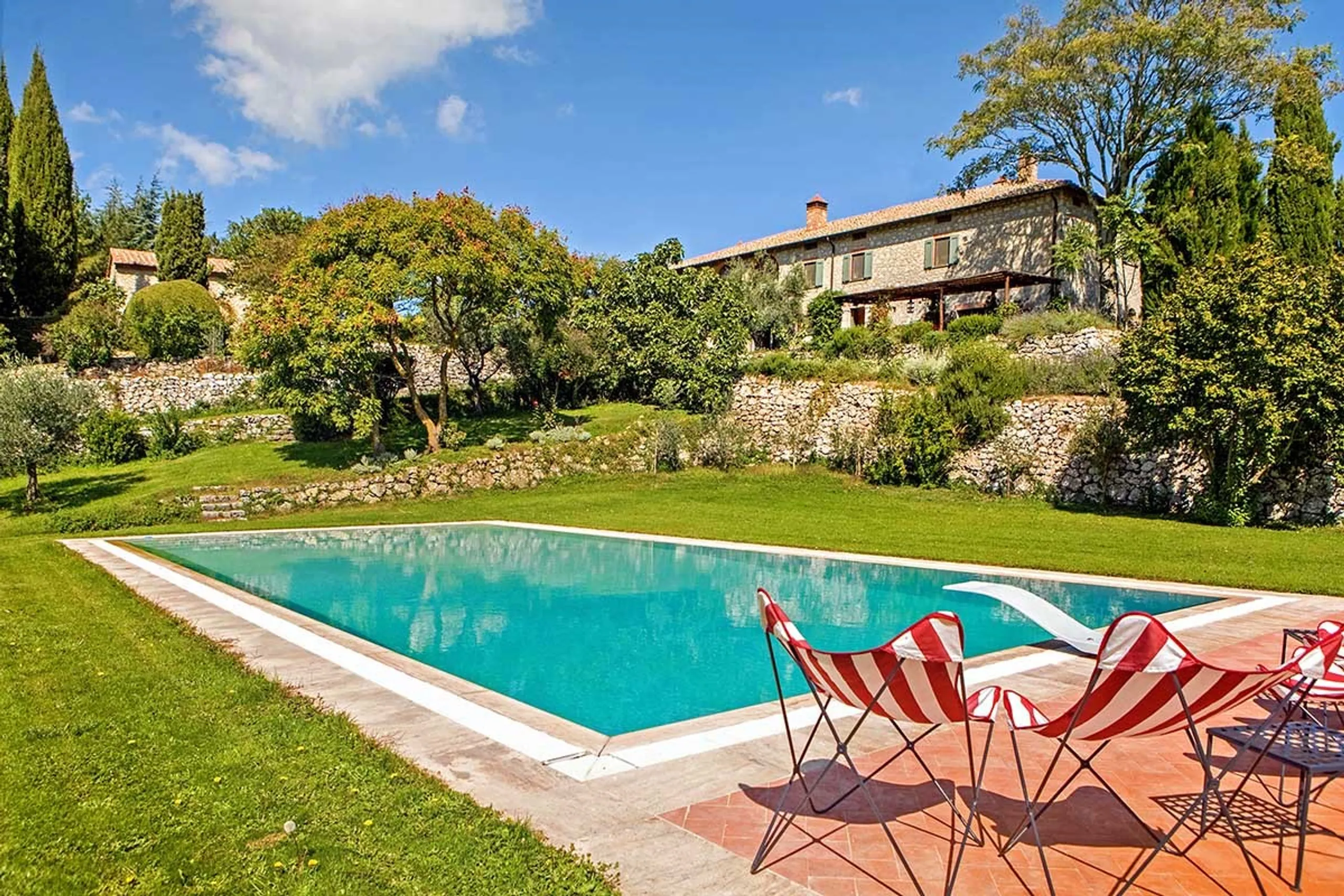
Sarteano · 6 bedrooms · 12 guests
From $1,954.05 / night
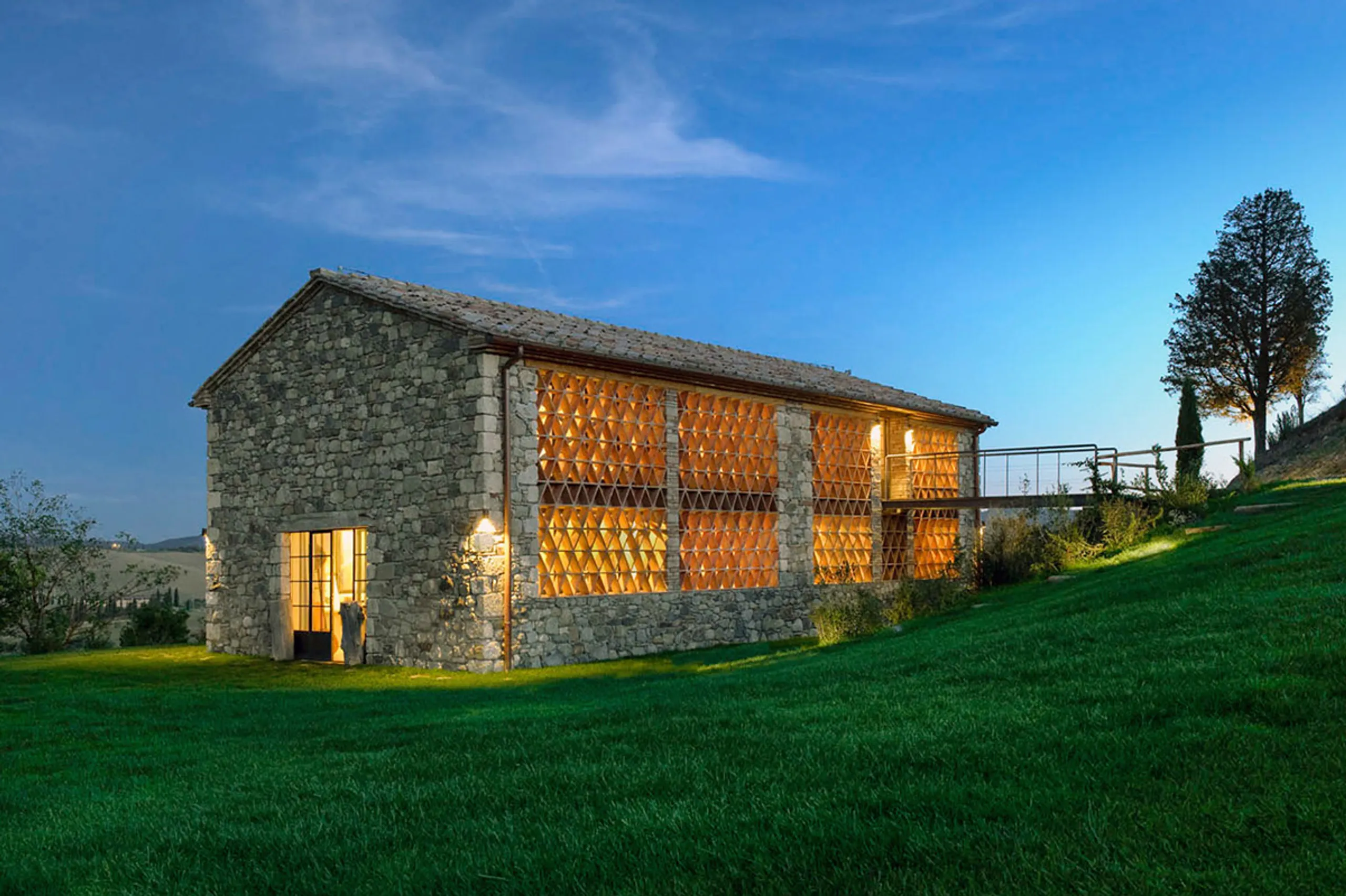
Sarteano · 9 bedrooms · 18 guests
From $1,789.63 / night
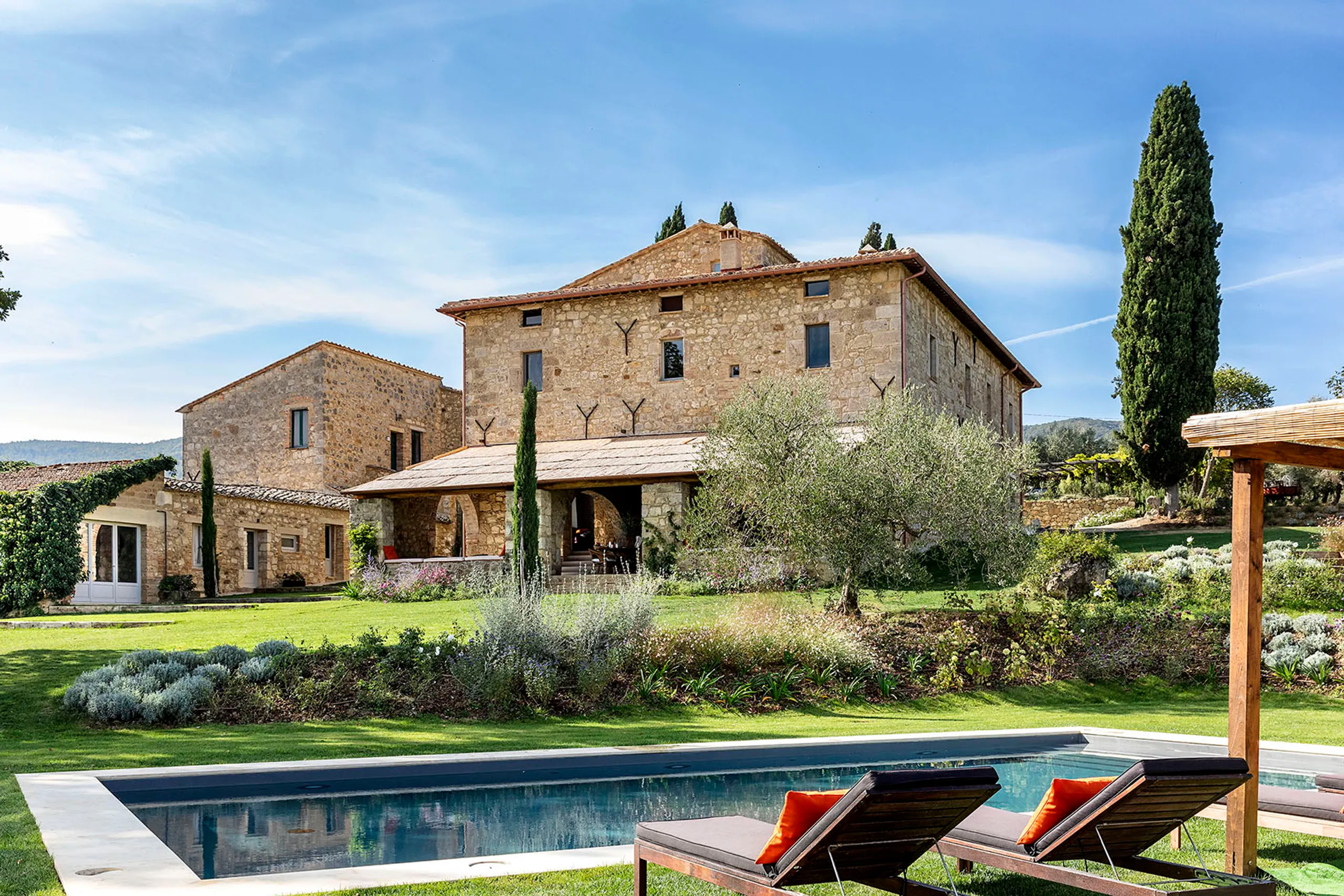
Siena · 7 bedrooms · 14 guests
From $1,786.33 / night
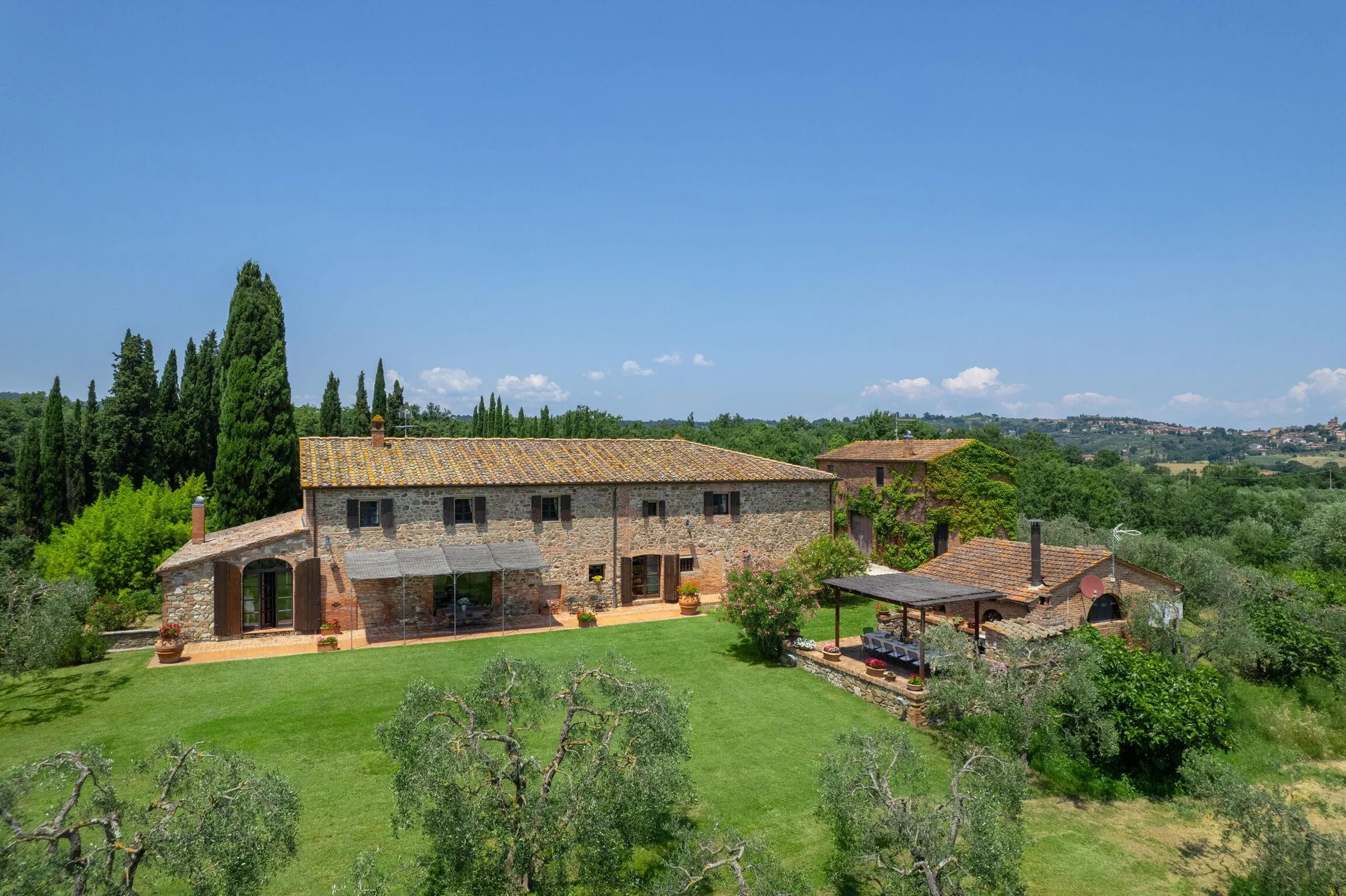
Sinalunga · 6 bedrooms · 16 guests
From $1,704.52 / night
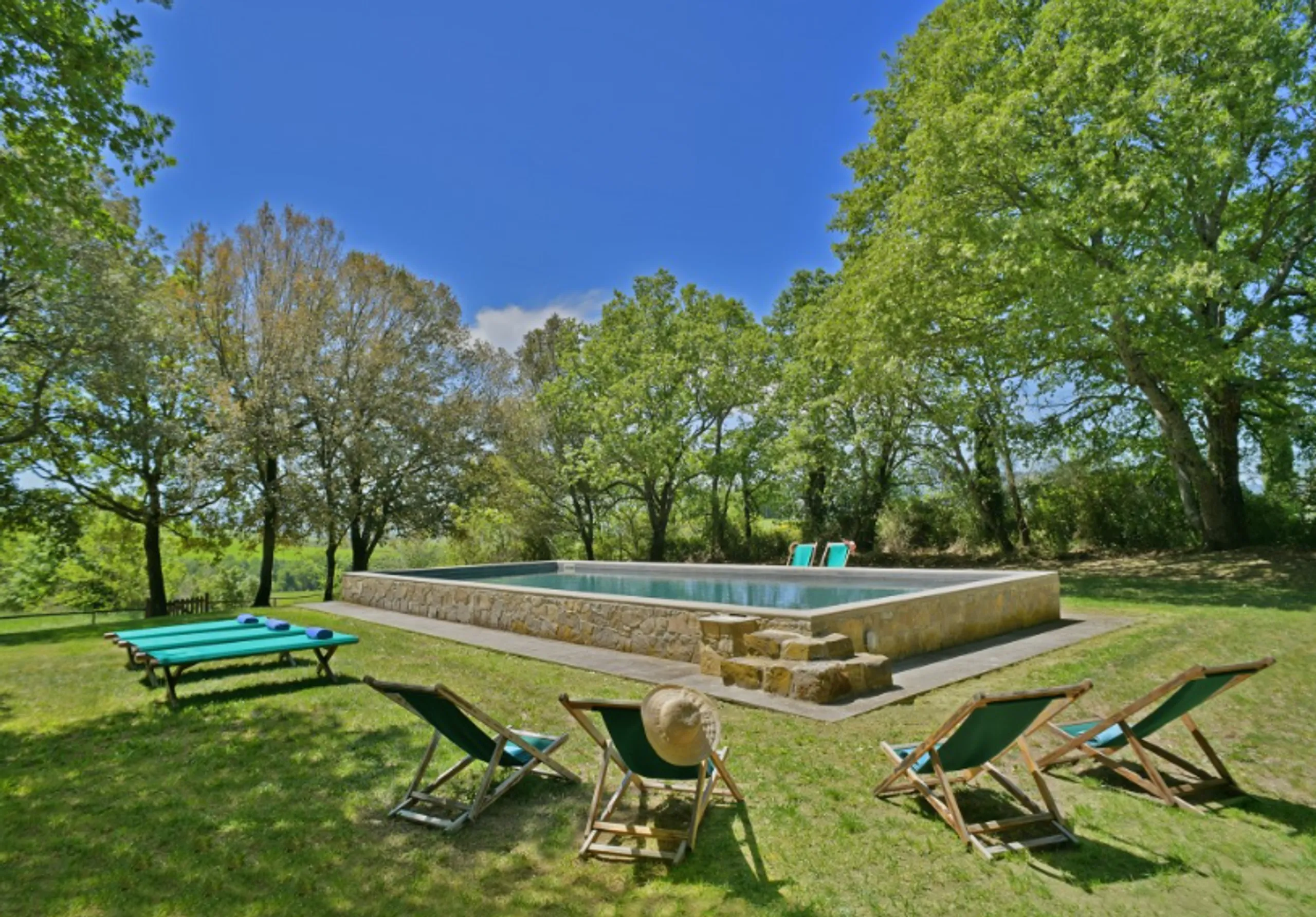
Tuscany · 7 bedrooms · 14 guests
From $1,521.2 / night
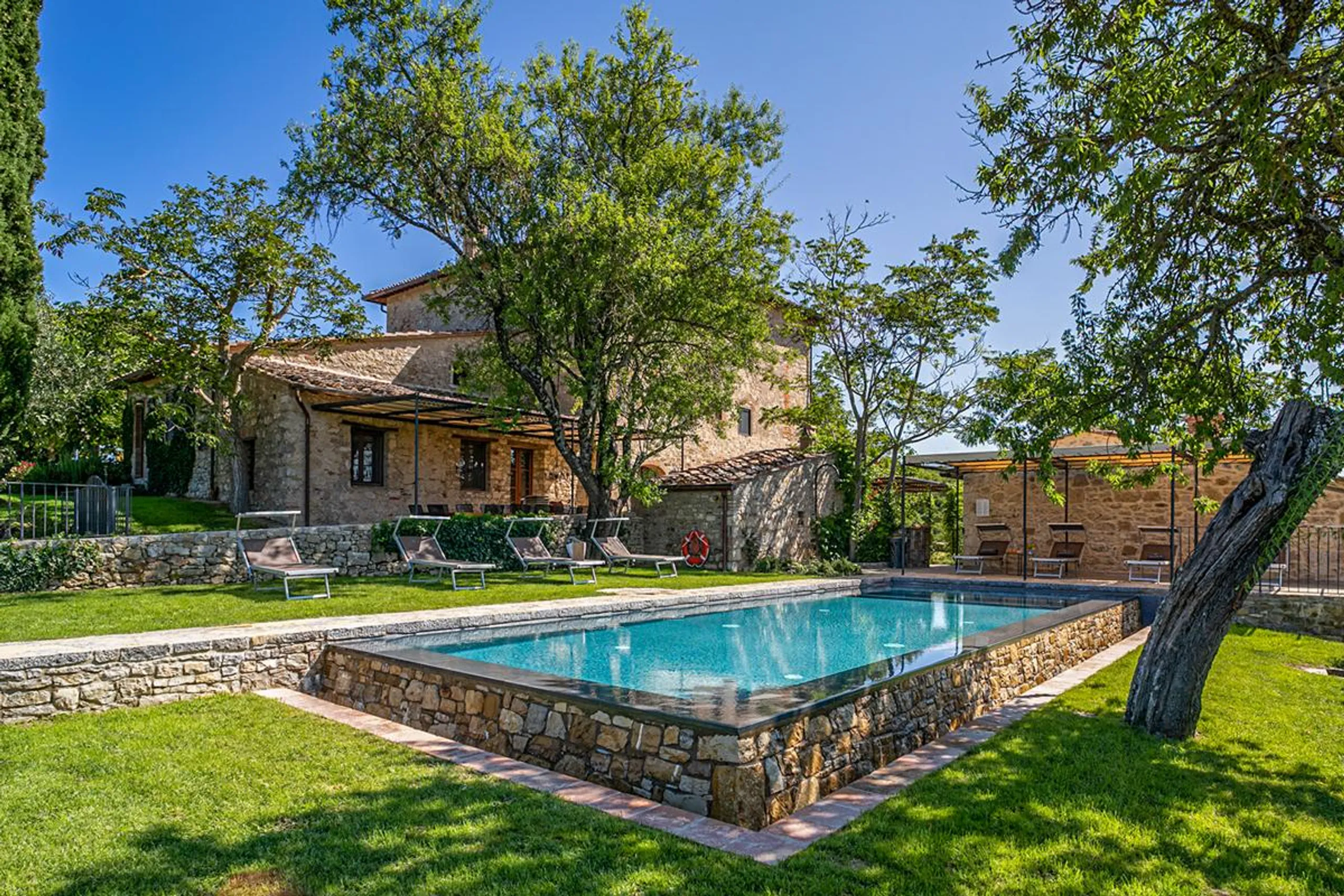
Radda in Chianti · 7 bedrooms · 14 guests
From $1,454.42 / night
This collection lists 21 villas as of 2026-09-14. Country and regional pages include homes in their linked local areas. These are catalog counts, not date-specific availability.
Listed starting rates in this collection begin at $1,234 USD per night. Luxe Retreats features villas with starting rates of at least $1,200 USD. Request a written proposal for your dates, including taxes, fees, and services.
Open individual villa pages to compare photographs, bedroom counts, guest capacity, and listed amenities. Use the planning guides to identify questions about room access, meals, and transport. Share the shortlisted references with your inquiry.
A listed home is not a confirmation of availability. The team must check your dates and the applicable booking terms. An inquiry does not take payment or hold a property.
Describe your preferred meals and experiences in your stay brief. Inclusions and provider availability vary by villa and date. Ask for a written scope and price before treating a service as confirmed.
The villas shown here are a sampling of our collection. Many homes are offered as private or pocket listings. Send an inquiry with your destination, dates and preferences to request additional options by email; availability is confirmed individually.
Compare your shortlist · Understand starting rates · Send a stay inquiry
These collections span multiple destinations. Use the villa’s location to keep your shortlist in your preferred area.
Explore the Tuscany destination guide for local areas, experiences and practical planning.
The public collection is a sampling. Additional private and pocket listings can be shared by email after your Tuscany inquiry, subject to availability.
Find your Tuscany through Florence, Chianti, Val d’Orcia, Lucca and the coast, with a thoughtful villa itinerary, local food and practical details.
A Tuscan villa gives the region a different scale. Instead of arriving in each town with a suitcase, you return to the same terrace, learn the road through the olives and begin to recognise the hour when the garden falls into shade. There is still room for Florence and Siena, for wine country and a beautiful lunch, but the house supplies continuity. The most satisfying stay begins by deciding which Tuscany belongs outside your door. Explore our Tuscany retreats with that question in mind: do you picture the close folds of Chianti, the broad horizons around Pienza, the gardens near Lucca or a coastal house where the sea shapes the day? This guide follows those possibilities into a holiday that feels personal, comfortable and rooted in its surroundings.
The urge to see everything is understandable in a region with so many familiar names. Yet a villa stay becomes more distinctive when you narrow the circle. Choose a town you would enjoy visiting twice, a landscape you want to wake up to and a few experiences that matter enough to reserve. The rest can grow from the address. A favourite café discovered on the first morning may become part of the week; a vegetable shop may influence dinner more pleasantly than a menu agreed long before you arrived.
Think about the life you want inside the house as carefully as the places beyond it. A group that loves cooking needs a kitchen and dining arrangement that make preparing a meal sociable. Readers may value several quiet corners; couples travelling together may appreciate bedrooms with a similar level of comfort. Families often need an easy relationship between the pool, shade and the main living room. These are personal preferences, not secondary details. They determine whether the house feels effortless once the initial excitement of arrival has passed.
A useful planning exercise is to imagine an entirely unbooked day. Where would you have breakfast? Could some guests walk while others remain at home? What would lunch require, and where would everyone gather before dinner? If the answers feel appealing, the villa is supporting the holiday rather than merely housing it. Then add the cultural visits and special meals. Tuscany offers enough interest to fill every hour, but a retreat should also make it comfortable to leave an hour empty and see what you feel like doing.
Chianti is a landscape to inhabit through small journeys. Around Greve, Radda, Castellina and Gaiole, the day can unfold through a village square, an estate appointment and a lunch that lasts longer than expected. Select a house according to the part of this country you most want to explore. The northern and southern reaches produce different practical relationships with Florence and Siena. A place that looks perfectly central on a regional map may still involve winding roads each time you go out.
Here, an attractive itinerary has a loose centre rather than a long list. You might give a morning to a village, reserve a winery visit and leave the afternoon for the pool. On another day, a guided walk or a cooking session can provide an entirely different perspective. Ask local hosts what they enjoy about their own corner of Chianti. Their suggestions can help you choose a place that fits the day’s weather and energy, provided you confirm any booking details directly with the venue concerned.
The villa terrace is especially important to this style of stay. Look for a dining space where the whole party can linger and somewhere sheltered enough for an unhurried breakfast. Shade, comfortable chairs and easy access to the kitchen contribute more to daily pleasure than an impressive photograph alone can show. Our story on a leisurely Chianti lunch and tasting explores how to give wine country enough time. Keep the final appointment early enough that returning to the house still feels like part of the afternoon, not the end of a long commute.
The appeal of the Val d’Orcia is partly its openness. Around Pienza and the surrounding country, the eye travels farther, and a house can feel held within a broad working landscape. This is a persuasive setting for guests who want mornings at home to be an essential part of the trip. Consider how the principal rooms and outdoor spaces face the view, but also ask about exposure, shade and the practical distance to the nearest useful shops. Beauty is easier to enjoy when ordinary needs are simple to meet.
Give Pienza an unhurried place in the week. Walk, browse, stop for something to eat and allow the surrounding countryside to remain part of the experience. Another outing might concentrate on Montalcino, with wine as its subject, while Bagno Vignoni can supply a different local excursion. They need not all be assembled into a single grand circuit. Shorter days allow you to return before everyone is tired and make the house feel like a destination in its own right.
The landscape encourages photography, but approach it as somebody’s home and workplace. Use proper parking places, keep farm entrances clear and admire private avenues from an appropriate public position. A local guide can help you find a walk that offers context as well as views. For a stay here, ask whether a cook can prepare a few evening meals and how provisions can be organised. Service varies by house and should be confirmed. Having dinner settled can make the late afternoon wonderfully open, with no need to hurry toward another reservation.
Lucca lends itself to repetition in the nicest sense. A first visit might involve its broad walls and a relaxed wander through the centre; a second can follow a detail that caught your eye, whether a church, a shop or a place for lunch. The city’s tree-lined fortifications offer a memorable contrast to the streets within. You do not need to turn every visit into a complete historical survey. A house nearby can let the town become a familiar pleasure rather than a single day’s assignment.
Nearby is a word worth examining before you book. Country villas around Lucca can occupy different positions in the hills or on the surrounding plain, and an apparently short distance may not be a pleasant walking route. Ask about the lane, traffic, gradients and how guests ordinarily get into town. If evenings out are important, make the return transport part of the plan. A property with an uncomplicated drive can be preferable to one that promises greater seclusion but makes every spontaneous outing difficult.
For an extended-family stay, this part of Tuscany can offer a flexible pattern. Some guests may enjoy a longer cultural morning while others prefer a short stroll and a café. Meet for lunch, then return together or use separate transport if the group wants different afternoons. The family retreat article considers how to make those choices without assigning one person all the logistics. A successful holiday creates room for different interests while preserving a few shared rituals: breakfast, an afternoon swim and the table at the end of the day.
Approach Florence through an interest rather than a checklist. Perhaps the group wants to understand Renaissance painting, spend time with sculpture or simply experience the city’s streets with an informed local guide. Pick the main encounter and protect time around it. The Uffizi Galleries’ official visitor and ticket pages are the appropriate place to confirm their current arrangements. A timed entry should be the anchor of a sensible day, with a comfortable arrival margin and a lunch that does not require rushing across the city.
Talk to the guide about the people coming. A visit for two devoted art lovers should differ from one for parents, teenagers and grandparents. You can ask for a concentrated selection of works, more opportunities to sit or a route that connects art to stories the group will remember. There is no obligation to exhaust a collection. Finishing while everyone remains engaged often produces a stronger memory than extending a visit to the point of fatigue. Leave room for the city outside the museum as well.
Decide whether Florence belongs within the villa week or beside it. Guests who want several museums and late dinners may prefer a short city stay before heading into the countryside. Others will be satisfied with a single substantial day and a return to the quiet of the house. Neither choice is more complete; they serve different holidays. If you are driving, determine the parking and access plan in advance. If using a driver, agree the pickup point clearly so the day closes calmly, without a search for one another among unfamiliar streets.
Siena merits its own attention rather than being treated as an appendix to Florence. Let its streets lead you gradually toward Piazza del Campo, and consider a guide if the group would enjoy understanding the city beyond its architecture. Decide in advance which interiors you particularly want to visit, then check their official arrangements. A well-paced walk, time in one significant monument and a relaxed meal can create a full day without requiring every attraction to be included.
The city’s slopes and paving deserve a place in the plan. Ask how the route will work for anyone who tires easily and where a driver can realistically meet the group. A beautiful centre may look compact while still demanding more walking than expected. For families, choose a lunch stop that gives everyone a genuine rest rather than treating the meal as a short interruption between appointments. Tell the restaurant the party size and any dietary requirements before arrival, especially if you are travelling during a busy period.
San Gimignano can be another day’s pleasure, particularly when its towered skyline has long been part of your image of Tuscany. It is often better appreciated with room to wander than as the final stop after several hours elsewhere. Let the location of the villa determine whether it fits naturally into your week. The point of a retreat is not to leave with every famous name crossed off. It is to have encountered a few places with enough attention that their character remains distinct when you think back on the journey.
Montepulciano offers a meeting of town life and wine culture, standing between the Valdichiana and Val d’Orcia. Allow for its rising streets when choosing shoes and arranging the visit. A tasting centred on Vino Nobile can give the day a clear local theme, but you can just as easily build an outing around a walk and a good lunch. Ask the host to explain the wines you are trying in relation to their estate and place. The conversation is often more memorable than a sequence of tasting notes.
Cortona invites a similarly attentive approach. Rather than attaching it to an already full cross-country drive, give it a place in an itinerary based on the eastern side of Tuscany. The surrounding area may suit guests whose wider Italian journey comes from that direction, but it should still be selected for what the stay itself offers. Consider the nearest everyday town, the route to food shops and the balance between privacy and convenience. The famous name attached to a listing is only one part of its location.
Arezzo can appeal to travellers who want another cultural city without repeating the Florence programme. Choose the visit around a particular interest and confirm the opening arrangements for anything essential. For every additional town, ask what you would remove from the week to make room. That small discipline keeps an itinerary from expanding without limit. There is real pleasure in deciding that tomorrow’s excursion can wait for another trip, then spending the afternoon in the garden with a book, a conversation or nothing more demanding than choosing dinner.
If your imagined holiday includes saltwater every morning, let that guide the search from the outset. A country house in inland Tuscany and a coastal villa answer different desires, even when a map suggests the sea is reachable. The question is not whether a beach day is possible but whether you want to repeat the journey. Guests who simply want one change of scene can organise an occasional coastal outing; those for whom the sea is central should choose a base accordingly.
The coastline is varied. Versilia suggests one pattern of beach life, the country around Bolgheri another, and southern Maremma another again. Select a particular place and find out how a day there works: access, shade, facilities, reservable beach services and the distance from parking. A beautiful stretch of coast does not automatically supply the arrangements a large family needs. If a long lunch is the principal attraction, make sure the restaurant and transport plans support it. Confirm seasonal operations for your actual dates.
For some travellers, this comparison reveals that an island stay is the better fit. Our Sardinia collection can help you consider a holiday whose centre is the sea, while Sicily retreats offer another balance of coast and cultural exploration. These are separate itineraries, not additions to a single Tuscan afternoon. Clarifying the role of the water makes choosing easier: Tuscany can provide a lovely coastal chapter, but you need not ask one villa to deliver every version of an Italian summer.
A villa looks most persuasive when imagined at its busiest moment. Picture all guests coming in from the pool, preparing for dinner or seeking a quiet place during a rainy afternoon. Are there enough comfortable seats? Does the dining table accommodate the group indoors as well as outside? Can someone rest away from conversation? A house with several distinct living areas may suit a mixed party better than one with a spectacular central room but little retreat beyond the bedrooms.
Discuss bedroom arrangements openly before reserving. Separate entrances can be wonderful for independent adults and awkward for families with young children. A bedroom described as convenient may still involve steps to reach its bathroom or the main terrace. Ask for a plan and clear photographs where necessary. If anyone has specific mobility needs, describe them precisely and request confirmation of the relevant routes through the property. The most considerate selection is one that lets every guest participate comfortably in ordinary daily life.
Outdoor comfort deserves the same scrutiny. Shade at lunchtime, a sheltered dining position and somewhere to sit near the pool can make a substantial difference. Confirm air-conditioning by room, pool operation and heating arrangements, housekeeping schedules and any available cooking service. These features are property-specific, not automatic elements of a Tuscan rental. When you return to the Tuscany villa selection, compare homes against your actual group brief. A beautiful setting becomes a successful retreat when the practical details quietly support the people who will be living there.
Food brings Tuscany into the house with very little ceremony. A morning shop can suggest the evening meal, and a local cook can introduce ingredients in ways that feel natural rather than staged. Decide how involved the group wants to be. Some guests find preparing lunch together one of the pleasures of a villa; others prefer to arrive at a laid table. Both approaches can work, and many parties enjoy a mixture. Confirm what cooking and grocery services the particular house can offer before relying on them.
Start with a practical shop for essentials, then leave space for smaller purchases. Bread, vegetables, cheese and fruit can turn a simple lunch into a reminder of where you are. Ask what is seasonal and how people use it locally. If you arrange a cooking session, agree whether it is hands-on, demonstration-led or primarily a meal with explanation. Tell the cook about dietary needs and the ages of participating children. A suitable format allows everyone to enjoy the experience without feeling obliged to perform skills they do not have.
Do not make every meal an event. A generous lunch out can be followed by something light at home, while a quiet pool day may lead naturally into a more elaborate supper. Keep some flexibility in grocery quantities and avoid buying as if every planned meal will happen exactly on schedule. Restaurant discoveries, changing appetites and spontaneous invitations to linger all affect the week. The villa kitchen is most useful when it creates freedom: breakfast when you want it, food for a late arrival and an easy reason to gather around the table.
The most rewarding tasting often begins with a good question. Ask why a particular site matters to the estate, how the producer approaches a difficult season or which bottle the host would choose with dinner. You do not need specialist vocabulary to be interested. Tell the winery whether your group wants an introduction or a more technical visit, then select an experience that matches. A cellar tour, a vineyard walk and a tasting lunch each create a different kind of day.
Avoid treating the famous wine areas as interchangeable. Chianti, Montalcino and Montepulciano offer different points of focus, and the best choice may be the one that fits the villa’s location. You can learn a great deal through one attentive appointment. If adding a second, leave room for travel, lunch and the possibility that the first conversation runs longer than planned. Arrange a driver for a day centred on wine and clarify the full schedule with the transport provider, including the return to the house.
Remember the guests who are less interested in drinking. They may enjoy architecture, landscape and food, but an entire day of technical tastings might not suit them. Choose a format with the whole group in mind or make the wine excursion optional. The Chianti long-lunch story offers one way to balance an estate visit with an enjoyable meal and an open afternoon. When buying bottles, ask about storage, packing and delivery. Bring the pleasure of the visit back to the villa table without assuming every purchase must become a complicated travel project.
A multigenerational holiday feels more generous when the schedule admits that people enjoy different things. One pair may want to leave early for a museum, another may prefer breakfast in the garden, and children may be perfectly happy with a short outing followed by swimming. Establish a few shared moments rather than requiring everyone to follow every activity. A common lunch or dinner can keep the group connected while allowing the rest of the day to vary. Clear transport arrangements make that freedom practical.
Give the least flexible needs proper attention first. Young children’s meal and rest times, an older guest’s walking comfort and any dietary requirements affect the structure of the day. Once those are understood, the more adaptable guests can choose how to fill the spaces around them. Ask about pool access and supervision needs, bedroom proximity and indoor areas suitable for quiet afternoons. Do not let an attractive view distract from the everyday arrangements that make a family feel relaxed in an unfamiliar house.
Small rituals often become the strongest memories. A child can choose fruit for breakfast, grandparents can select a familiar café in the nearest town, and different households can take turns proposing an evening meal. Our guide to finding a family villa rhythm builds on those ideas with practical ways to divide the week. The person coordinating the trip also needs time off. Share reservations, driving and food decisions rather than allowing the holiday to depend on one guest remaining permanently available as its organiser.
The journey ends at the villa door, not at the airport. When comparing flights into Florence or Pisa, consider the whole arrival sequence: baggage, a rental-car collection or driver meeting, the route to the house and any final country lane. Ask the property team which gateway works best for the particular address and obtain clear directions. If guests arrive separately, share the same written instructions with everyone. A beautiful rural setting can feel confusing on a first approach, especially after dark or a long flight.
Choose the simplest possible first evening. Arrange provisions or a prepared meal if available, with a menu that tolerates changing arrival times. Confirm who will let you in and how to communicate if the flight is delayed. Keep the essential information accessible without depending on a strong mobile signal. For families, a familiar snack and an immediately usable bedroom can be more important than an elaborate welcome. Let the first hours be about finding your way through the house and understanding its routines.
The following morning need not begin with a major excursion. A visit to the nearest town for coffee and groceries allows everyone to orient themselves while still feeling that the holiday has started. Return early enough to enjoy the outdoor spaces, unpack properly and make a few plans together. An easy beginning often improves the entire week: you learn what the group needs before committing it to long days, and the villa becomes familiar before you begin leaving it for more ambitious adventures.
Country driving is part of many Tuscan stays, so build the holiday around journeys you are happy to make. Ask about the final approach to the house, the suitability of your vehicle and where deliveries or a larger transfer vehicle can stop. Roads that appear short on a map can take time, particularly when you are unfamiliar with them. Give navigation the exact property entrance rather than only a general locality, and use the instructions provided by the host when they clarify the final stretch.
For historic centres, choose the parking or driver drop-off arrangement before leaving home. Follow current local access guidance and signs rather than assuming a navigation route grants permission to enter every street. If dinner is the main purpose of an outing, reserve the return journey too. A rural taxi should not be treated as an on-demand certainty. Guests planning repeated restaurant evenings may prefer a less secluded house with a simpler route to town. Convenience can be a form of luxury when it gives the evening a relaxed ending.
Coordinate the group without overcomplicating it. One shared note with the address, contacts, reservations and meeting points may be enough. Make sure different drivers know who is travelling with them and which plans are optional. If someone wants to remain at the villa, check that they have what they need for lunch and that the house access arrangements are clear. Thoughtful logistics fade into the background. Their purpose is to free attention for the landscape, the conversation and the pleasure of deciding what to do next.
A walk can change how you understand the country around your villa. Instead of seeing a sequence of views through the car window, you begin to notice the texture of walls, the gradients and the relationship between fields and settlements. Ask for an established route that suits the group and the conditions. Do not assume that every inviting track is public or that a distant village is comfortably reachable on foot. A local guide can help connect the scenery to the people and work that shape it.
Choose the time of day with care. In warmer periods, a morning outing followed by a long lunch or an afternoon at the house may be more appealing than a demanding midday walk. Carry what you need and agree on a turnaround point before enthusiasm extends the route beyond the least experienced walker’s comfort. If photographs are part of the pleasure, leave time for them without stepping into fields or blocking farm access. A thoughtful pace lets the landscape feel lived in rather than used as a backdrop.
Cycling can offer another perspective, but discuss terrain and experience honestly with the rental operator or guide. Electric assistance helps on climbs without making every road appropriate for every rider. Ask about the route, traffic, support, equipment and storage at the house. For a mixed party, a short guided ride can be more enjoyable than an ambitious independent circuit. Keep a weather alternative available. An indoor cooking session or a town morning can preserve the day’s sense of discovery when outdoor conditions are less inviting.
The season should follow the holiday you imagine. If long pool afternoons are central, focus on the house’s summer living spaces and shade. If walking, galleries and restaurant evenings matter more, consider the appeal of a stay outside the busiest summer period. Weather remains variable, and the hills and coast do not behave identically. Choose a property you would enjoy indoors as well as outside. A welcoming sitting room and a comfortable dining area are reassuring when the day unfolds differently from the forecast.
In spring or autumn, ask direct questions about the pool calendar and heating, both in the water and inside the house. Confirm what is included and whether advance notice is required. Check that any particular restaurant or experience you are counting on will operate during your dates. Quiet seasons can offer a lovely atmosphere, but they may call for a more deliberate food and activity plan. This is especially relevant for a remote house where an unexpected closure cannot be solved with a short walk to another option.
Wine and olive-related interests can give an autumn visit a theme, yet harvest is first a working reality. Enquire about the actual visitor experience offered rather than imagining unrestricted participation. Local celebrations can also shape a stay, bringing energy to a town while changing access or reservation needs. Verify the event dates through official local information. The most satisfying choice is a season whose ordinary rhythm you welcome, not simply a date selected because a photograph showed the countryside at one unusually beautiful moment.
Let the first two days establish a relationship with the place. Arrival can be devoted to settling in and supper, followed by a local morning and an afternoon at the villa. Use that time to understand how the group naturally gathers and separates. Perhaps breakfast stretches late, or a few guests love an early walk while others sleep. Allow the schedule to reflect those preferences rather than insisting that everyone adapt immediately to a programme designed before the journey.
Place a substantial cultural visit on the next suitable day, then follow it with an easier one. A Florence encounter, Siena walk or other main excursion asks for energy; the following day might centre on cooking, a nearby village or no departure at all. Later in the week, introduce a wine appointment or a carefully chosen coastal outing if the location supports it. Reserve the experiences that need certainty while keeping some afternoons available. A planned holiday can still contain genuine choices.
Give the final full day permission to be simple. Return to a favourite shop, take the walk you postponed or remain at home and enjoy knowing the house. A final dinner can be celebratory without being complicated: the right company, a thoughtful meal and no urgent departure afterward. Confirm checkout and airport arrangements before the evening begins. This rhythm works because it alternates attention and rest. It gives the famous places their due while allowing the villa, and the people sharing it, to become the real centre of the trip.
A birthday, anniversary or reunion can be the reason for a villa stay, but distinguish an intimate household celebration from an event involving additional guests or suppliers. Discuss the plan with the property team before booking and obtain agreement on what is permitted. A house suitable for a family dinner may have different conditions for amplified music, external catering or a larger gathering. Clear expectations let you plan confidently and avoid asking the property to support an occasion it was not intended to host.
For a private dinner, begin with the atmosphere you want. A long table outdoors, a menu based on the season and a comfortable place for drinks may be enough. Ask what equipment, staffing and weather backup are available, then decide which details actually matter. If several generations are attending, consider the timing, seating and route between the bedrooms and dining area. The celebration should feel welcoming to the people present rather than organised solely around its photographs.
Allow the day around the occasion to remain light. Guests who have spent hours sightseeing may not appreciate another tightly scheduled performance in the evening. A local morning and a relaxed afternoon can leave everyone ready to enjoy the meal. Agree who is coordinating with the cook or supplier so the person being celebrated is free to participate. The villa’s advantage is intimacy: familiar faces, space to linger and the possibility of continuing a conversation long after dessert without needing to relocate the entire party.
Tuscany pairs well with another region when each chapter has a distinct reason to exist. You might want the countryside followed by a stay beside the water, or city art before a week of outdoor living. Browse Lake Como retreats or the Amalfi Coast collection as separate possibilities, then examine the transfer honestly. A change of region deserves its own travel time, especially with children, luggage and guests arriving from different places. Do not squeeze the journey between two elaborate days.
A longer stay does not have to mean more addresses. Extending time in one Tuscan house can deepen the experience: you can return to a town at another hour, book a second guide with a different interest or simply stop feeling that every morning must justify itself. If part of the party leaves earlier, organise that departure so the remaining guests can continue their holiday easily. Practical continuity is one of the understated benefits of a villa, and it is worth preserving.
Use our destinations collection to compare the character of different stays, then decide what Tuscany should be within the whole journey. It may be the cultural centre, the family gathering place or the quiet interlude after a city. Once that role is clear, the choices become easier. Select a house with the right daily comforts, make a handful of thoughtful reservations and leave enough space to notice where you are. The finest memories often arise from the part of the day you did not attempt to fill.
A villa gives you a consistent home base and the option to alternate excursions with ordinary country life. Choose an area you want to know well, then build a few focused visits around time at the house.
Chianti suits wine country and a mix of city excursions; Val d’Orcia offers expansive landscapes and southern hill towns; the Lucca area can support repeated town visits and flexible family days. The exact property location remains decisive.
Ask about the particular villa, your dates and the service format. Availability, menus, staffing and charges vary. Confirm dietary requirements and arrival timing before relying on a prepared first-night meal.
It can be, with a carefully chosen house and a flexible schedule. Check bedroom access, bathrooms, steps, pool arrangements and transport. Plan shared meals while allowing guests to choose different outings.
An occasional beach day can work when the route is reasonable, but daily sea time is a reason to choose a coastal base. Decide how central the water is to your holiday before selecting the villa.
Consult the original sources for current reservations, seasonal access and opening information.
FROM THE MAGAZINE
Explore Tuscany luxury villas, distinctive areas, private dining and thoughtful itineraries in this original LUXE RETREATS Magazine guide.