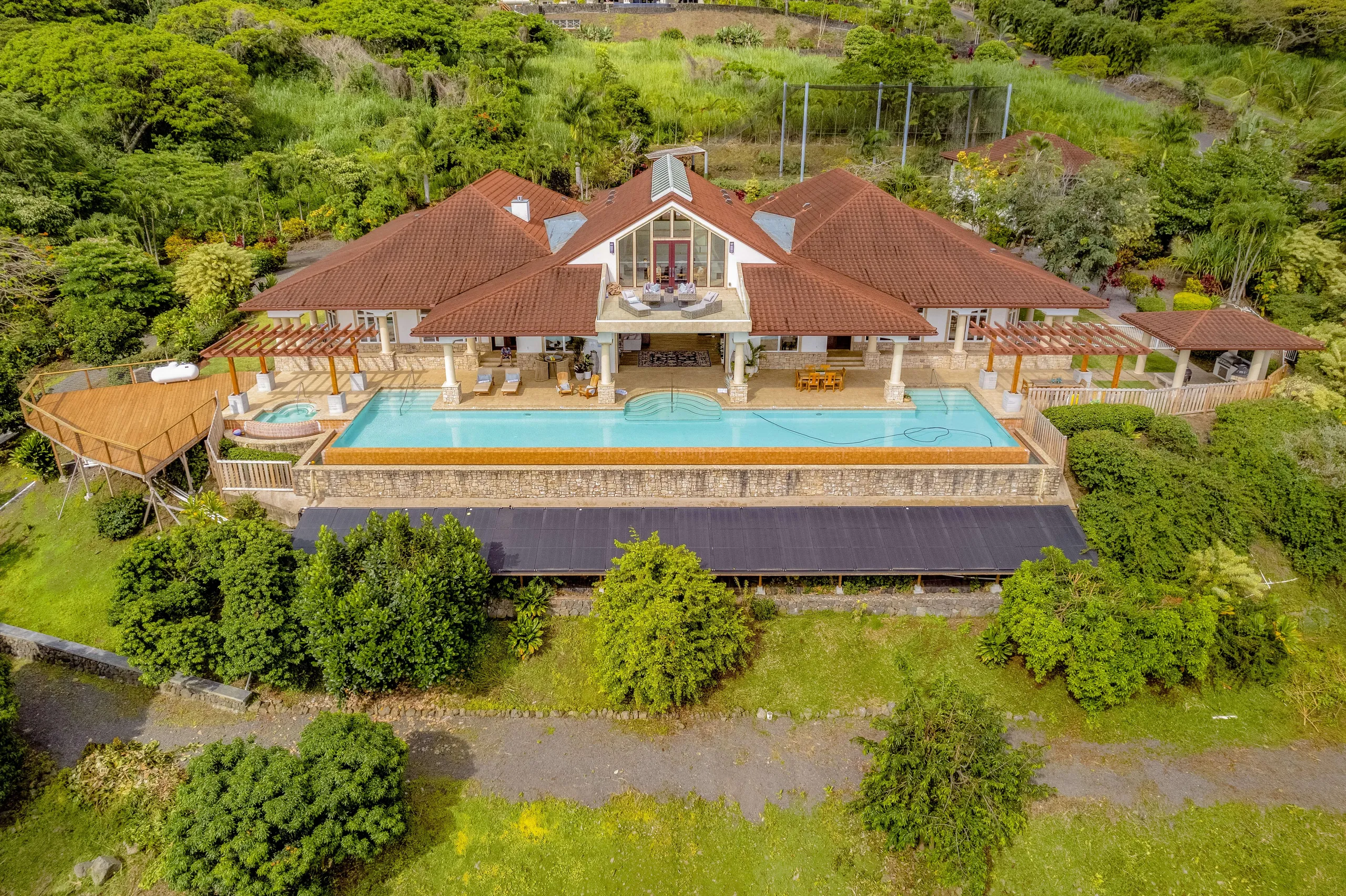
Hawaii Hideaway Estate with Infinity Pool and Panoramic Ocean Views
Kailua Kona · 6 bedrooms · 12 guests
From $3,200 / night
 LUXERETREATS®PRIVATE VILLAS. SHARED MOMENTS.
BEYOND THE PUBLIC COLLECTION
The villas below are just a sampling. Many homes are offered as private or pocket listings. Tell us your dates and what you have in mind, and request a personal selection by email.
Inquire for private listingsExplore the collection. Rates and availability are confirmed for your travel dates.
Kailua Kona · 6 bedrooms · 12 guests
From $3,200 / night
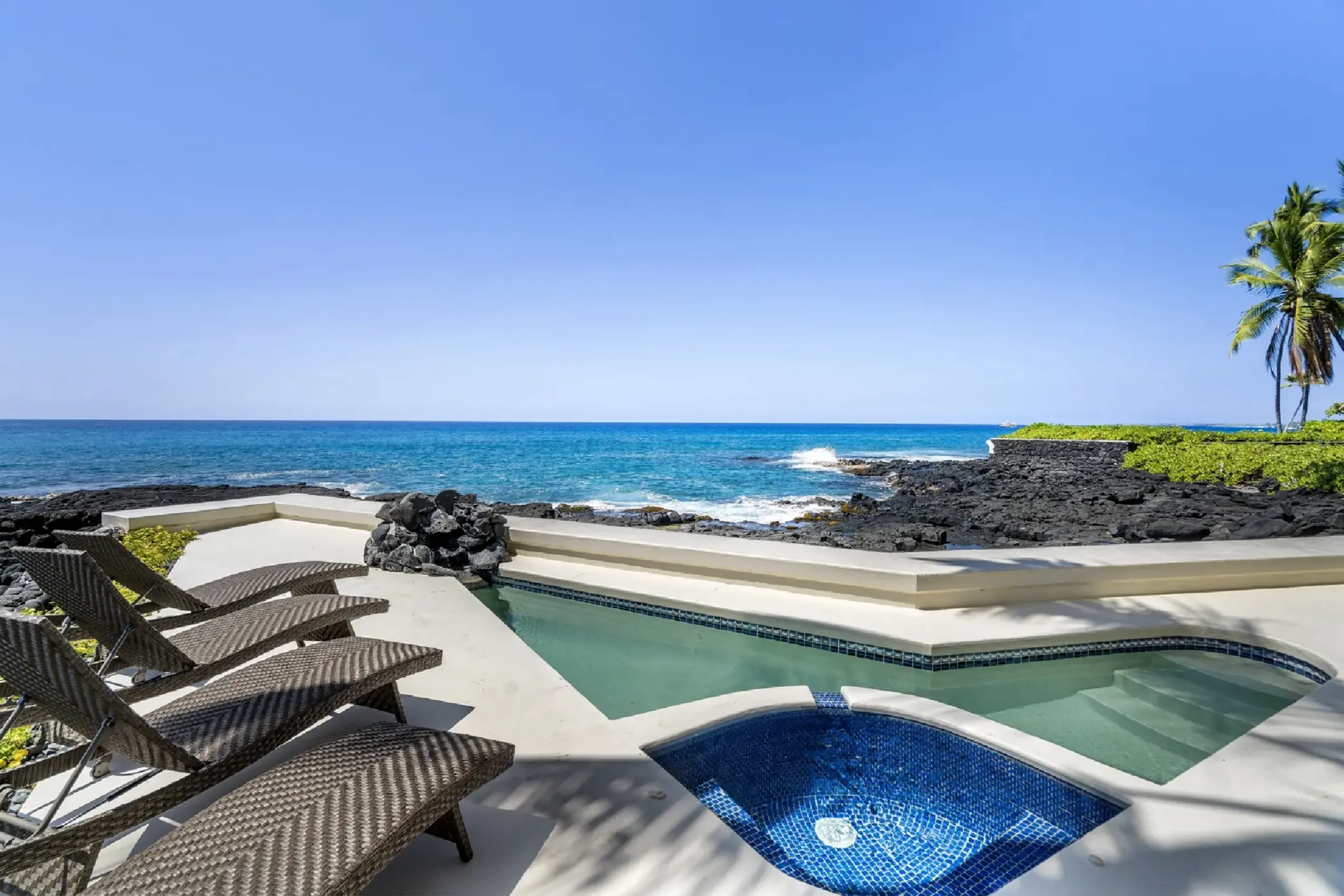
Kailua Kona · 5 bedrooms · 18 guests
From $2,185 / night
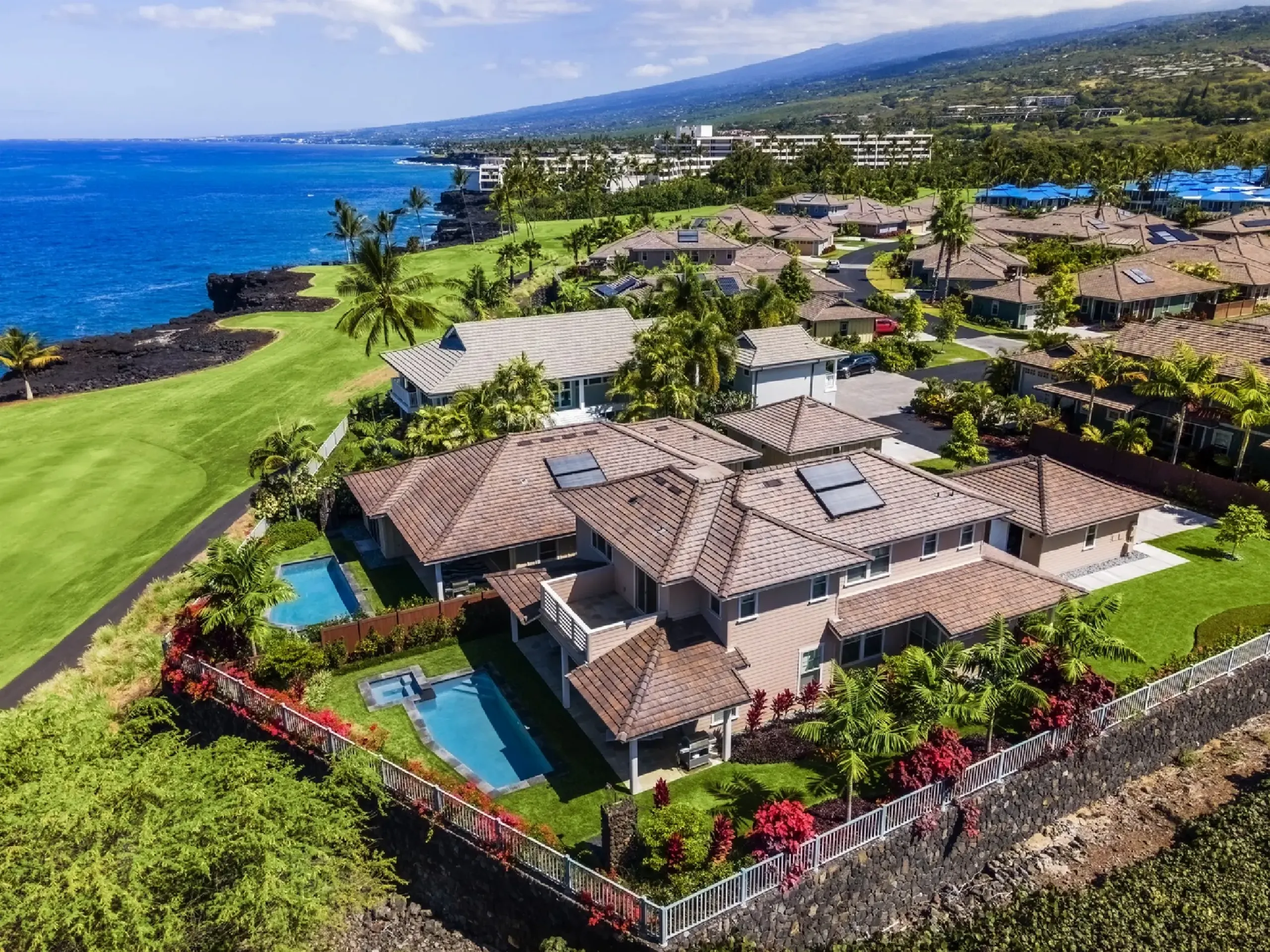
Kailua Kona · 6 bedrooms · 20 guests
From $2,008 / night
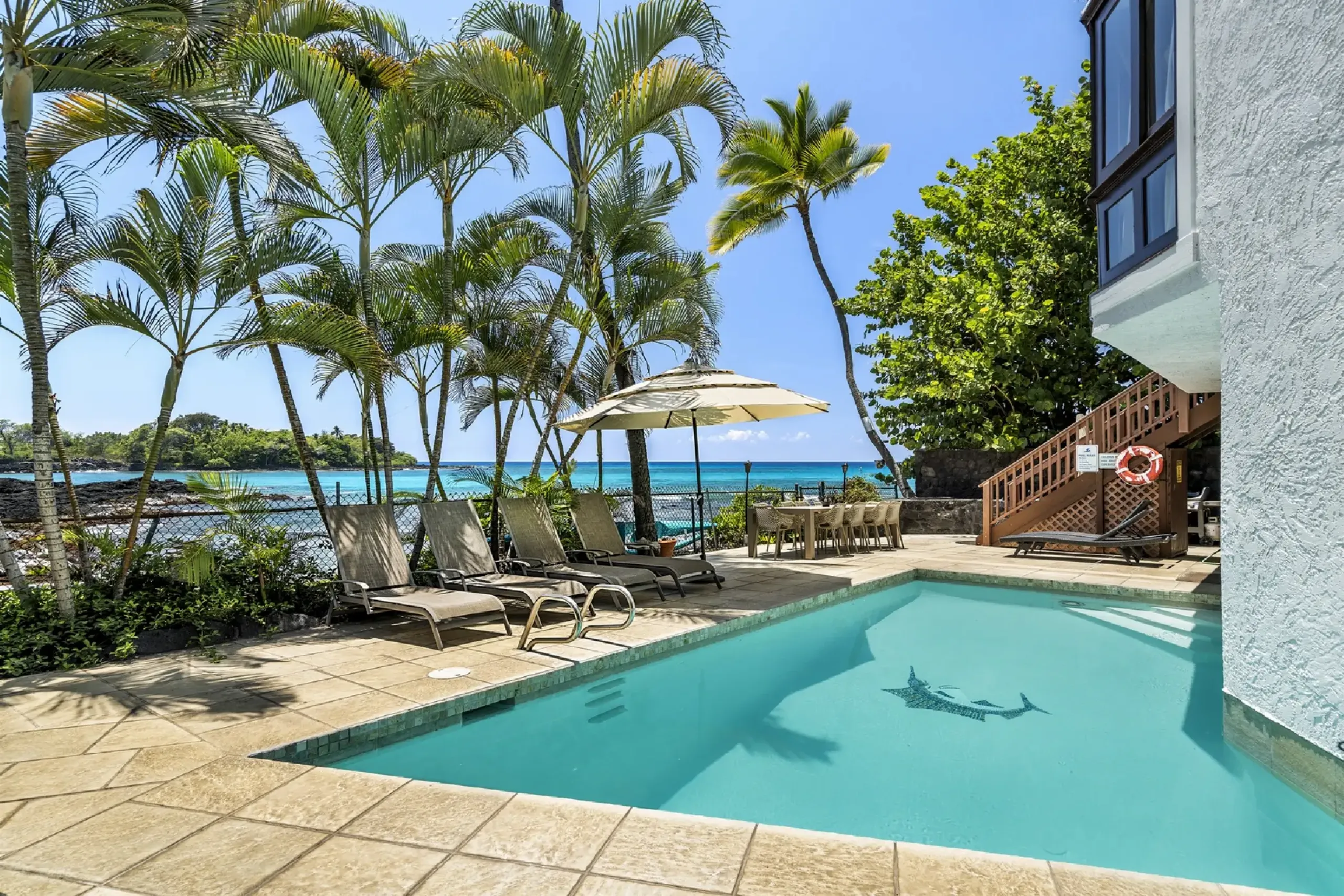
Kailua Kona · 5 bedrooms · 14 guests
From $1,903 / night

Kailua Kona · 3 bedrooms · 10 guests
From $1,465 / night
This collection lists 5 villas as of 2026-09-14. Country and regional pages include homes in their linked local areas. These are catalog counts, not date-specific availability.
Listed starting rates in this collection begin at $1,465 USD per night. Luxe Retreats features villas with starting rates of at least $1,200 USD. Request a written proposal for your dates, including taxes, fees, and services.
Open individual villa pages to compare photographs, bedroom counts, guest capacity, and listed amenities. Use the planning guides to identify questions about room access, meals, and transport. Share the shortlisted references with your inquiry.
A listed home is not a confirmation of availability. The team must check your dates and the applicable booking terms. An inquiry does not take payment or hold a property.
Describe your preferred meals and experiences in your stay brief. Inclusions and provider availability vary by villa and date. Ask for a written scope and price before treating a service as confirmed.
The villas shown here are a sampling of our collection. Many homes are offered as private or pocket listings. Send an inquiry with your destination, dates and preferences to request additional options by email; availability is confirmed individually.
Compare your shortlist · Understand starting rates · Send a stay inquiry
These collections span multiple destinations. Use the villa’s location to keep your shortlist in your preferred area.
Explore the Big Island destination guide for local areas, experiences and practical planning.
The public collection is a sampling. Additional private and pocket listings can be shared by email after your Big Island inquiry, subject to availability.
A detailed Big Island villa guide to Kona and Kohala, with local dining, coffee, Hawaiian cultural sites and thoughtful eastern-island extensions.
A private stay on the island of Hawaiʻi is most rewarding when the itinerary gives its contrasts room to breathe. Choose a coast for the daily pleasures of the villa, then explore coffee country, upland dining and important cultural landscapes through a few carefully placed outings. The island is expansive enough that leaving something for another visit can make this one better.
Big Island luxury villa rentals work best when the itinerary respects the scale of the island of Hawaiʻi. A home on the Kona coast, a villa in the Kohala area and a base near Hilo support different days. The island’s appeal lies partly in those contrasts: lava fields and gardens, seaside towns and upland agriculture, beaches and landscapes still being shaped by volcanic activity. Trying to make every place an easy outing from one house diminishes that richness.
Begin with your principal rhythm. If most days should involve a pool, coastal walks and selected dinners, a western base makes sense. If the volcano region and eastern gardens are central, consider how much time you want to spend on that side. A longer trip can justify two bases. A shorter trip usually improves when one region is chosen deliberately and the most distant possibilities remain optional.
Kailua-Kona provides a useful social and historical centre for a western stay. Its waterfront is more than a place to eat between excursions. Huliheʻe Palace, Mokuʻaikaua Church and nearby historical sites give the town a cultural dimension that deserves attention. The official Kona regional guide places these landmarks within the larger district.
Spend time walking the town rather than using it only as a collection of restaurant addresses. The relationship between the water, the streets and the historical buildings helps explain Kona as an inhabited place. Choose a manageable outing with time to sit, especially when heat makes a longer walk less appealing.
A villa near town can give the group access to that everyday life, while a home farther along the coast may emphasise retreat. Decide which relationship you want. The ability to return for a casual meal or a short waterfront visit has real value if it will be used several times during the week.
Keauhou introduces another coastal focus south of Kailua-Kona. A stay here can combine a residential or resort-area setting with selected outings into South Kona. It should be evaluated as a particular location, not simply a slightly different label for the town centre. The actual route to beaches, shops and restaurants will determine how the household uses the area.
For travellers interested in water activities, book through reputable local operators and discuss ability and current conditions. The appeal of a manta-ray excursion or a snorkelling trip does not remove the need for a suitable operator and an honest assessment of comfort in the water. A boat outing should fit the group rather than become a compulsory highlight.
Keauhou also encourages a more focused southern itinerary. One day can explore cultural sites, another coffee country, while the intervening hours remain at home. That is often more satisfying than alternating long drives north and south because each excursion appeared separately on a list of things to do.
Kaloko-Honokōhau National Historical Park offers a valuable introduction to Hawaiian life along the Kona coast. The park’s fishponds and cultural landscape make the shore legible as a place of knowledge and resource management, rather than simply scenery. Use National Park Service interpretation to understand what is being seen.
This is a good outing for travellers who want historical context without treating culture as something confined to an indoor museum. Walk attentively, remain on appropriate routes and give wildlife space. The landscape’s significance is easier to appreciate when the visit is not rushed between a shopping stop and a boat departure.
For a villa guest, the park can change the way the coastline outside the house is understood. Water, lava and coastal vegetation become part of a longer story of inhabiting the island. That perspective adds depth to the quieter days as well as the sightseeing days, which is one reason to place a cultural visit early in the week.
Puʻuhonua o Hōnaunau National Historical Park preserves a place of refuge and associated royal grounds. Its coastal setting is striking, but the significance of the site should lead the visit. Read the interpretation and follow the park’s guidance around sacred and historical features.
A South Kona outing can be built around this one substantial experience, with a meal and a selected additional stop rather than an exhaustive circuit. Give the place time to become more than a photograph of carved figures and palms. The relationship between the refuge, royal grounds and sea deserves attention.
This is also an opportunity to distinguish respectful cultural tourism from simply using a beautiful site as a backdrop. Visitors do not need specialist knowledge before arriving, but they should be willing to learn. A private villa provides the freedom to organise the day at that pace and return without having to meet a tour group’s next departure.
The slopes above the coast introduce an agricultural side to the island. Hōlualoa is a useful point of reference for coffee country and a different atmosphere from the waterfront. Arrange a producer visit according to current availability, or use a local coffee business to begin understanding the product before heading into the growing area.
Kona Coffee and Tea provides a direct connection to a locally based coffee producer and café. Its own information is useful for understanding what it grows and offers. A tasting becomes more interesting when attention goes to origin, processing and the differences in the cup rather than merely acquiring a bag with a familiar regional name.
For a villa stay, coffee is an especially satisfying purchase because it immediately becomes part of the holiday. The next morning’s breakfast can carry a connection to the previous day’s outing. Buy selectively and ask how best to prepare what you have chosen. A modest daily ritual can make the island feel more specific than another ambitious excursion.
The Kohala Coast offers a distinct western setting, with resort areas, coastal homes and access to notable beaches. It suits travellers whose priority is a carefully chosen house, outdoor living and a relatively concentrated coastal routine. The exact location still matters: a view across lava towards the ocean is different from direct access to a beach.
Hāpuna Beach State Recreation Area is an important reference for a sandy beach outing. Consult current state information for access and conditions, including any restrictions affecting adjacent sections. A broad beach can be appealing for walking and time on the sand while the water itself remains unsuitable on a particular day.
The distinction in beachfront or ocean view is particularly relevant here. Decide whether the group wants the sea visible throughout the day, practical beach access or a private pool as the main swimming place. Those are separate preferences. A good shortlist should identify which one each property genuinely supports rather than allowing a scenic photograph to imply all three.
Puʻukoholā Heiau National Historic Site adds an important historical dimension to a Kohala-area stay. The temple and its setting overlooking Pelekane Bay connect the landscape with the history of the Hawaiian Kingdom. The National Park Service provides the interpretation and visitor guidance needed to approach the site thoughtfully.
A visit need not be long to be substantial. Allow time to understand the relationship between the main structure, surrounding features and the coast. This is not a place where climbing closer necessarily improves the experience; respect the boundaries and let interpretation explain what should be observed from the designated route.
Pair the site with a northern coastal outing or a journey towards Waimea rather than adding it to an already overextended day. The island becomes more coherent when cultural places are integrated into their own geography. They should not appear as isolated obligations inserted between beaches simply to make an itinerary seem more balanced.
Waimea changes the register of a Big Island holiday. The upland setting provides a contrast to the coast and a reason to think about the island’s agricultural landscape. It is a rewarding place to include when the group enjoys food, local produce and the experience of moving between different environments within one day.
Merriman’s Waimea is a well-established dining reference here, with a menu and identity connected to island ingredients. Reserve through the restaurant’s current arrangements and let the meal anchor a coherent upland outing. It is a different experience from an oceanfront dinner and should be enjoyed for that difference.
For a villa group, the drive inland can also supply ideas for eating at home. Produce and a few carefully selected ingredients may be more useful than an elaborate set menu planned before arrival. The private-chef villa dining guide helps clarify how a separately arranged chef can translate those preferences into a meal that feels connected to the island.
The Hāmākua Coast and Hilo side of the island provide a strong contrast to the western lava-and-beach image. This is a region to approach through its towns, vegetation and coastal landscape, with enough time to appreciate the change rather than treating it as the scenic return leg of a hurried circle-island drive.
ʻAkaka Falls State Park offers a specific landscape visit near Hilo. Follow current access information and stay on the designated route. A waterfall outing does not imply that entering streams or pools is appropriate, and conditions can change with weather.
If eastern experiences are central to the trip, a separate stay may be more satisfying than repeated excursions from a western villa. That choice allows a slower Hilo morning and time for the surrounding area without making every day depend on a long return journey. The Big Island rewards geographical commitment, even when that means leaving some worthwhile places for another visit.
Hawaiʻi Volcanoes National Park deserves a plan based on current National Park Service conditions. Eruptions, closures and air conditions are dynamic. The park should never be sold as a guaranteed lava spectacle, and visitors should not seek unofficial access to improve the view.
The deeper appeal is the evidence of an island still changing. Terrain, vegetation and the scale of volcanic features can make a visit compelling even without visible activity. Use ranger information and interpretation to choose a route that suits the group and the conditions. A limited, attentive visit can be better than an ambitious itinerary made uncomfortable by weather or fatigue.
Decide honestly whether this belongs in a long excursion or an eastern overnight. The answer depends on the villa’s location and the people travelling. The art of doing less applies even to an island with extraordinary variety: allowing one major experience enough time is often more rewarding than arranging several around an unrealistic driving plan.
Brown’s Beach House at Fairmont Orchid offers a coastal dining counterpoint to Waimea, with island-inspired food and an ocean setting. Review the hotel’s current dining information and reserve for your dates. A restaurant booking is a specific dining arrangement and should not be taken to include use of other resort facilities.
The two dining settings also help organise the week geographically. An upland meal can follow a day focused on Waimea, while the coastal restaurant belongs naturally to a Kohala afternoon. Neither requires the entire holiday to orbit a reservation. Choose the evening that fits the route already desired, then leave enough time for the meal to feel unhurried.
Leave other evenings at the villa. A shaded table, a comfortable place to watch the light change and enough room for everyone to gather are central to the reason for choosing a private home. The island’s scale makes these quiet hours especially valuable after an outing. They allow the day to be enjoyed again in conversation rather than immediately replaced by the next appointment.
Enquire about Big Island private villas with your dates, group and preference for Kona, Kohala or a broader island itinerary. Public villas are a sampling; additional private or pocket listings may be shared by email after inquiry, subject to availability. For a different island rhythm, compare Hawaiʻi’s other destinations and Oʻahu as separate stays, choosing contrast because it serves the trip rather than simply adding another flight.
The western luxury-resort landscape contains several distinct communities, not one continuous set of interchangeable privileges. Hualālai, Waikoloa and Mauna Lani can each enter a villa search, but the actual residence and booking determine what is available. Ask which named facilities the guests may use, whether reservations are required and what additional charges apply. A nearby hotel, golf course or beach club should not be allowed to supply amenities by implication. The strongest proposal connects every important benefit to the specific stay.
This matters because different groups use a resort setting differently. Golfers may care about confirmed course access and a convenient departure, while others value a pool terrace and occasional restaurant evenings. A family might want organized activities for some guests and quiet time for others. Identify those priorities before comparing residences. A house with excellent private spaces may need fewer external facilities than the first wishlist suggests, while a group planning daily activities should give verified arrangements much more weight than a broad destination description.
The residence's position within the community deserves equal care. Ask how guests reach the beach, shops or any confirmed facilities, and what happens when the group separates. A view across lava to the sea can be striking without providing the same daily routine as immediate sand access. Neither setting is inherently preferable. The better choice is the one that agrees with the way the travelers want to spend their mornings, afternoons and evenings, allowing the house to feel naturally useful rather than merely impressive.
Four Seasons Resort Hualālai's current dining collection includes ʻULU, NOIO, Miller & Lux Hualalai and Beach Tree. These are distinct venues, so begin with the desired meal and atmosphere rather than a general instruction to dine at the resort. Check the current menu and reservation arrangements directly, including outside-guest access when staying in an independent residence. The choice can provide a deliberate change of scene within a villa week, with the restaurant selected to complement rather than duplicate the meals already planned at home.
A mixed-age party may need an earlier table and a menu that accommodates varied appetites. A couple may want a more focused culinary experience. A group returning from a long excursion may prefer another evening entirely. Share those details when asking for a recommendation. The best reservation is the one that fits the people and the day, not simply the one with the strongest reputation. Dining becomes more enjoyable when guests arrive ready to participate rather than tired from an itinerary that has demanded too much before dinner.
Arrange the return journey at the same time as the table. A special meal should not leave one person responsible for finding transport while everyone else is enjoying the final course. Keep restaurant access separate from resort pools, sports or beach services unless additional arrangements are explicitly confirmed. The dining experience can be excellent on its own terms. Clear expectations allow the setting, food and company to carry the evening without relying on privileges that were never attached to the reservation.
CanoeHouse at Mauna Lani offers an oceanfront setting and Japanese-inspired cooking, providing another possibility for a Kohala-focused dining plan. Consult its current official information and reserve the occasion you want. If the view is important, ask how the table and timing relate to it rather than assuming any evening booking creates the same experience. The meal should be given enough space to feel unhurried, with the route from the villa considered before other appointments are added around it.
An oceanfront restaurant and an upland meal in Waimea can create an appealing contrast during the same stay. They need not compete for the same place in the itinerary. One belongs to a coastal afternoon, the other can anchor a day that explores a different landscape. This geographical approach makes a dining week feel more coherent and reduces the temptation to drive long distances simply because several attractive names appeared together in an article. The island's variety is best enjoyed when the meals help reveal it.
Leave other evenings at the residence, particularly after a substantial outing. A private chef can shape dinner around the group's timing and appetite, while a simple meal prepared by guests may suit another night. The house should offer a table that everyone wants to remain around. A beautiful view is only part of that pleasure; comfortable seating, lighting and protection from changing weather make the space genuinely usable. The villa's own dining setting can become as memorable as the restaurant chosen before the trip.
Access information was reviewed on October 6, 2026. DLNR's notice dated October 5 reports a partial trail closure at ʻAkaka Falls, closure of the Waialea section at Hāpuna and closure at Lapakahi following fallen trees. It also lists October 10 Kona Ironman-related closures for Kekaha Kai, Kīholo and Lapakahi. These details should be rechecked through the official state park pages before any outing. They describe a current operating situation, not a permanent limit on the island's possibilities.
For Hawaiʻi Volcanoes National Park, use the National Park Service's conditions page and its linked official updates when shaping the visit. Construction, volcanic activity and other conditions can change the available experience. A private itinerary should be flexible enough to follow the current guidance rather than depend on a particular view or route. A guide or coordinator can help organize the day, but no proposal should replace the park's own information with a guarantee of visible lava or unrestricted access.
This kind of preparation allows the holiday to remain appealing when one plan changes. A cultural visit, a local meal or an afternoon at the villa can provide a worthwhile alternative. Avoid filling every remaining day so tightly that a rescheduled outing has nowhere to go. The island offers enough variety that flexibility can improve the experience rather than merely rescue it. The residence becomes especially valuable when its comfort makes an unplanned quiet afternoon feel like a welcome choice.
A coffee outing becomes more personal when it continues at the villa. Before purchasing beans, check the equipment available in the kitchen and ask the producer how the chosen coffee is best prepared. This small step connects the agricultural visit with a daily pleasure instead of leaving the purchase unopened until the flight home. Different guests may prefer different styles, and comparing them over breakfast can extend the conversation begun at the café or farm without turning it into a formal tasting exercise.
Choose the visit according to the group's curiosity. Some travelers want a detailed explanation of growing and processing; others will enjoy a shorter introduction and a cup in a local setting. Use the producer's current information to arrange the appropriate experience. A farm is a working place, not an attraction that can always absorb an unannounced group. Respectful advance planning makes the visit more useful for both guests and hosts, and it avoids relying on assumptions about what a familiar regional name guarantees.
Leave room around the outing for the change of landscape. Coffee country is not simply a shopping stop between beaches. A measured route and a nearby meal can make the upland experience a satisfying part of the day. The return to the coast then has its own pleasure, with a familiar terrace waiting at the residence. This alternation between exploration and home is one of the strengths of a villa holiday when the itinerary remains selective enough to enjoy it.
If Hilo and the volcano region are central interests, consider whether a separate eastern stay would improve the journey. The decision should be based on available nights and the full transfer, not on a desire to claim that every side of the island has been visited. An overnight can allow a slower start and more attention to the landscape. It can also add packing and logistics, so the benefit should be clear. Two bases work best when each offers an experience the other cannot reasonably provide.
A western residence might carry the larger part of the holiday, with private pool time, selected coastal dining and local cultural visits. An eastern chapter can then have a different focus rather than attempting to reproduce the same routine elsewhere. Discuss the order alongside flights and the practical journey between properties. The transition day should remain manageable, with a prepared arrival meal and no demanding appointment scheduled immediately after an optimistic drive estimate. Reaching the next stay with energy matters.
For a shorter trip, the better answer may be to remain in one place. A single region can offer plenty when explored thoughtfully, and a distant attraction does not become essential merely because it is famous. Our Big Island coast-and-landscape feature helps frame the choice. The aim is a holiday whose parts reinforce one another, with enough time for both the residence and the excursions to feel rewarding rather than hurried.
A boat or manta-related outing is a specific activity with its own demands, not a universal requirement of a Kona holiday. Speak with the operator about the group's experience, comfort in the water and the conditions that shape the excursion. Ask what equipment and assistance are provided and how the experience is organized. Guests should be able to decide with a clear picture of the activity rather than a promotional image. The right choice may be different for confident swimmers, first-time participants and travelers who prefer to remain dry.
The group can divide without losing the sense of a shared holiday. Some guests may join the outing while others enjoy the residence or a separate meal. Agree on transport and the next gathering point so that the different plans remain easy to coordinate. A private villa supports this flexibility particularly well when the household service follows the actual schedule. Dinner can be timed for the returning group or arranged in separate stages if that is practical and agreed in advance.
Leave space for changes based on conditions and understand the operator's policy before booking. A wildlife encounter should not be promised as if it were a scheduled performance. The value of the outing lies in a responsibly organized experience of the ocean, with appropriate expectations about what may be seen. Keep another evening available if rescheduling matters to the group, but ensure the holiday remains satisfying even if that particular activity does not happen. The coast and the residence should carry the stay on their own.
At places such as Kaloko-Honokōhau, Puʻuhonua o Hōnaunau and Puʻukoholā Heiau, the landscape carries meanings beyond its visual appeal. Use the official interpretation, follow designated routes and allow the visit to be led by what the place represents. A traveler does not need extensive prior knowledge to participate thoughtfully. Listening and observing with care can make a short visit substantial, while an attempt to collect photographs quickly may leave the most important part of the experience unnoticed.
Discuss the outing with the group in advance. Some guests may want more historical detail, while others will respond to the setting and a few clear explanations. A suitable guide or interpretive resource can help connect those interests. Choose a route that matches the travelers' abilities and the current conditions rather than assuming the same plan works for everyone. The goal is engagement, not endurance. A well-paced cultural visit can become one of the experiences the group continues discussing at the villa afterward.
Place these visits within their own geography. A South Kona site belongs to a different day from a northern-coast outing, and neither should be added casually to an already ambitious island circuit. Local coherence gives the travelers more attention to bring to the place itself. It also leaves time for a meal and a comfortable return. The cultural experience then becomes part of the holiday's understanding of Hawaiʻi, rather than an isolated stop inserted merely to balance beach and restaurant plans.
A private-chef arrangement should begin with the group's habits and the house's practical setup. Which meals matter most? Will guests leave early for an outing or return at different times? Do children need an earlier dinner? Share those details along with allergies and preferences before menus are proposed. The service should support the holiday's rhythm rather than impose a restaurant-style schedule on every day. A relaxed lunch can be as valuable as an elaborate evening when it arrives at the right moment.
Clarify the quote carefully. Ingredients, shopping, beverages, service and cleanup may be handled separately from the chef's presence. Ask how changes are requested and how much notice is needed. Invite suggestions that reflect island produce and the season, but keep the menu suited to the people eating it. A meal feels connected to place through thoughtful ingredients and preparation, not simply through a long list of local references attached to dishes the guests would not otherwise choose.
Our Big Island dining and coffee feature brings together restaurant evenings, upland food experiences and the private table. Use it to select a few contrasts, then leave room for repetition. The same satisfying breakfast or a second dinner at home may become more memorable than another unfamiliar reservation. A villa offers the time to enjoy food as part of daily life, with conversation continuing after the meal because nobody needs to organize the next departure.
For a family group, begin with the least flexible needs. A suitable bedroom for an older relative, proximity between parents and children, and pool arrangements that adults understand should be part of the first brief. Do not choose the most dramatic property and then ask the family to adapt to its limitations. A beautiful house is most luxurious when everyone can use it comfortably. Floor plans, recent photographs and a walkthrough of the practical routes are useful evidence alongside the principal marketing images.
Shared areas should accommodate the full party without making every moment feel like a formal gathering. A smaller sitting place for two people, a shaded table for breakfast and enough lounge seating for an afternoon together can make a large villa feel personal. Ask how the house works when weather changes and everyone moves inside. A broad deck alone does not establish comfortable living capacity. The quieter spaces often become the most used because they allow different interests to coexist within the same home.
For a longer stay, explain staggered arrivals, occasional work needs and any change in guest numbers. Confirm the available support and the way housekeeping is organized. These details may seem ordinary, but they are what allow the holiday to feel easy after the initial excitement of arrival has passed. The residence should remain pleasant on the day nobody leaves, with enough privacy and shared comfort that staying home feels like a deliberate pleasure rather than a gap in the plan.
An island outing is often planned from its first stop, but the return deserves equal thought. After a long drive or a substantial walk, a comfortable meal and an open evening can be more welcome than another reservation. Coordinate the household arrangements with a realistic range of return times. This reduces pressure to rush through the final part of an experience simply because dinner has been scheduled too tightly. The villa's flexibility is valuable only when the plan leaves room to use it.
The same principle applies to arrival and departure days. Have basic provisions ready, make access instructions clear and choose a first dinner that can accommodate travel delays. On the final morning, confirm the airport journey and avoid adding an ambitious stop merely because the flight leaves later. A measured breakfast and enough time to leave calmly preserve the feeling of the stay. Practical ease is rarely the story people tell afterward, but it shapes whether the more memorable moments were actually enjoyable.
For a group moving independently, establish the moments that are worth protecting together. Breakfast may be the daily meeting point, or dinner may be when separate activities become shared stories. Everything else need not be synchronized. One traveler can golf while another visits a cultural site or remains by the pool. Clear transport and meal arrangements let this variety feel natural, making the residence a common center rather than a place from which everyone must depart on the same schedule.
Golf deserves its own place in the house brief when several guests intend to play. Identify the course before choosing the residence, then ask about visitor tee times, equipment, transport and any access conditions that attach to the booking. A neighboring fairway in a photograph does not establish playing rights. Discuss early starts with the rest of the household so breakfast service, car use and the quieter morning plans remain comfortable for everyone. Nonplayers may prefer a beach outing or a late breakfast rather than waiting around a clubhouse. If two vehicles would allow the group to separate easily, include that cost when comparing villas. The same principle applies to a spa appointment or a long restaurant lunch: establish the activity independently, place it realistically on the map and decide whether the house still suits the people who will stay behind. Shared travel works best when the residence supports different interests without requiring everyone to follow an identical schedule.
Return to the Big Island collection with a few priorities stated plainly: the region, the desired beach relationship, the essential bedroom layout and the service that would improve the stay. Add the outings that matter most, especially if they lie far from the proposed western base. Ask why each recommended residence fits those requirements and what tradeoffs it involves. A good comparison should make the differences easier to understand, not simply present several equally attractive photographs.
Compare dated proposals rather than starting prices. Resort privileges, housekeeping, chef arrangements and other services should be identified clearly, including anything that remains subject to a separate reservation. The lowest headline rate may not create the best experience if it requires repeated transfers or lacks something central to the group. Conversely, a larger estate may add little if its most impressive features will not be used. Value depends on how well the whole stay serves the people traveling.
The island of Hawaiʻi offers enough variety for many visits. This one does not need to contain them all. A thoughtfully chosen residence can hold a week of coastal ease, meaningful cultural encounters and a few meals that remain in memory. Give those experiences enough room, and the villa becomes more than accommodation. It becomes the place where the island's contrasts are brought together at a pace the travelers can genuinely enjoy.
Not necessarily. Establish the actual route to sand, the shore conditions and what facilities are available. Ocean outlook, shoreline access and a practical swimming beach are separate features.
It can be when eastern experiences are central and enough nights are available. Compare the full transfer with the benefit of a slower visit instead of assuming every attraction fits an easy outing from the west coast.
A dining reservation is separate from pools, golf, beach clubs and other amenities. Confirm any additional privileges explicitly for the specific villa reservation.
Consult the original sources for current reservations, seasonal access and opening information.