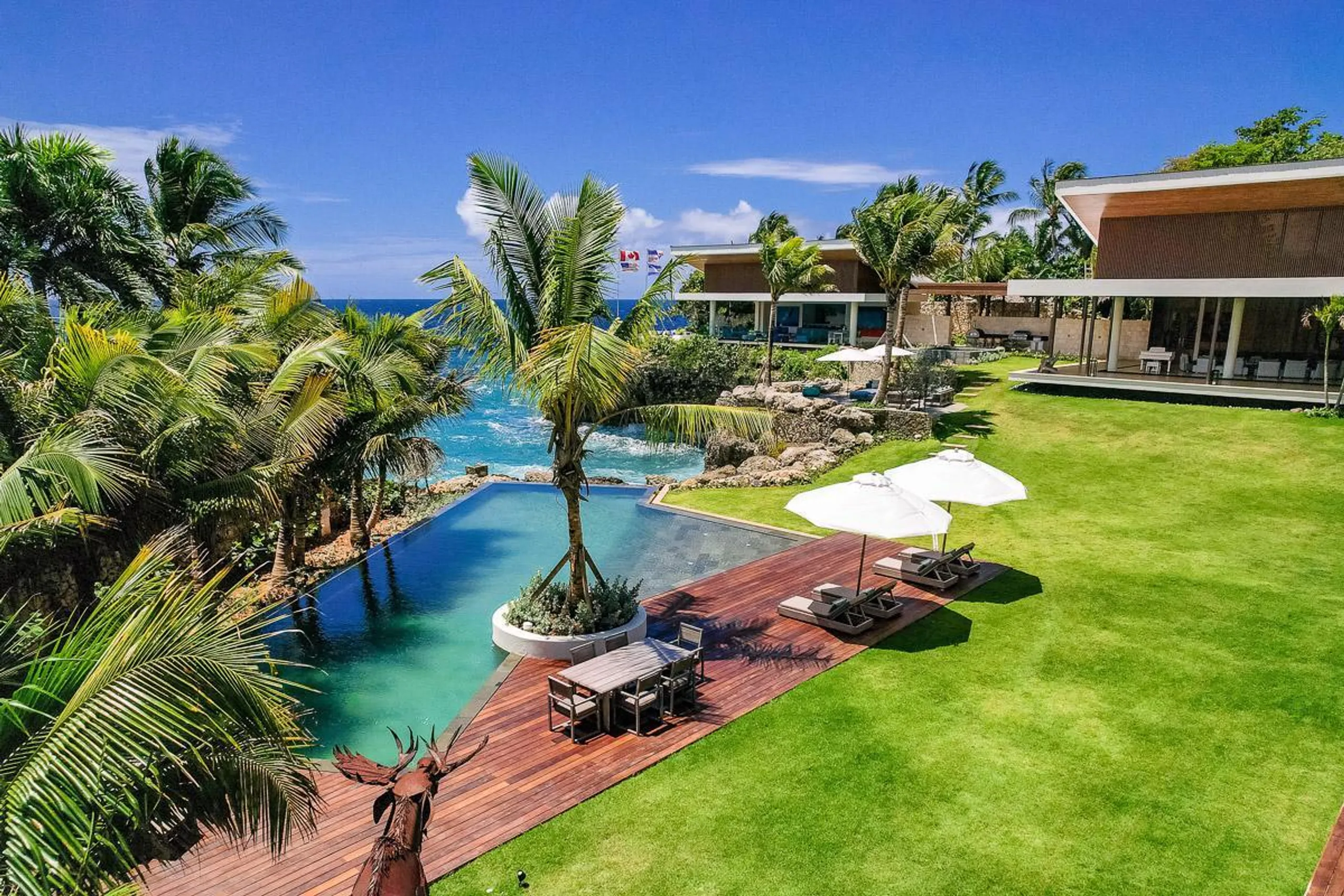
La Romana
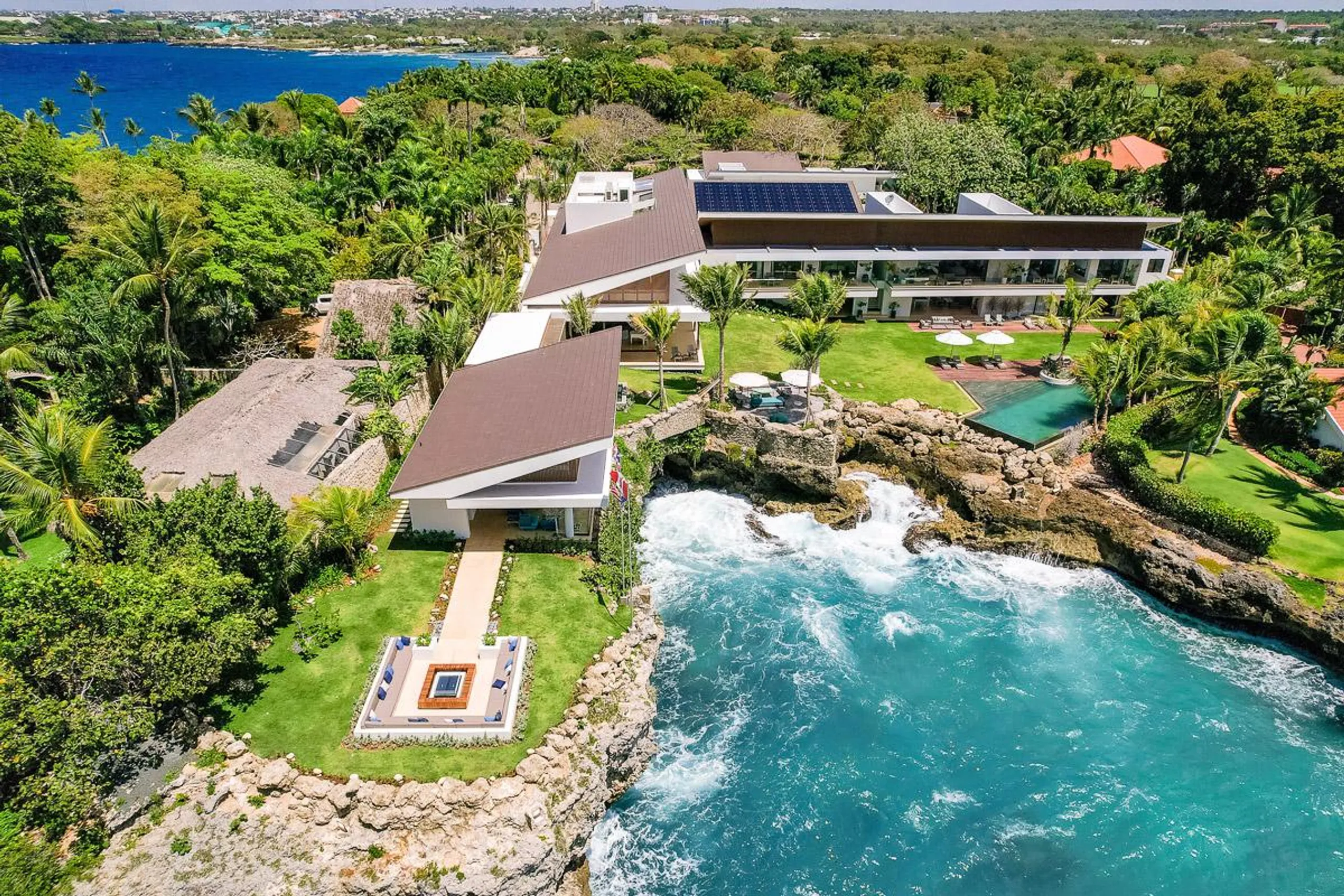
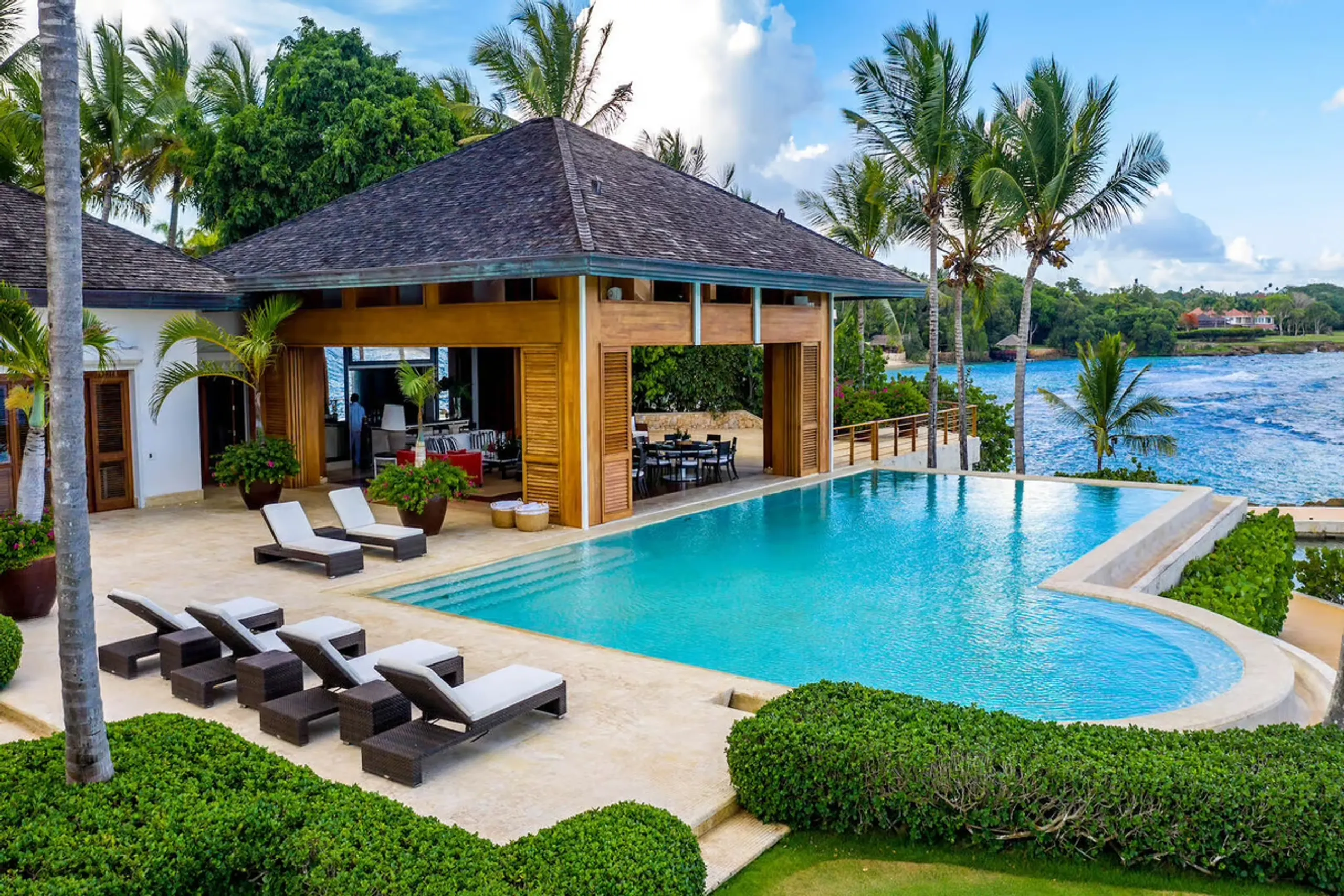
Glamorous Seaside Estate with Infinity Pool and Walks to Beach
10 bedrooms · 24 guests
From $18,750 USD / nightInquire ↗
BEYOND THE PUBLIC COLLECTION
The villas below are just a sampling. Many homes are offered as private or pocket listings. Tell us your dates and what you have in mind, and request a personal selection by email.
Inquire for private listingsTHE PRIVATE COLLECTION
Showing 1–24 of 126 villas. Current pricing and availability require confirmation.
La Romana
10 bedrooms · 24 guests
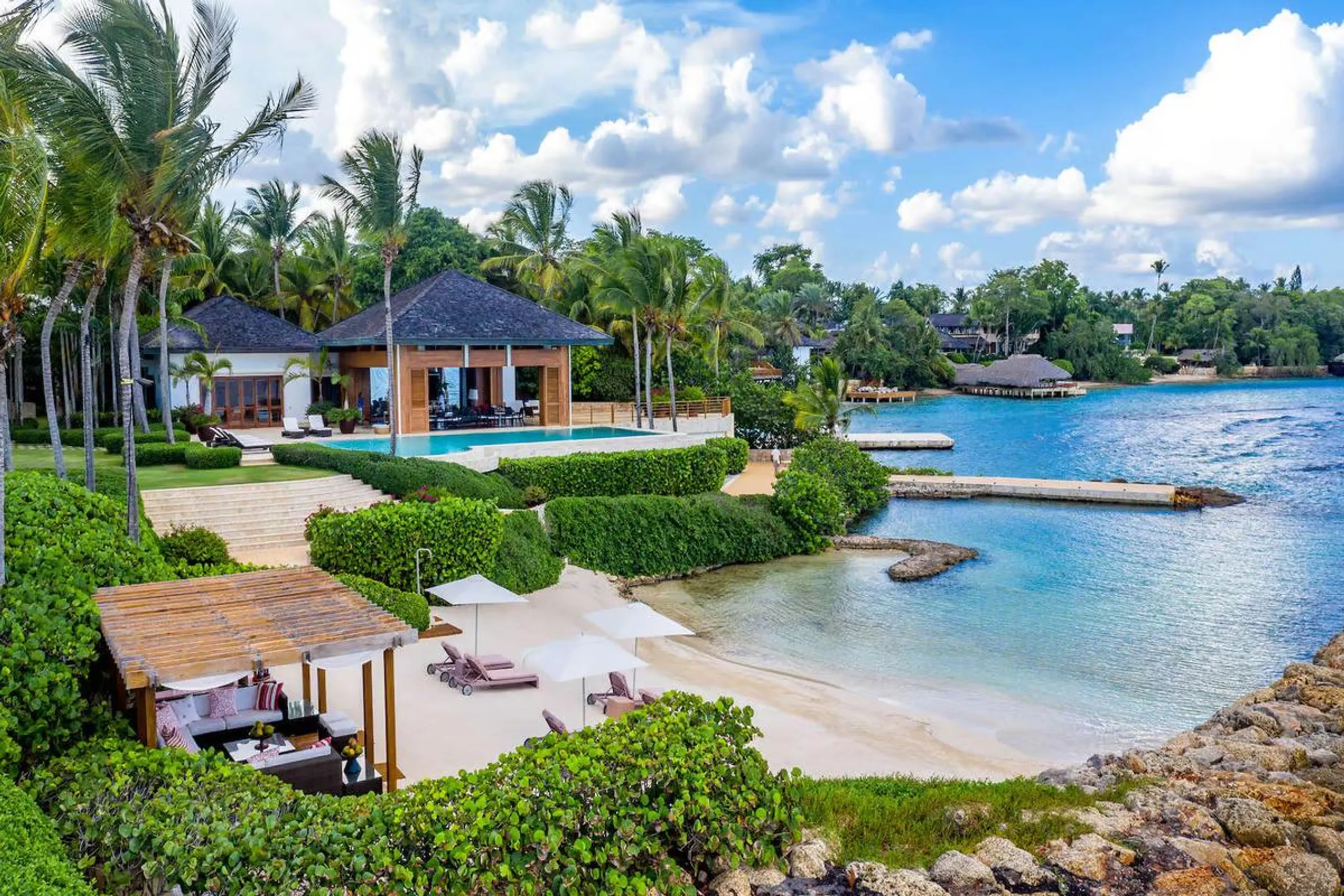
La Romana
5 bedrooms · 10 guests
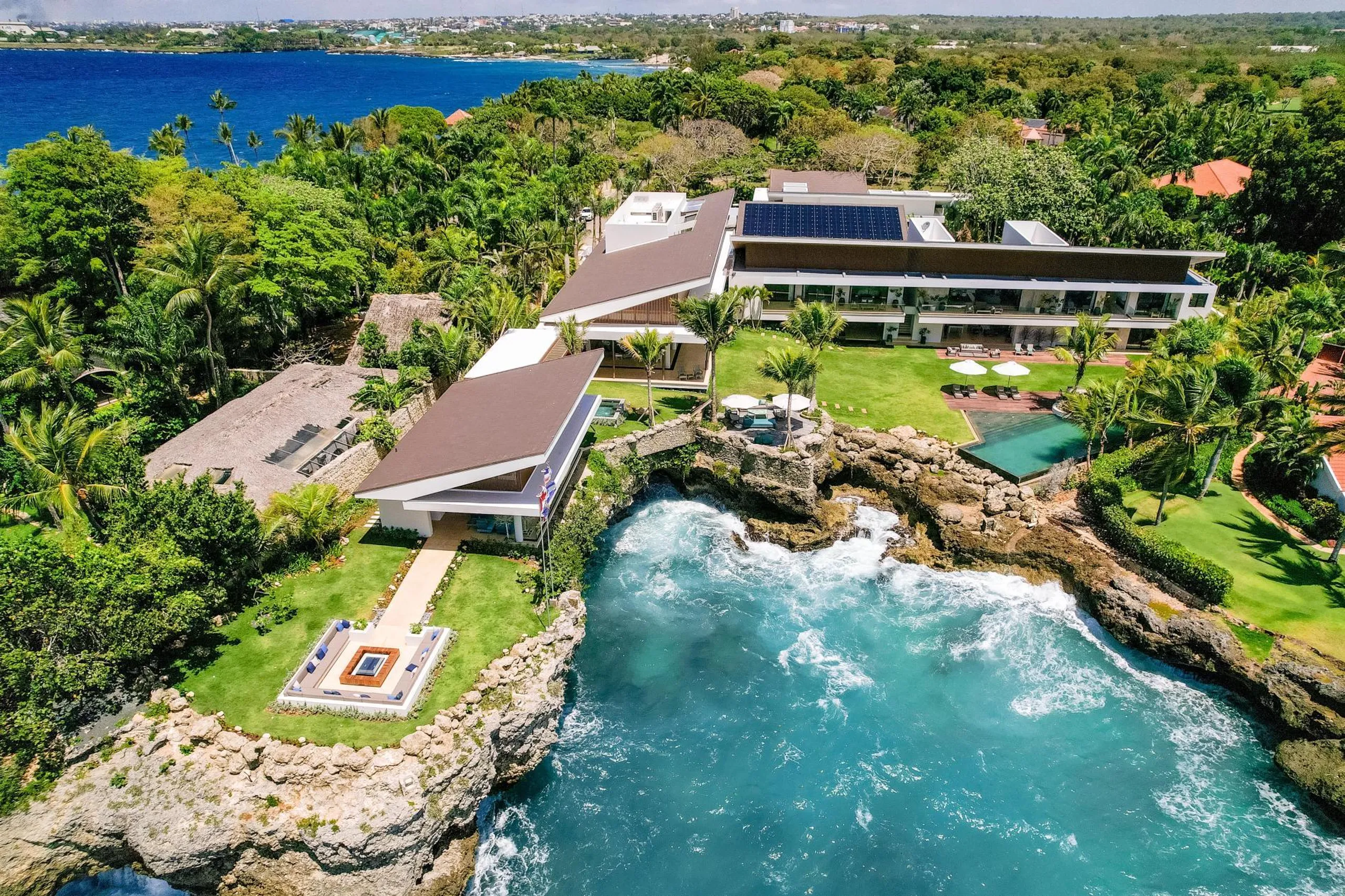
La Romana
10 bedrooms · 24 guests
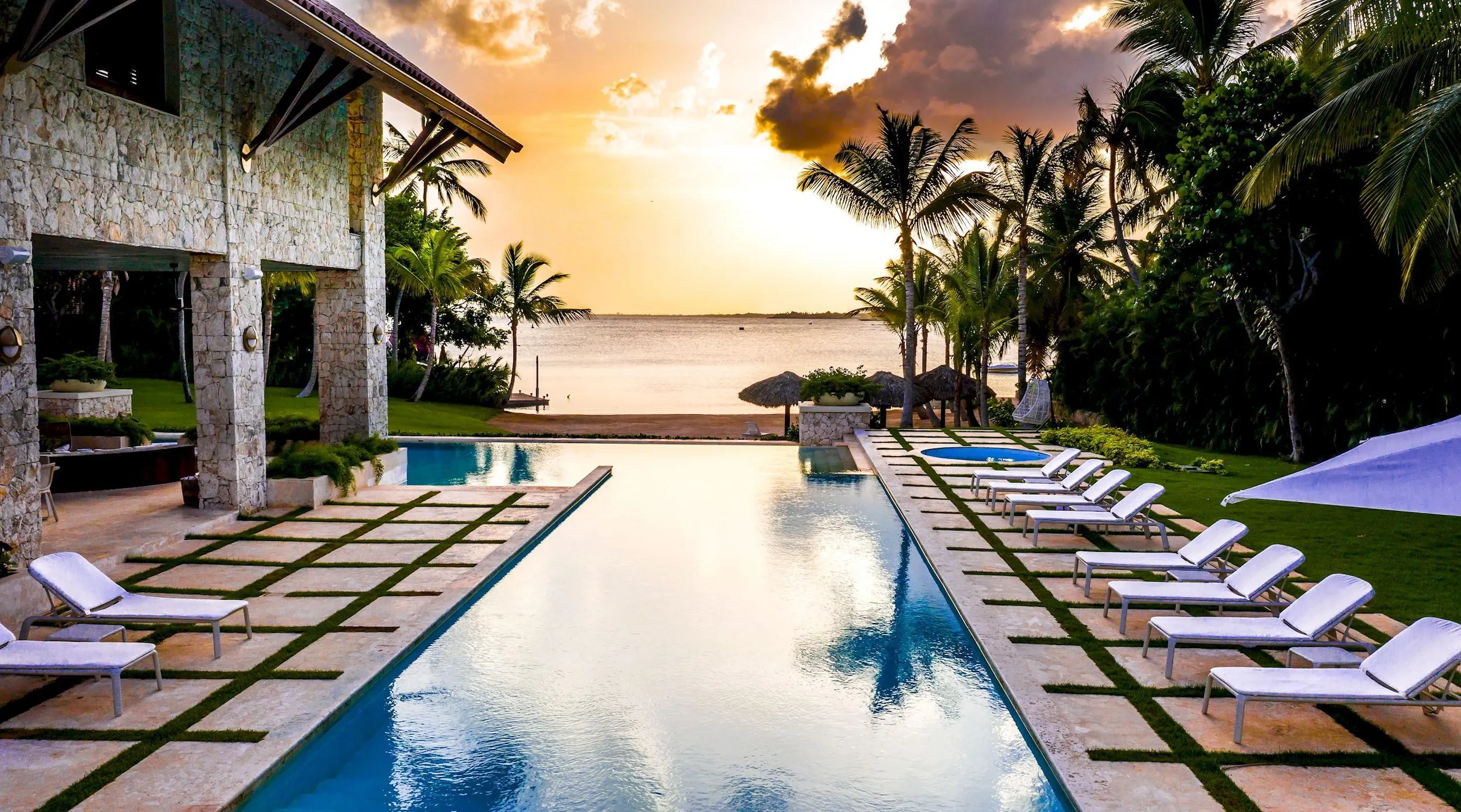
La Romana
12 bedrooms · 24 guests
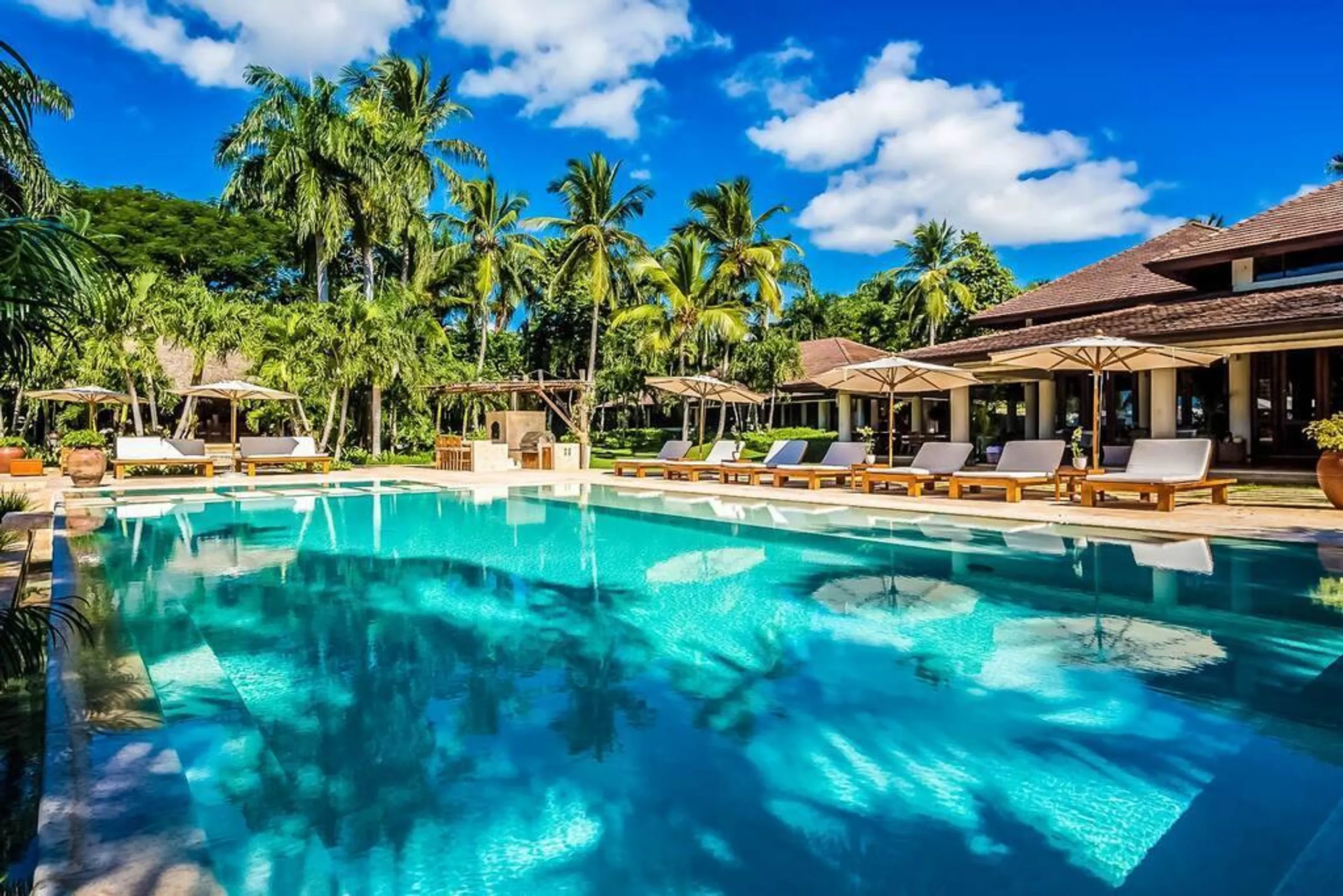
La Romana
9 bedrooms · 20 guests
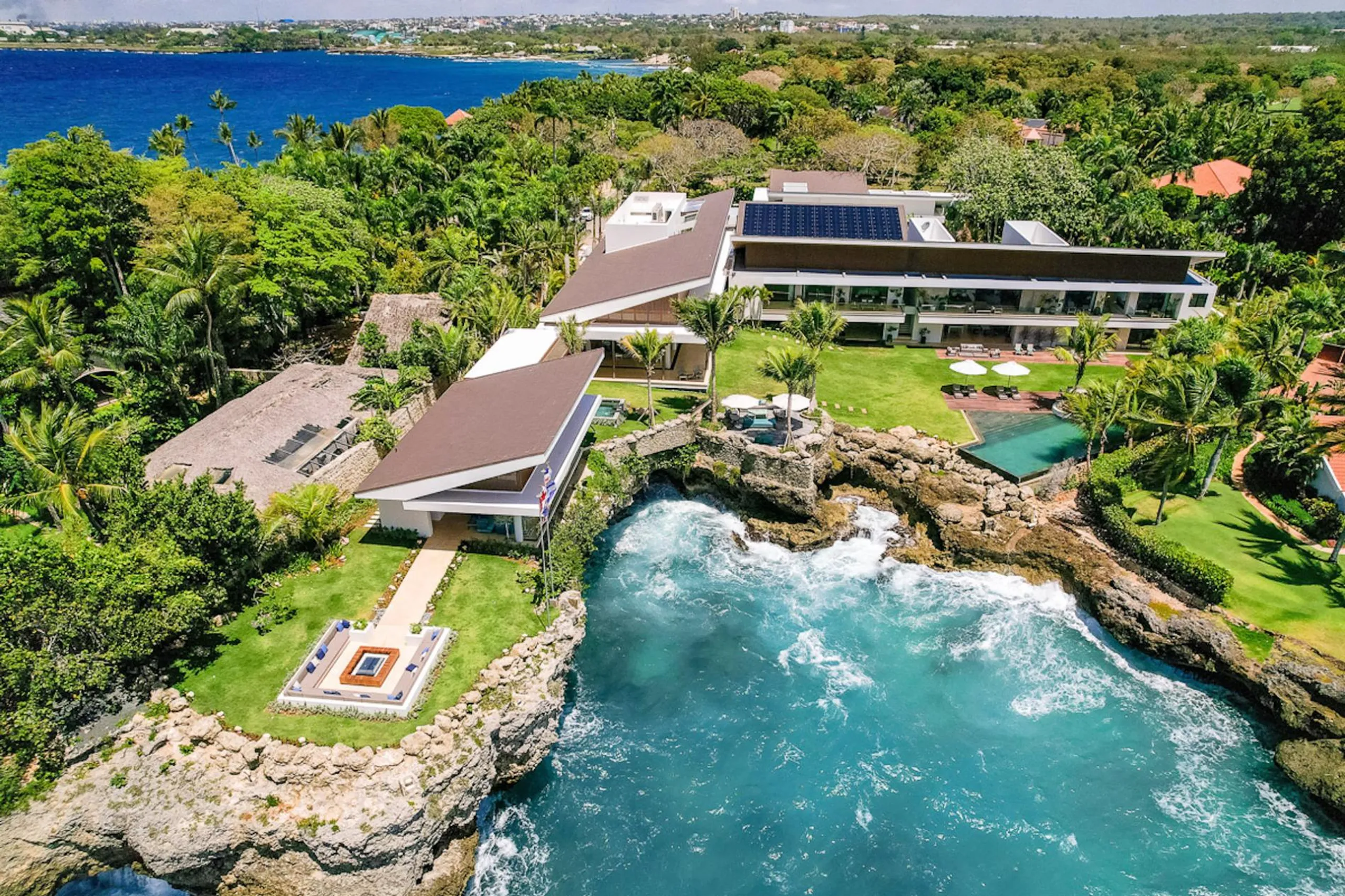
La Romana
10 bedrooms · 20 guests
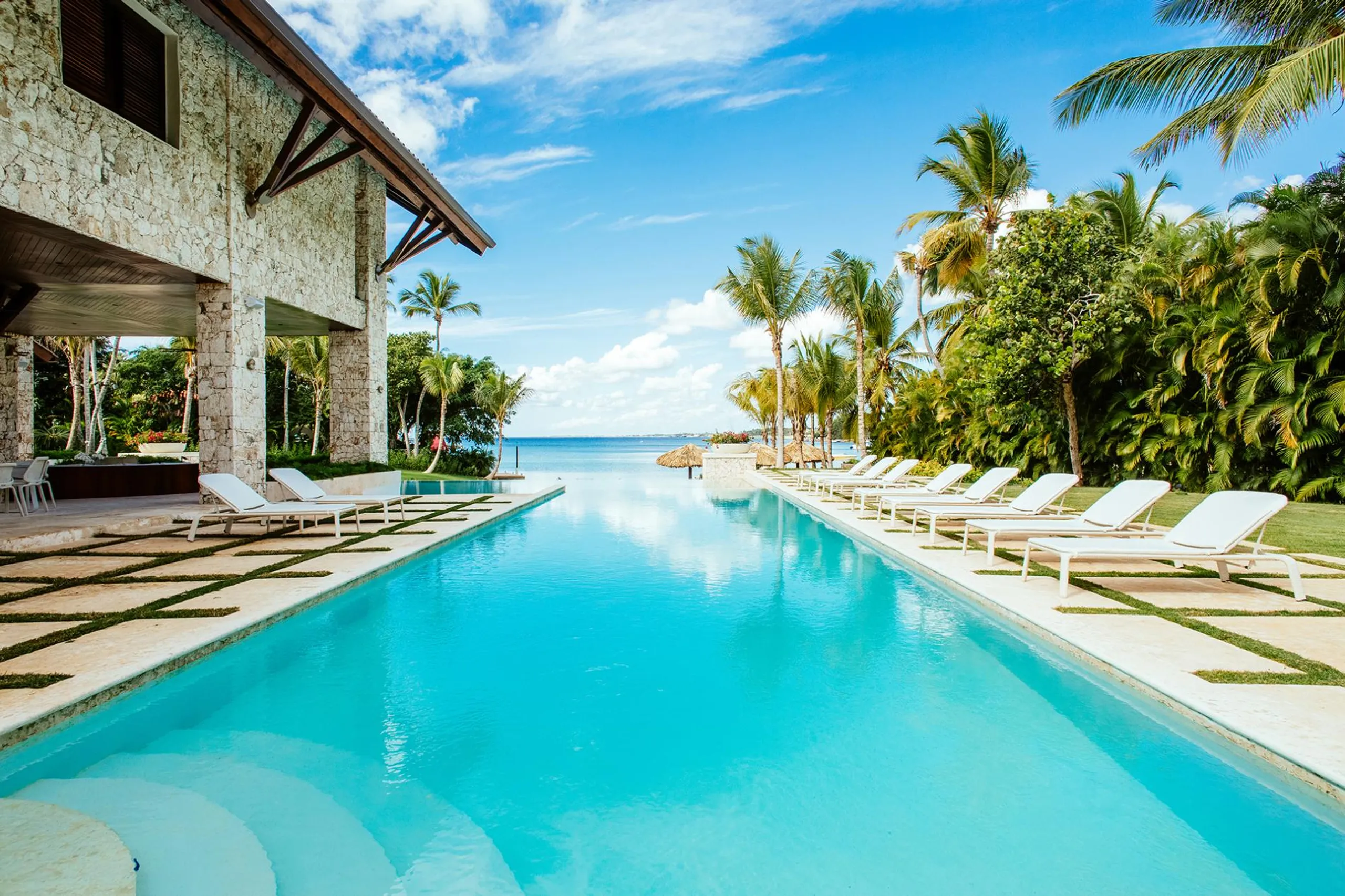
La Romana
12 bedrooms · 24 guests
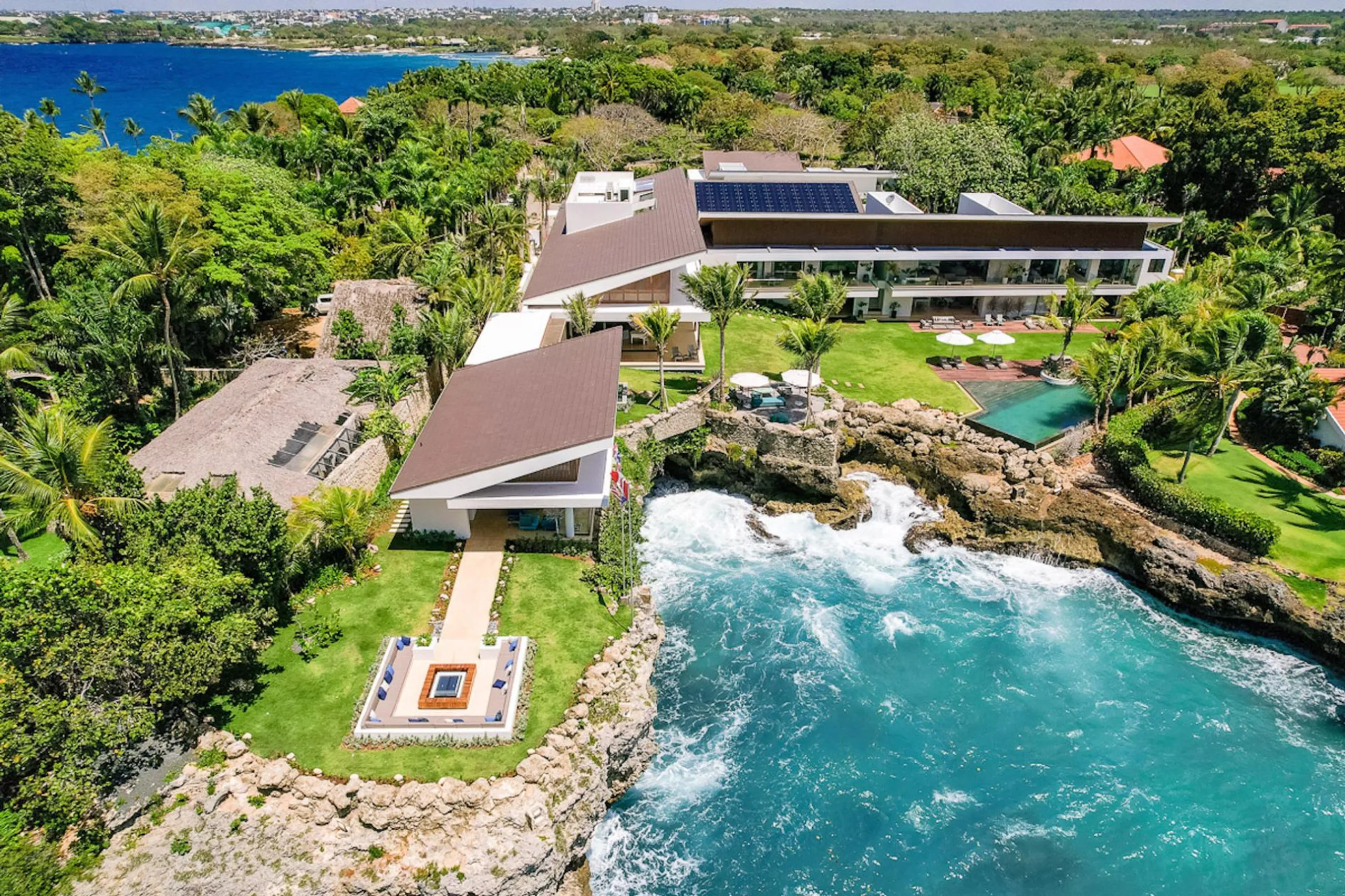
La Romana
6 bedrooms · 15 guests
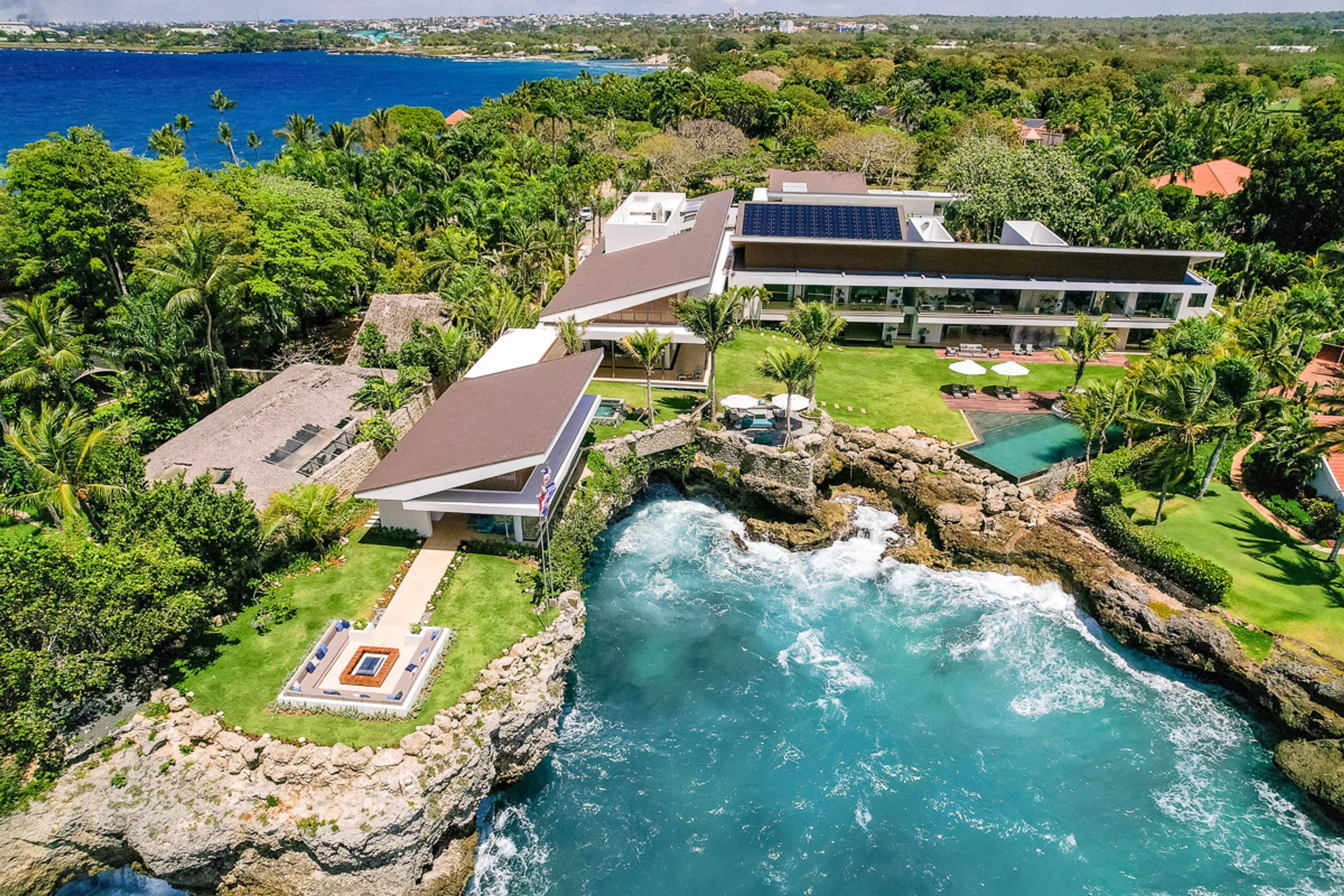
La Romana
6 bedrooms · 18 guests
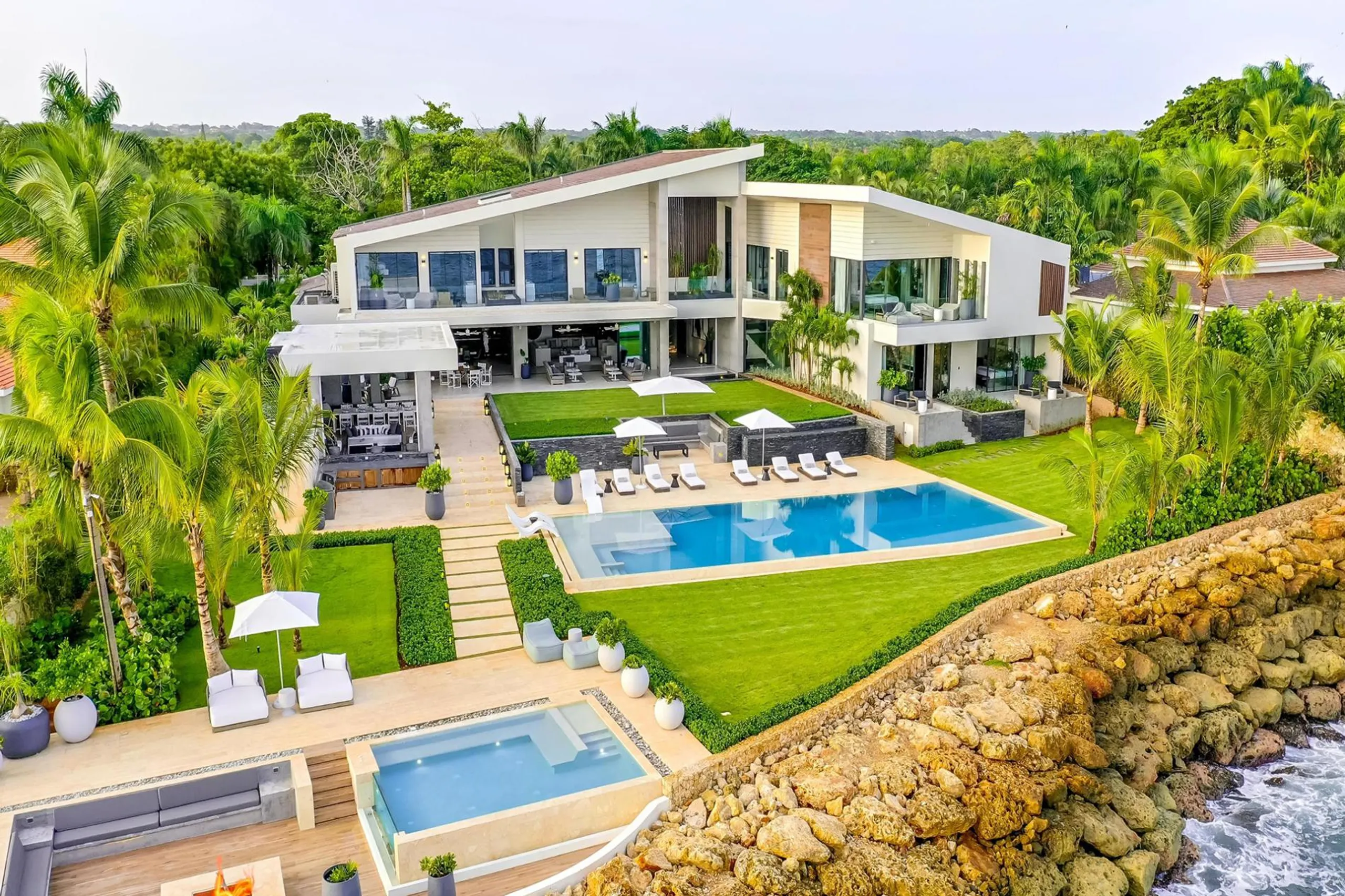
La Romana
6 bedrooms · 12 guests
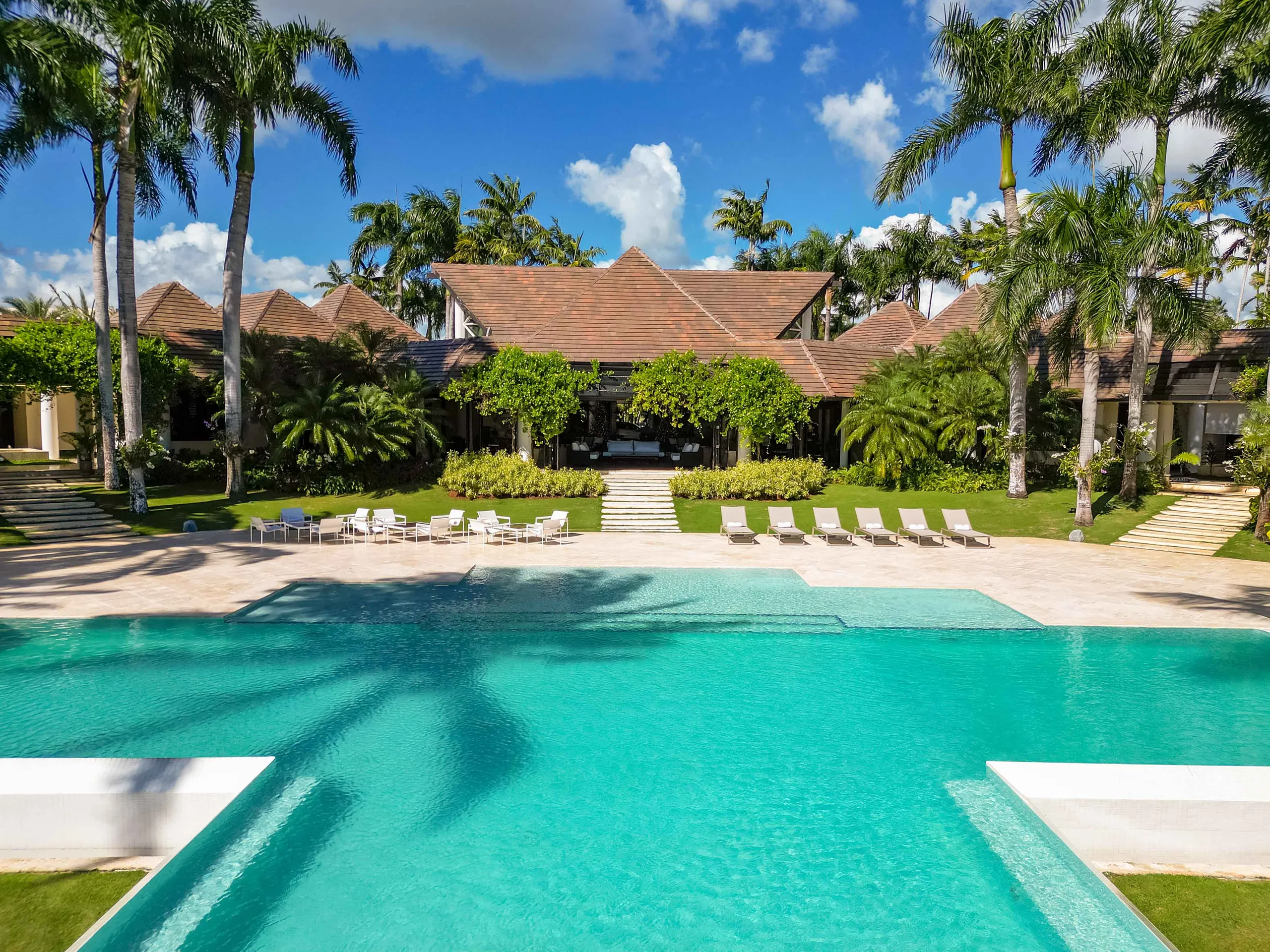
La Romana
10 bedrooms · 24 guests
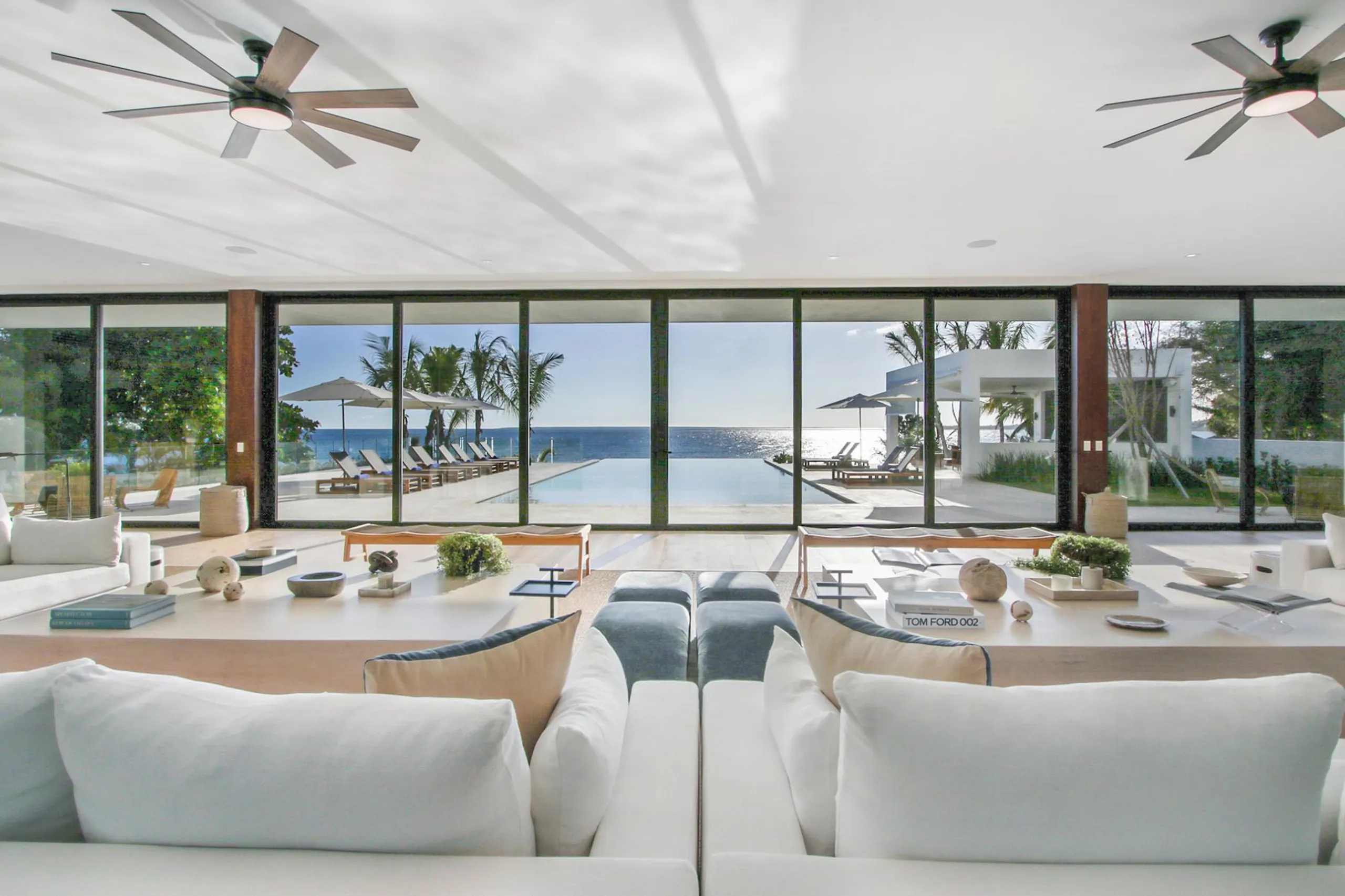
La Romana
12 bedrooms · 24 guests
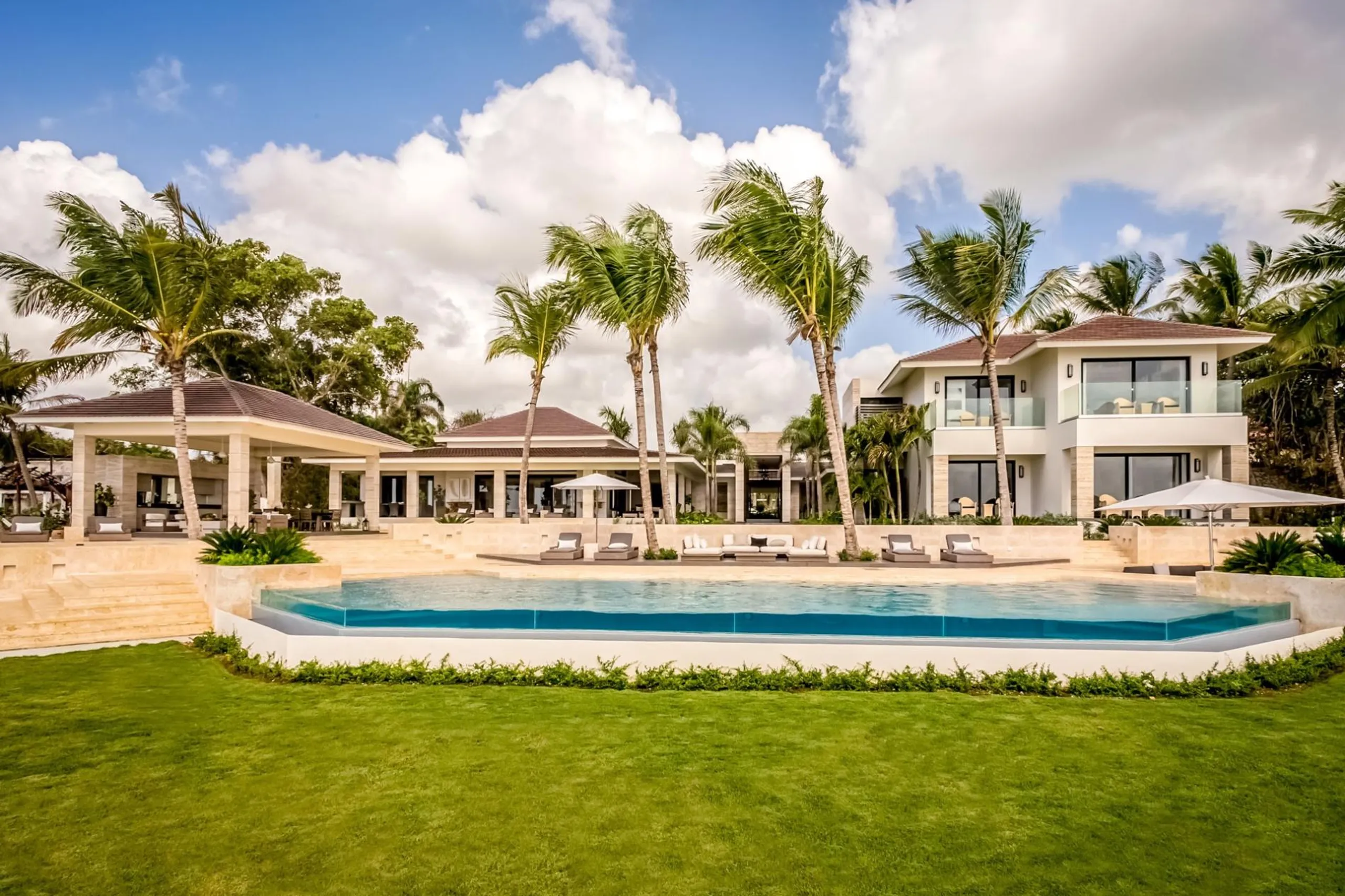
La Romana
6 bedrooms · 12 guests
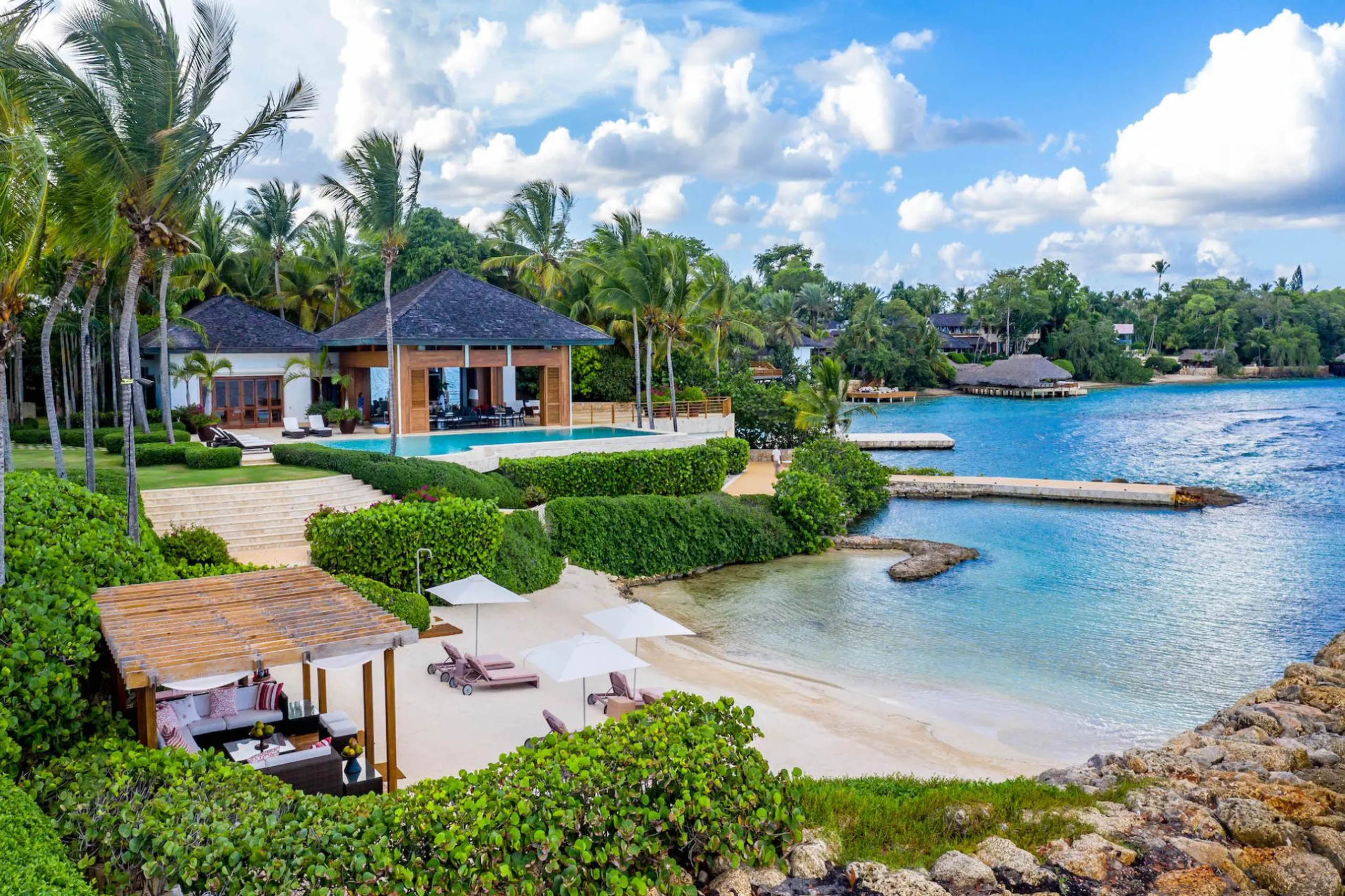
La Romana
5 bedrooms · 10 guests
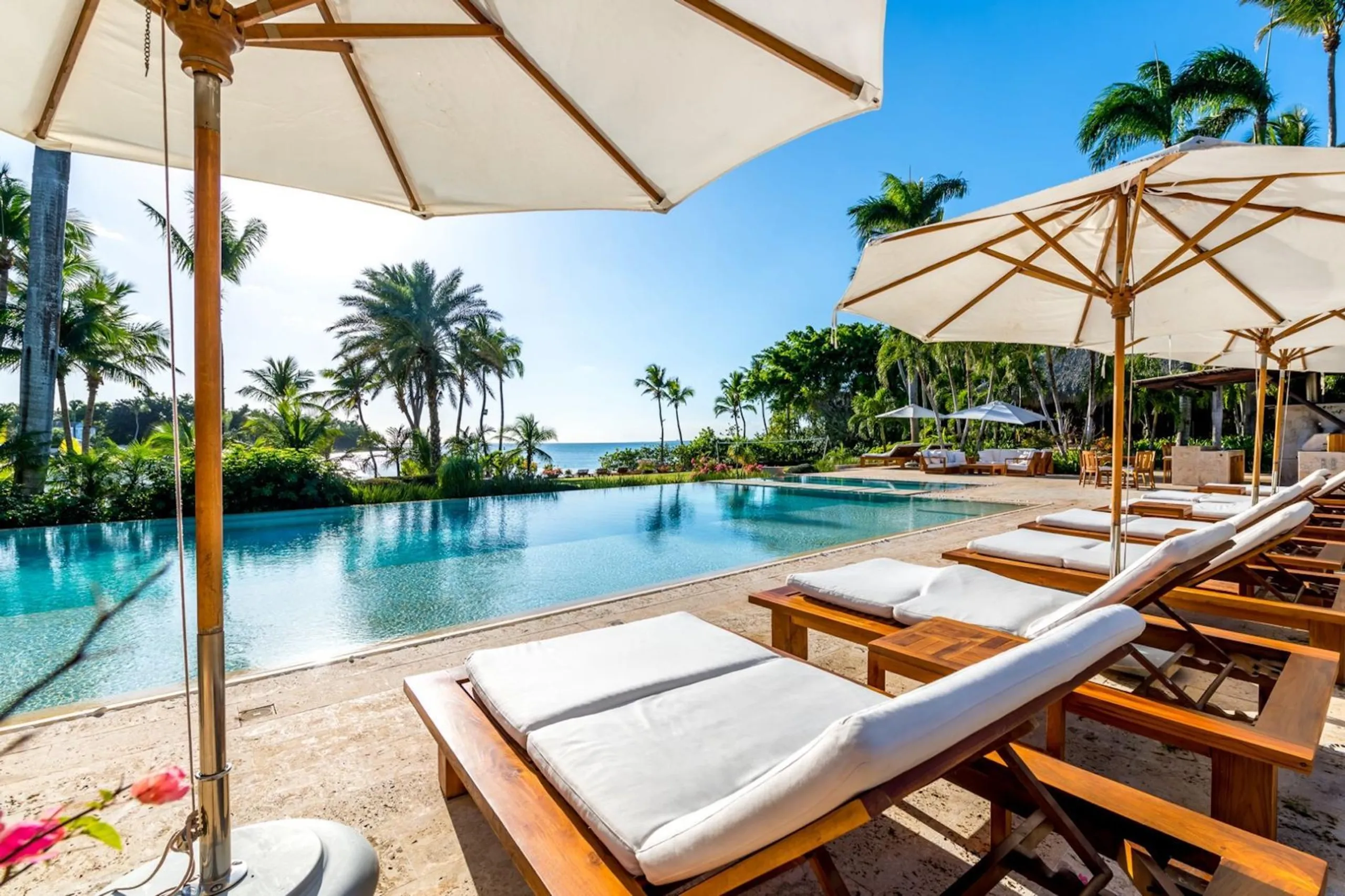
La Romana
9 bedrooms · 18 guests
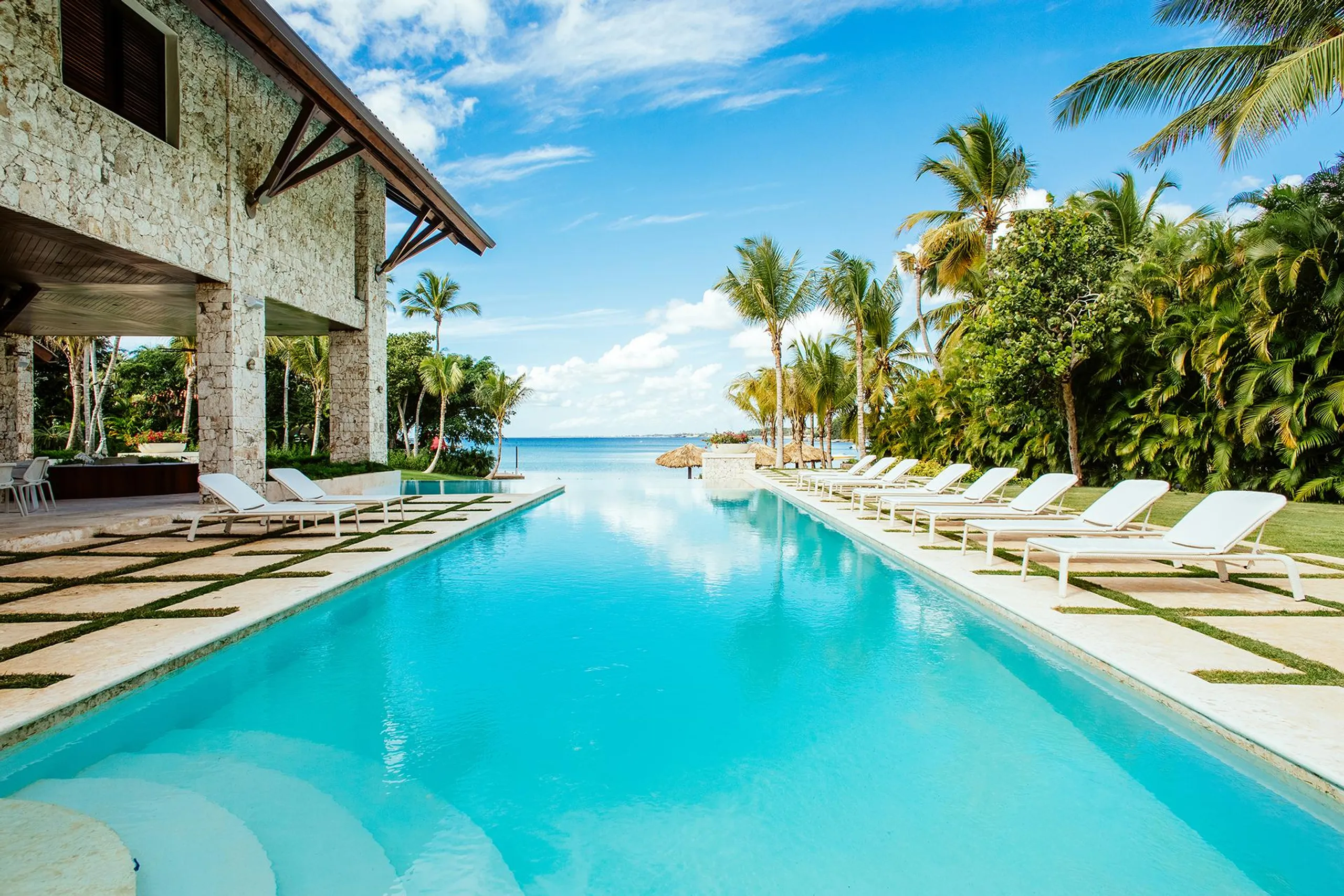
La Romana
8 bedrooms · 16 guests
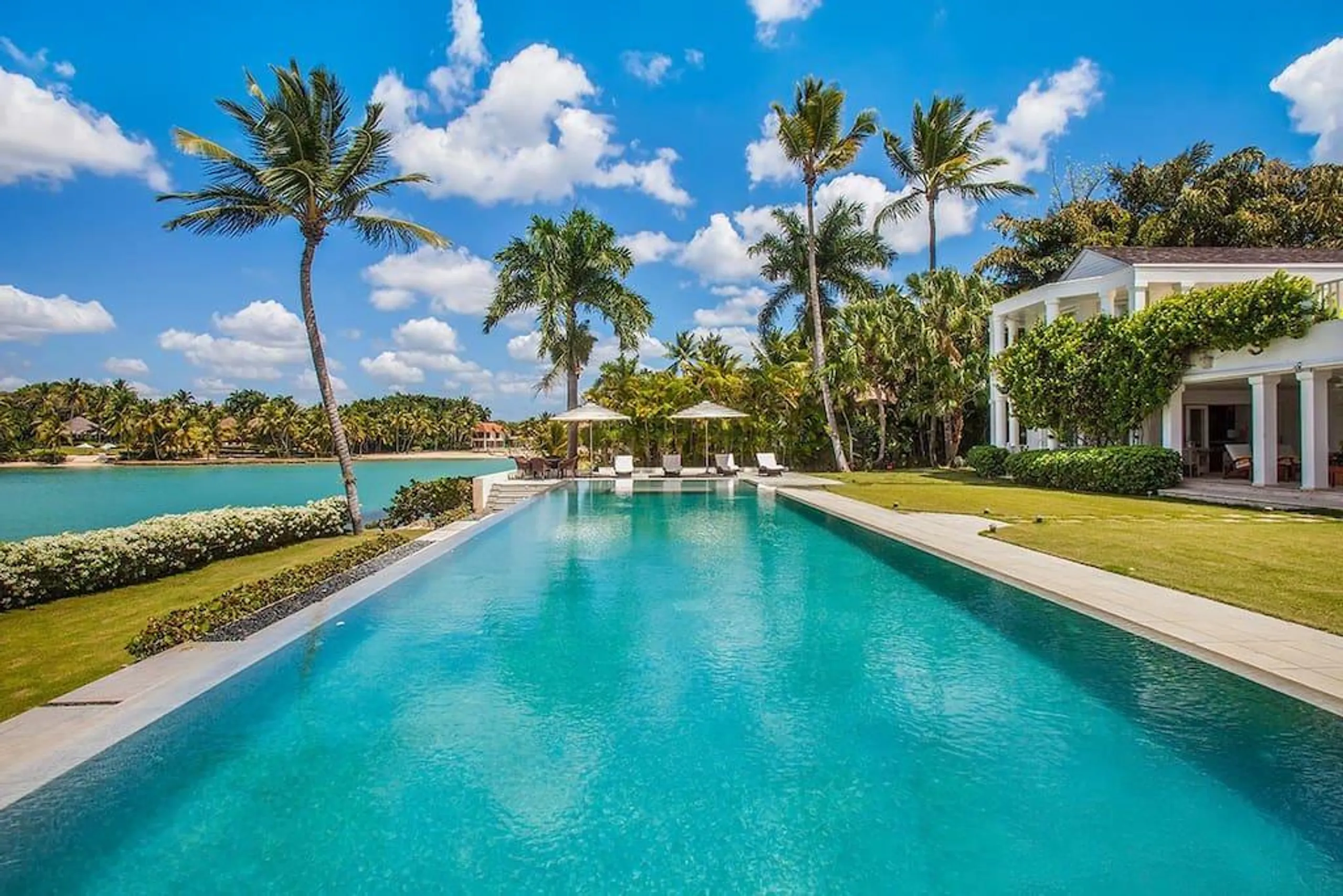
La Romana
8 bedrooms · 16 guests
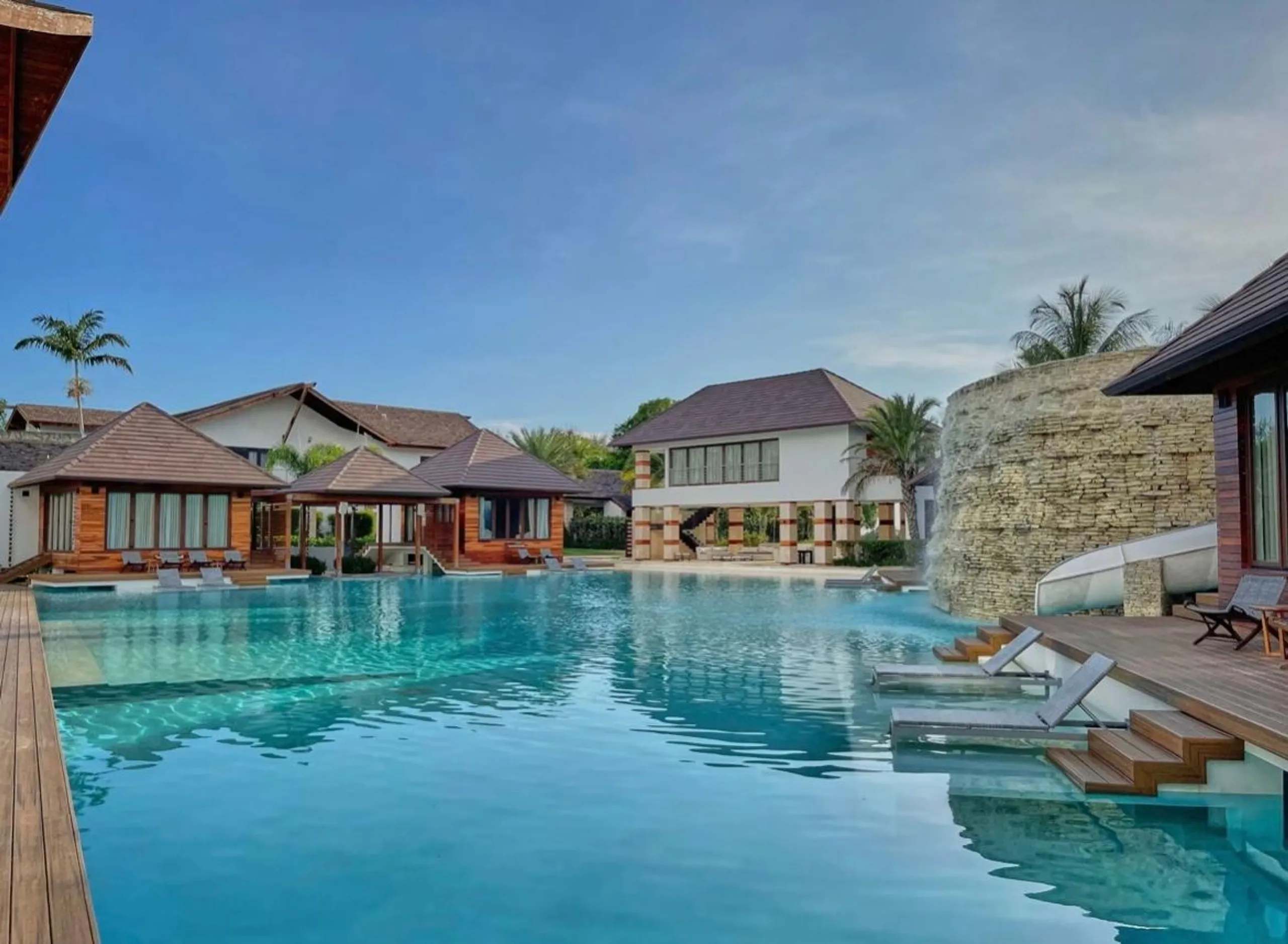
La Romana
8 bedrooms · 16 guests
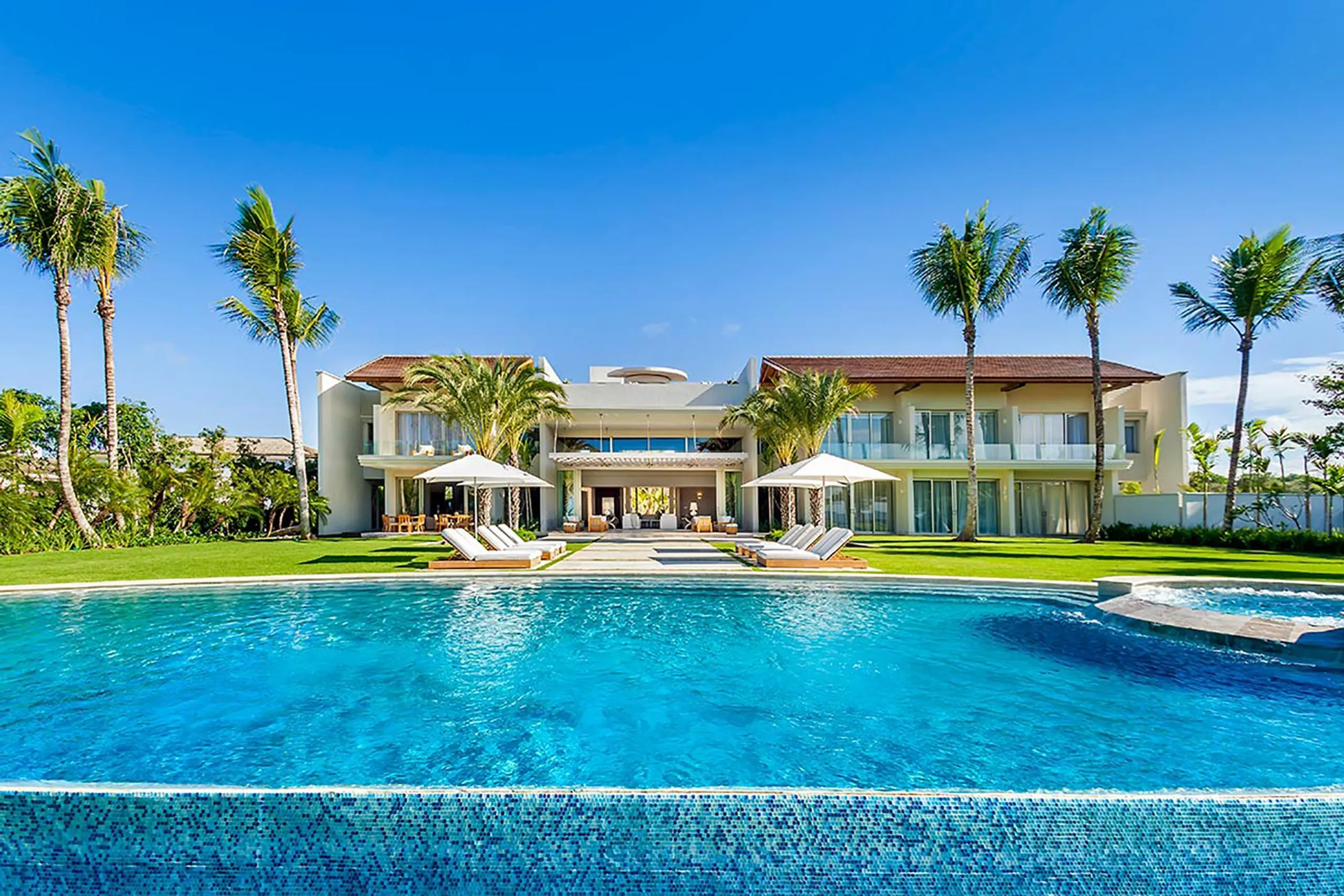
La Romana
6 bedrooms · 12 guests
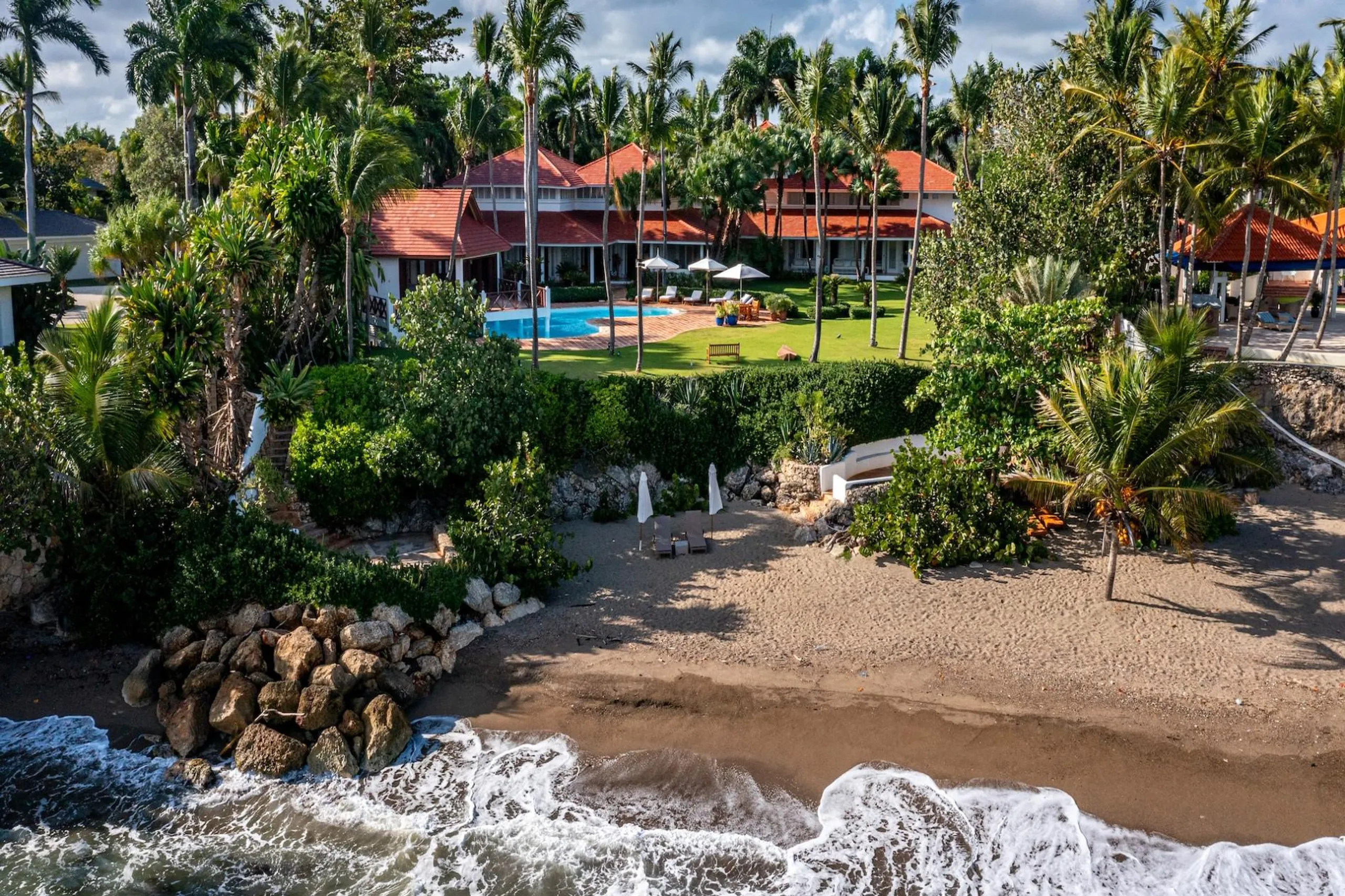
La Romana
8 bedrooms · 16 guests
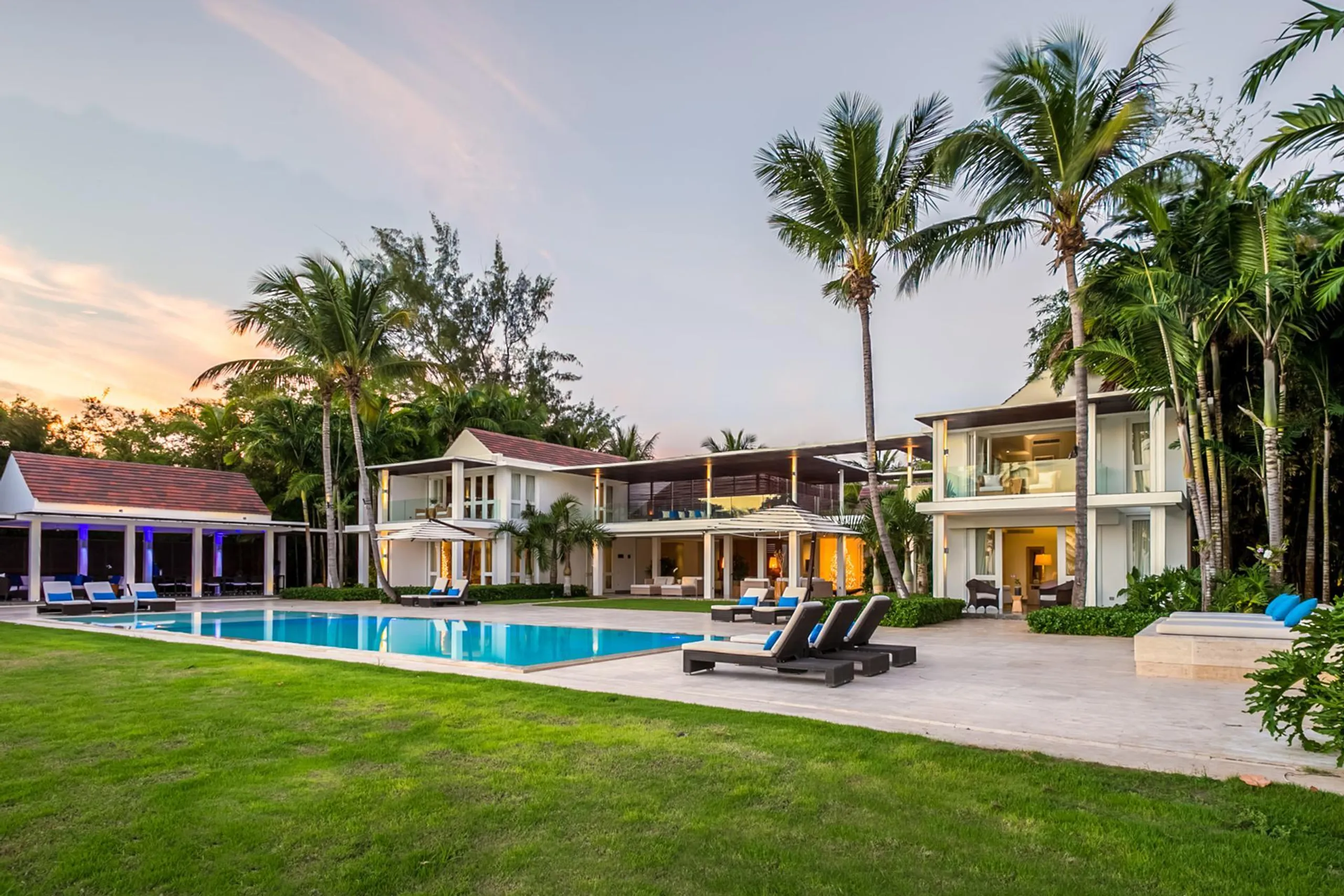
La Romana
6 bedrooms · 12 guests
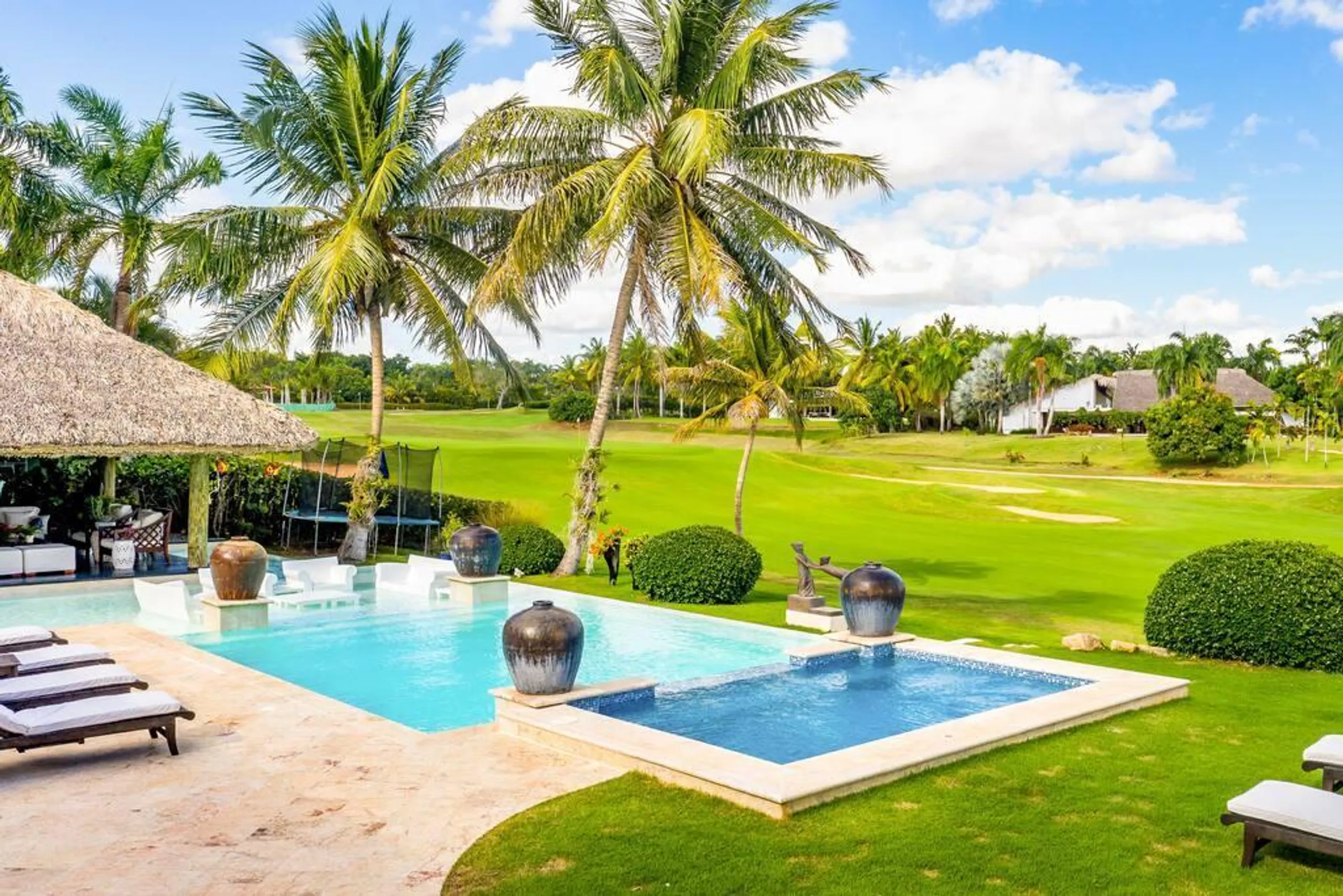
La Romana
5 bedrooms · 10 guests
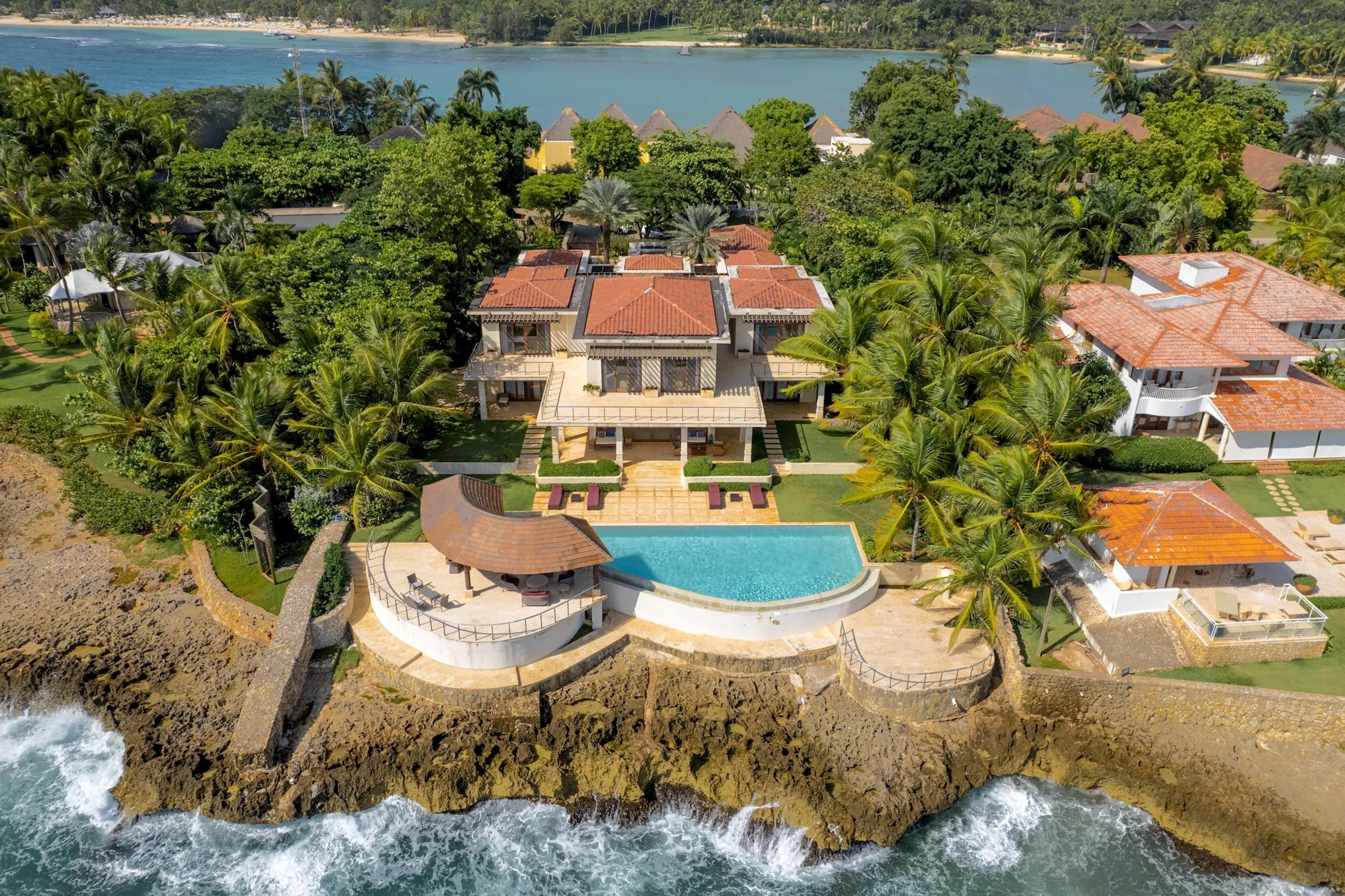
La Romana
5 bedrooms · 10 guests
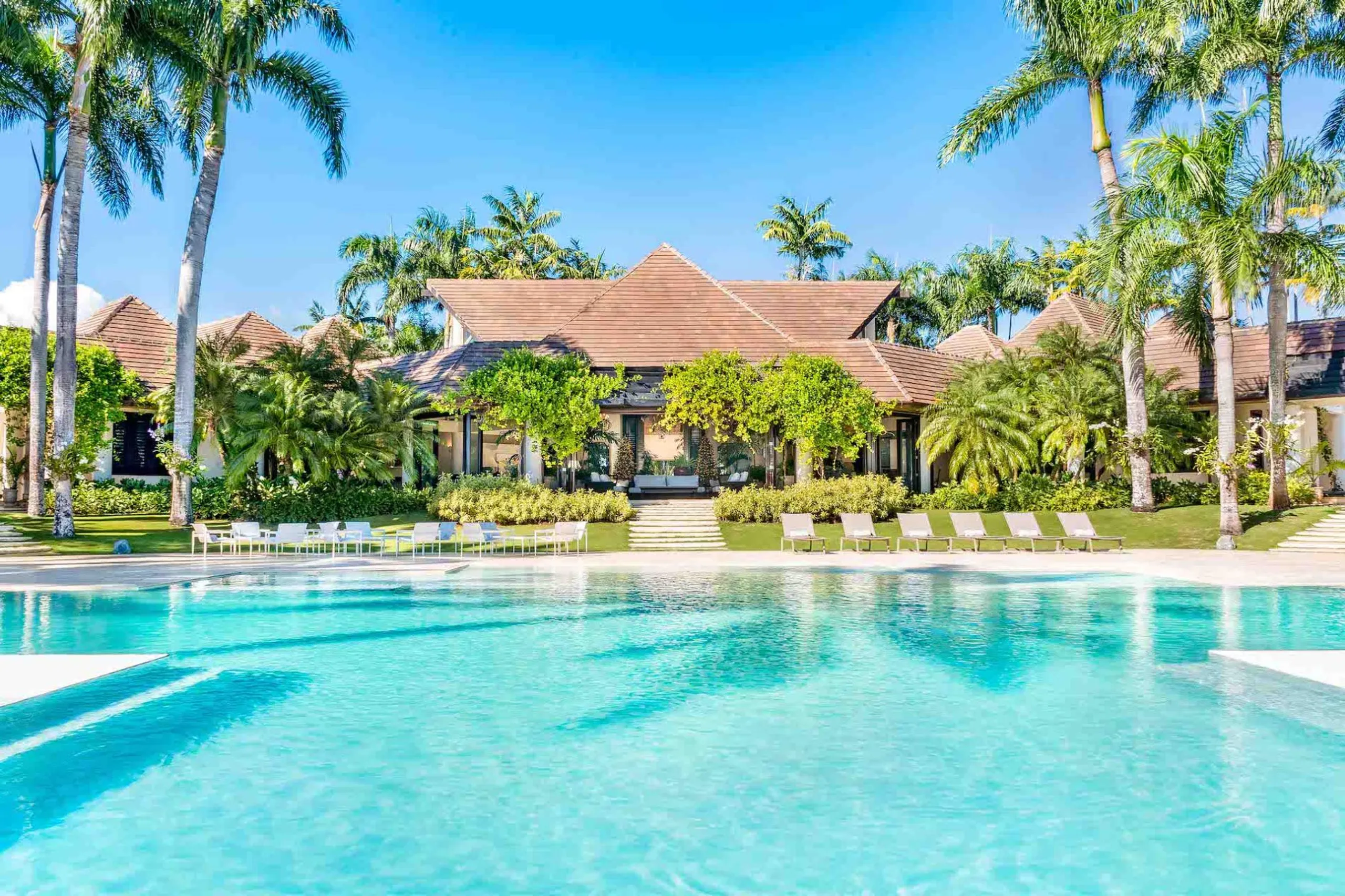
La Romana
10 bedrooms · 20 guests
This collection lists 126 villas as of 2026-09-14. Country and regional pages include homes in their linked local areas. These are catalog counts, not date-specific availability.
Listed starting rates in this collection begin at $1,200 USD per night. Luxe Retreats features villas with starting rates of at least $1,200 USD. Request a written proposal for your dates, including taxes, fees, and services.
Open individual villa pages to compare photographs, bedroom counts, guest capacity, and listed amenities. Use the planning guides to identify questions about room access, meals, and transport. Share the shortlisted references with your inquiry.
A listed home is not a confirmation of availability. The team must check your dates and the applicable booking terms. An inquiry does not take payment or hold a property.
Describe your preferred meals and experiences in your stay brief. Inclusions and provider availability vary by villa and date. Ask for a written scope and price before treating a service as confirmed.
The villas shown here are a sampling of our collection. Many homes are offered as private or pocket listings. Send an inquiry with your destination, dates and preferences to request additional options by email; availability is confirmed individually.
Compare your shortlist · Understand starting rates · Send a stay inquiry
These collections span multiple destinations. Use the villa’s location to keep your shortlist in your preferred area.
Explore the La Romana destination guide for local areas, experiences and practical planning.
The public collection is a sampling. Additional private and pocket listings can be shared by email after your La Romana inquiry, subject to availability.
Look beyond the estate gates to understand La Romana, Bayahibe, Dominicus, Catalina and Cotubanamá, with cultural outings and thoughtful villa planning.
La Romana luxury villa rentals sit within a southeastern Dominican landscape of working city, private estates, archaeological heritage and Caribbean-facing coast. Casa de Campo is one important part of that picture, but it does not stand for all of La Romana. Bayahibe and Dominicus introduce different beach settings, while Catalina and Saona belong to the offshore experience. A good villa stay begins by separating these places, then deciding which relationships should shape the week.
This is a region for travelers who want more than one kind of day. An island excursion can be followed by time at home; a cave visit can introduce Indigenous history; a marina dinner can provide a polished evening without becoming the only way to experience local life. The private house should connect these interests at a comfortable scale. Choose the exact setting first, then a few meaningful outings. La Romana becomes more rewarding when the plan recognizes both its leisure appeal and the histories beneath it.
The regional tourism organization's cultural introduction traces La Romana's modern development through sugar production and later tourism. That economic history matters to the landscape. The city is not merely a gateway to beaches or a label attached to resorts; it belongs to a working region shaped by industry, migration and the sea.
A guided city visit can make those connections more legible than an unsupported drive between landmarks. Ask for a focus on the city's development and contemporary life rather than a rapid collection of shopping stops. Time around public spaces and a considered explanation of local history can provide context for the more private setting of a villa holiday.
This is particularly useful for guests staying inside a major estate. The resort environment is one version of the region, designed around leisure and managed access. Seeing the city helps place it within a larger Dominican reality. The outing need not occupy an entire day to be worthwhile. A focused morning, with room for conversation and a meal, can change the way the rest of the stay is understood.
El Obelisco is a useful example of why a monument deserves interpretation rather than only a photograph. Its origins are associated with the dictatorship of Rafael Trujillo, a context that complicates a purely decorative view of the city's landmarks. Public structures can carry histories of power as well as civic identity.
For travelers, the right approach is to let a knowledgeable guide explain the monument's place within the city and the changes in how it has been seen over time. It is an opportunity to connect the physical streetscape with national history. The visit should remain proportionate: one well-explained stop can be more illuminating than several landmarks presented without context.
A La Romana villa holiday can accommodate this kind of attention without losing its restorative purpose. Cultural depth does not require replacing beach time with a dense academic itinerary. It requires choosing a few encounters that reveal something specific. Returning to the house afterward, the group has more to discuss than which restaurant to reserve next, and the destination has acquired a human and historical dimension.
Cueva de las Maravillas introduces a much older layer of the region through Taíno rock art and cave formations. It belongs to a different historical scale from the city and from the Mediterranean-style architecture at Altos de Chavón. The distinction matters: this is evidence of Indigenous presence, encountered in a geological setting, rather than a modern attraction borrowing the appearance of the past.
A guided visit allows the cave to be understood through both its natural features and the meanings of the images it preserves. Follow the site's rules on photography, movement and touching surfaces. The value of the experience depends on conservation, and the artwork should not be treated as an interactive backdrop.
For families, the cave can be a strong alternative to another beach afternoon. Establish access requirements and the route for anyone with mobility concerns, then allow time to absorb the experience at a comfortable pace. A shorter, focused cultural outing often works better than combining several major stops simply because they appear on the same excursion brochure. The villa provides a calm place to return and continue the conversation afterward.
Bayahibe offers a village-and-coast setting that differs from La Romana city and the organized estate world of Casa de Campo. The official Bayahibe overview connects it with access to offshore islands and Cotubanamá National Park. For travelers planning several marine outings, that geographical relationship is a practical advantage, not just a descriptive detail.
An island excursion often begins well before boarding a boat. If the villa is far from the departure point, the day includes a substantial road component that does not appear in the beach photograph. Staying in the broader La Romana–Bayahibe region can make sense when boat trips are central to the holiday. Conversely, a guest who mainly wants the house and a golf estate may prefer to make a single island outing from another local base.
Give Bayahibe some attention beyond departure logistics. A coastal village has a daily life that differs from the excursion it sends visitors toward. Allow time for a meal or an unhurried look around where appropriate, while respecting working waterfront activity. The place becomes more than a dock, and the outing gains a beginning that belongs to the region.
Dominicus belongs to the same southeastern coastal conversation but should remain distinct from Bayahibe. It is another reference point for travelers comparing a beach-led setting with a more estate-centered stay. The region's beach guide places Dominicus among the principal shores of the area, alongside Bayahibe and the separately managed Minitas setting at Casa de Campo.
For villa selection, the important difference is the daily environment. A house associated with a coastal community may support a routine of beach visits and meals nearby, while a villa within a large estate may revolve around the property's pool and booked facilities. Neither format is automatically better for families. The right choice depends on how independently the group wants to move and where its most frequent activities will take place.
Spend time with the actual map and the property's route to the shore. Our guide to beachfront or ocean view helps separate the pleasure of seeing the sea from the convenience of using a particular beach. A clear understanding of that relationship is more valuable than an impressive aerial photograph with no explanation of access.
Catalina Island is a distinct offshore choice associated with beach time, snorkeling and diving in the La Romana region. It should not be confused with Saona simply because both appear in excursion lists. A good operator can explain the proposed route, time on the water and the balance between beach and underwater activity, allowing the group to choose the day that actually appeals.
For snorkelers or divers, ability and conditions determine the appropriate experience. Select an operator who gives a clear briefing and uses practices that respect reefs and wildlife. Avoid touching marine life or treating a photograph as a reason to pursue an animal. The sea provides the encounter on its own terms.
For guests less interested in underwater activity, establish what the day offers them as well. Shade, comfortable boat arrangements and a realistic pace may matter more than the number of stops. A private villa stay allows the party to divide if necessary: some can take the excursion while others enjoy the house, then everyone shares dinner. A successful group holiday does not require identical interests.
Saona Island is part of the wider protected coastal story associated with Cotubanamá National Park. The national park includes terrestrial as well as marine interests, so a visit should be understood as an encounter with protected environments rather than merely a beach service delivered offshore. That perspective improves the choices made during the day.
Choose an excursion with a clear itinerary and responsible guidance. Routes and conditions can change, and a quieter or longer experience may differ substantially from a large social group outing. Be explicit about which atmosphere you prefer. The best option is the one that fits the party's comfort and curiosity, not necessarily the one with the most dramatic promise.
Leave the evening uncomplicated after a full island day. A meal at the villa can be particularly welcome, allowing everyone to return without rushing another reservation. This is where the region's marine attractions and private accommodation complement each other: the outing supplies a change of scale, and the house supplies the time to enjoy being back.
Casa de Campo offers a coherent estate holiday within the broader region, with golf, Minitas Beach, a marina and Altos de Chavón. It can be an excellent villa base when those places are the main reason to visit. The important distinction is that choosing La Romana as a destination does not automatically provide the same experience as choosing a particular house within Casa de Campo.
For golfers, the estate's course names create a strong identity. For mixed groups, the appeal may be the ability to pursue separate activities and meet again at home. The actual booking should explain registration, transport, facilities and services clearly so the group knows what is included and what requires a separate arrangement.
Our multigenerational villa guide is relevant when several households share a property. Within a large estate, internal geography and the house plan both matter. A spacious villa can still be inconvenient if the family spends every day crossing the estate to reach its preferred activity. Choose the position that supports the repeated routine, then plan occasional outings beyond it.
Altos de Chavón supplies one of the region's best-known architectural images, but its identity should be stated accurately. It is a modern Mediterranean-style creation, not a preserved Dominican colonial settlement. The regional Altos de Chavón introduction makes that distinction. The pleasure of visiting lies in the craftsmanship, cultural functions and setting above the Chavón River.
Treat it as a place to look and learn, with a focus on the river outlook, an exhibition or museum visit where available, and time to move through the built environment. The contrast with the coast is valuable: the river gives the landscape depth, and the architectural composition creates a different atmosphere for an afternoon or evening.
For a first visit to the region, this can pair well with a thoughtfully chosen dinner, provided access and reservations are arranged. It should not be overloaded with several distant attractions. The place is more enjoyable when there is enough time to notice details rather than simply arrive at the viewpoint, take a photograph and depart for the next stop.
Within Casa de Campo's marina, La Casita emphasizes Spanish-inspired seafood, tapas and paella. It is a useful choice for a relaxed evening in which the waterfront setting and a shared meal carry the occasion. The restaurant's current information should guide reservations and access, particularly for guests staying elsewhere in the region.
Causa offers a different culinary direction, drawing on Peruvian Creole, Nikkei and Chifa traditions. This is an alternative for a group that wants contemporary international dining within the same general marina environment. The two suggestions are useful because they differ in culinary intent rather than simply duplicating the same experience under another name.
Neither should be mistaken for a complete account of Dominican cuisine. Balance estate dining with local food interests and meals at the house. Our private-chef villa dining guide explains how to arrange a home menu around the actual property and party. A good regional food plan makes space for both destination-specific curiosity and the simple pleasure of eating together without another journey.
The southeastern coast's tropical conditions make flexibility valuable, especially around boats and beach activities. Reserve the experiences that matter most, then allow weather-dependent outings to move where possible. Restaurant and attraction calendars should be checked for the actual dates, while the villa's quiet days remain a welcome part of the plan rather than empty space to be filled.
La Romana, Punta Cana and Santo Domingo airports represent different arrival possibilities and onward journeys. Select flights in relation to the actual house and any additional stay, not merely the broad destination label. The villa arrival checklist helps coordinate groceries, transfers and separate flights once the region is settled.
For a different eastern-coast emphasis, compare Punta Cana. For a larger itinerary, the Dominican Republic guide explains why the country's northern coast and capital deserve their own planning. Send a La Romana villa inquiry with dates and your preferred balance of estate life, beaches and regional outings. Public villas are a sampling; additional private or pocket listings may be shared by email after inquiry, subject to availability.