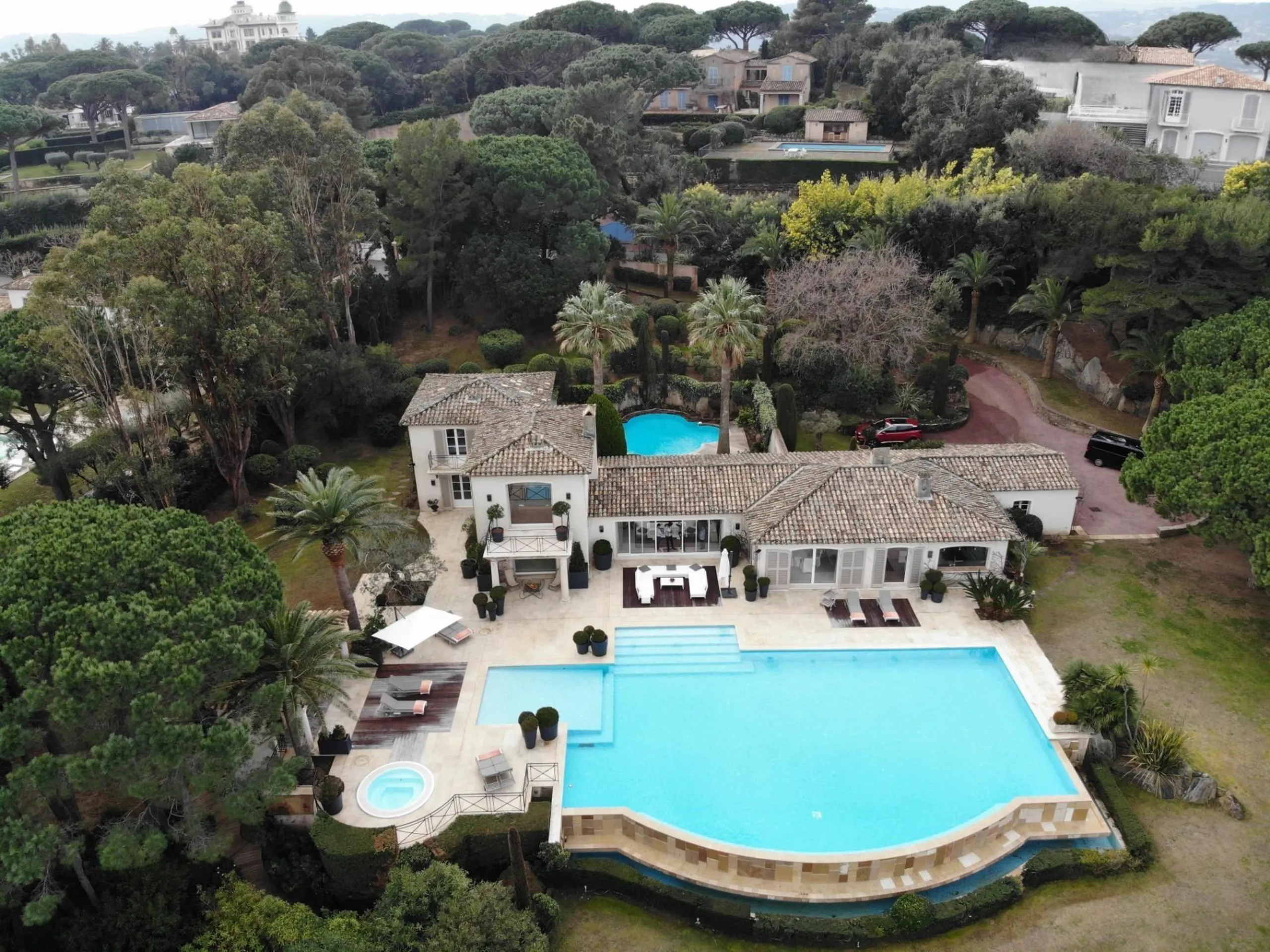
Exquisite Villa with Two Private Pools and Captivating Sea View
St. Tropez · 6 bedrooms · 12 guests
From $4,690 / night
 LUXERETREATS®PRIVATE VILLAS. SHARED MOMENTS.
BEYOND THE PUBLIC COLLECTION
The villas below are just a sampling. Many homes are offered as private or pocket listings. Tell us your dates and what you have in mind, and request a personal selection by email.
Inquire for private listingsExplore the collection. Rates and availability are confirmed for your travel dates.
St. Tropez · 6 bedrooms · 12 guests
From $4,690 / night
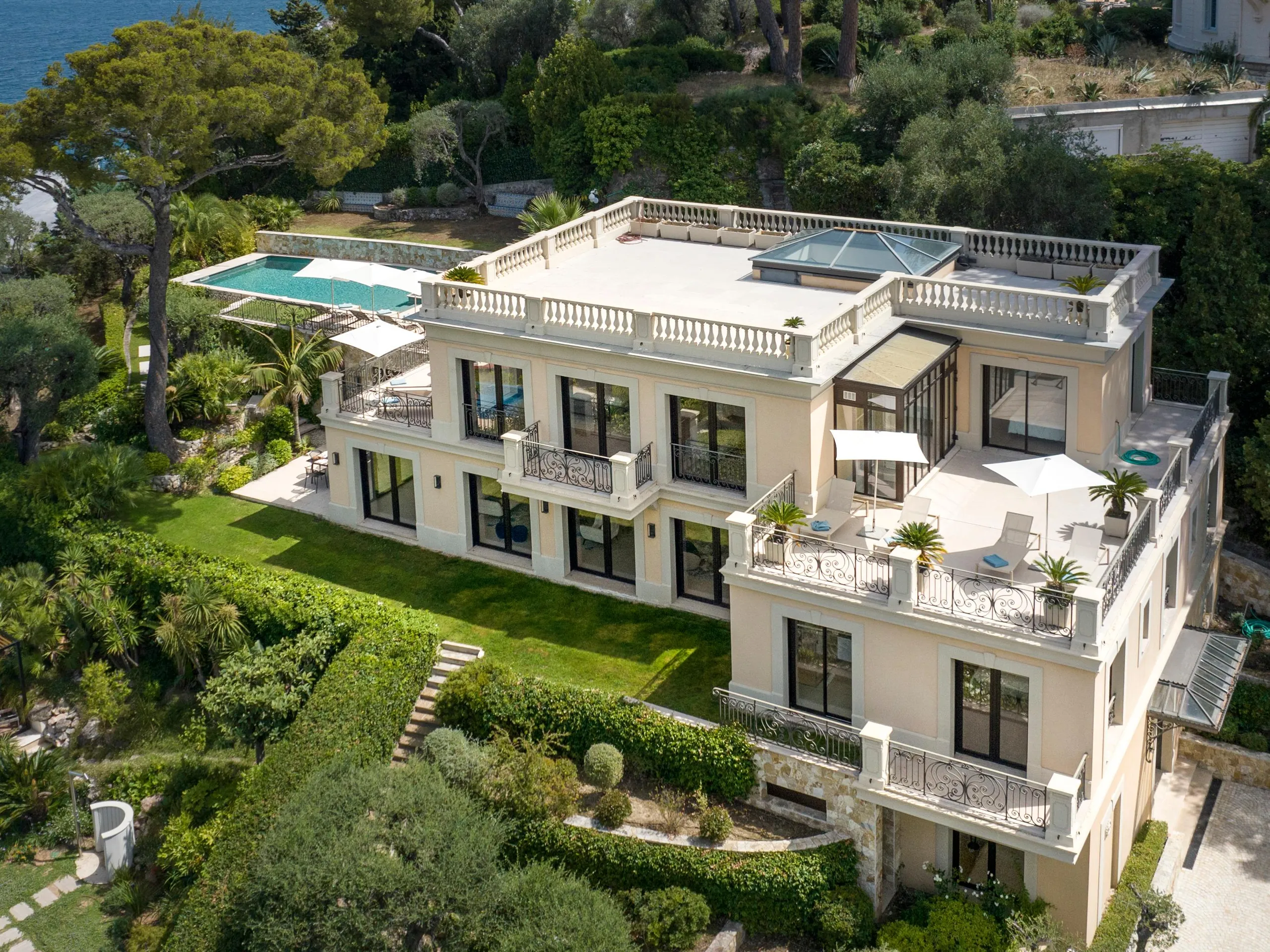
Saint Jean Cap Ferrat · 6 bedrooms · 14 guests
From $4,189.53 / night
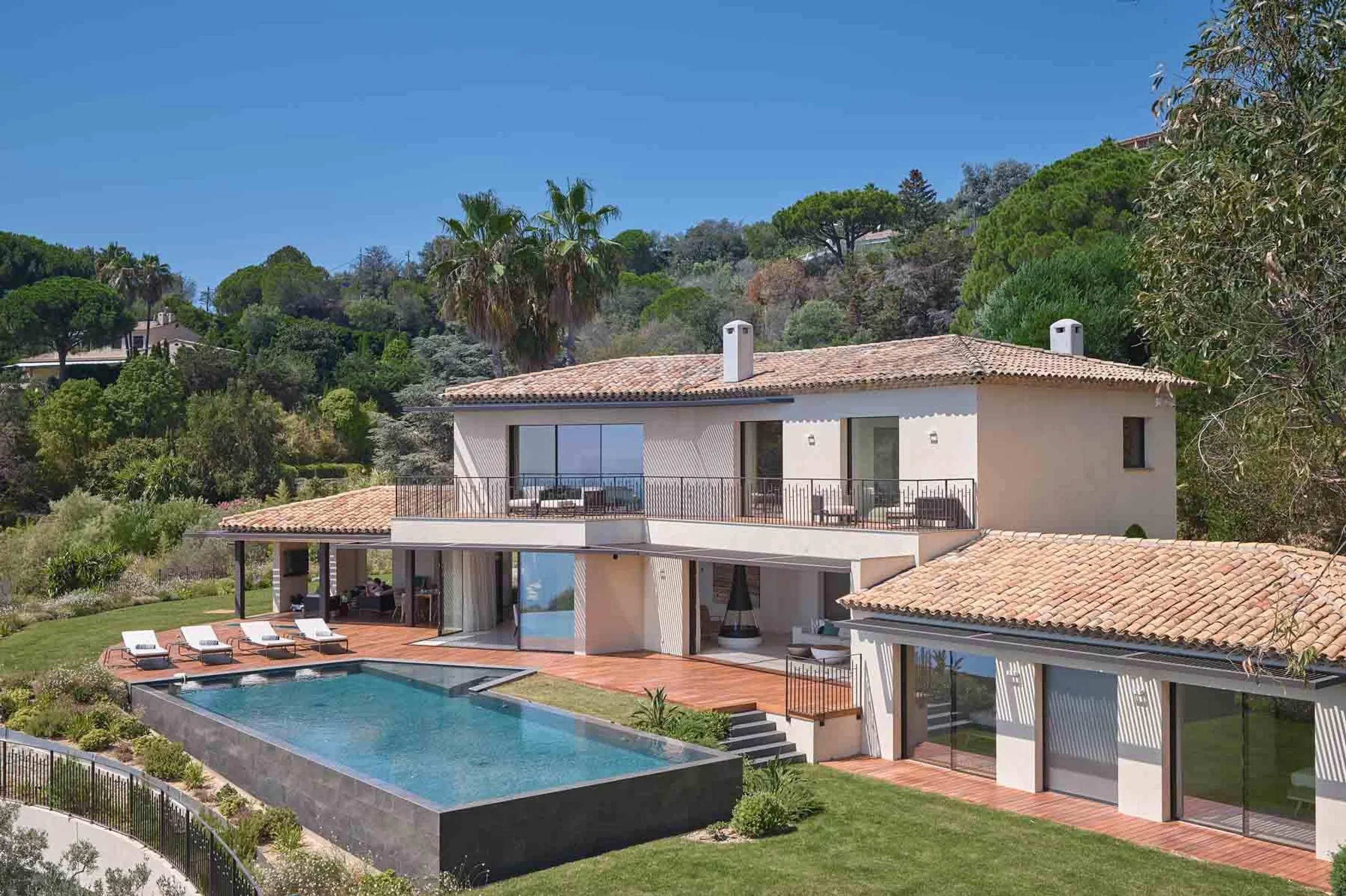
Cannes · 6 bedrooms · 14 guests
From $3,880 / night
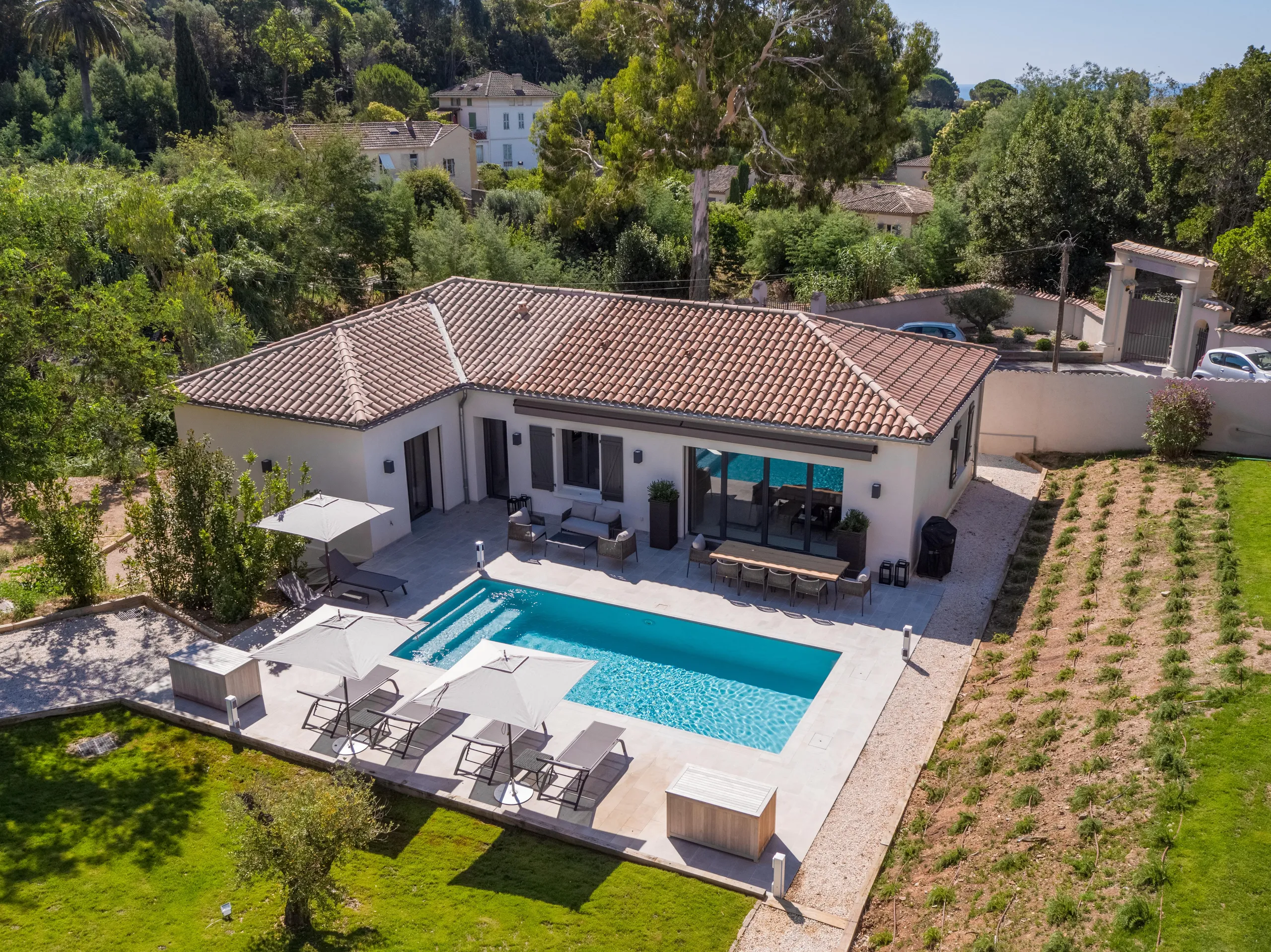
St. Tropez · 5 bedrooms · 10 guests
From $3,380 / night
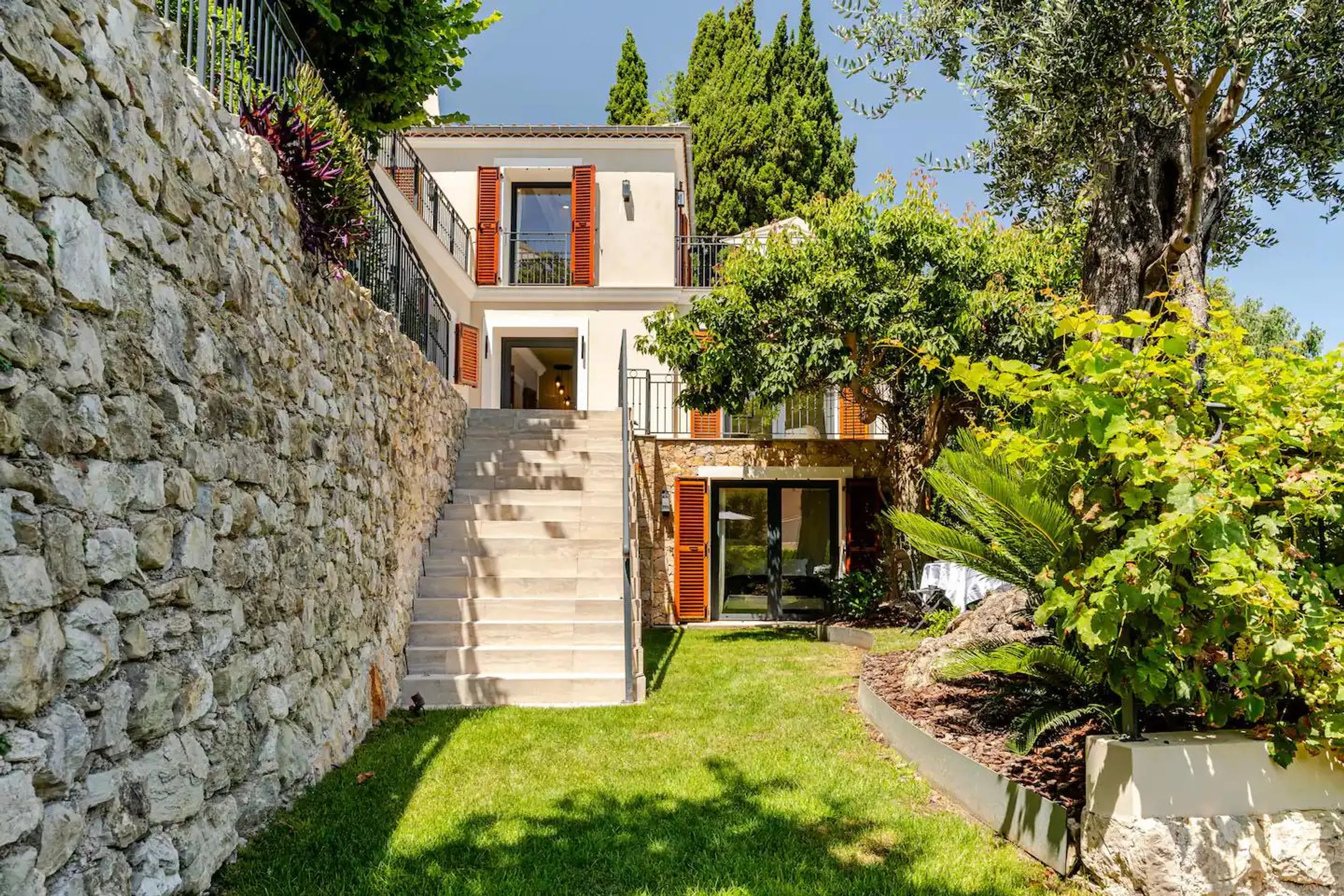
Saint Jean Cap Ferrat · 4 bedrooms · 8 guests
From $1,822.39 / night
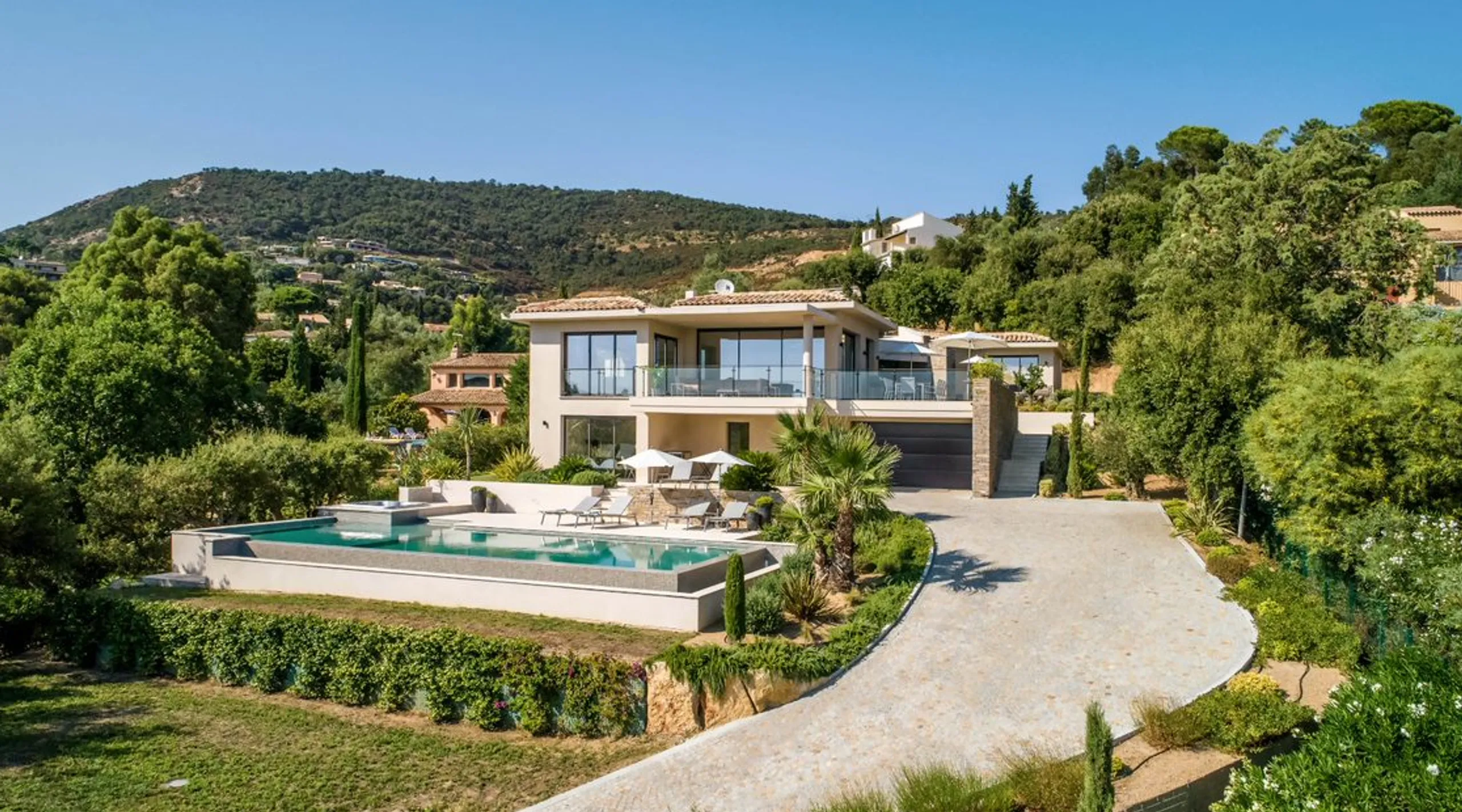
French Riviera · 5 bedrooms · 10 guests
From $1,504 / night
This collection lists 6 villas as of 2026-09-14. Country and regional pages include homes in their linked local areas. These are catalog counts, not date-specific availability.
Listed starting rates in this collection begin at $1,504 USD per night. Luxe Retreats features villas with starting rates of at least $1,200 USD. Request a written proposal for your dates, including taxes, fees, and services.
Open individual villa pages to compare photographs, bedroom counts, guest capacity, and listed amenities. Use the planning guides to identify questions about room access, meals, and transport. Share the shortlisted references with your inquiry.
A listed home is not a confirmation of availability. The team must check your dates and the applicable booking terms. An inquiry does not take payment or hold a property.
Describe your preferred meals and experiences in your stay brief. Inclusions and provider availability vary by villa and date. Ask for a written scope and price before treating a service as confirmed.
The villas shown here are a sampling of our collection. Many homes are offered as private or pocket listings. Send an inquiry with your destination, dates and preferences to request additional options by email; availability is confirmed individually.
Compare your shortlist · Understand starting rates · Send a stay inquiry
These collections span multiple destinations. Use the villa’s location to keep your shortlist in your preferred area.
Explore the French Riviera destination guide for local areas, experiences and practical planning.
The public collection is a sampling. Additional private and pocket listings can be shared by email after your French Riviera inquiry, subject to availability.
Explore the French Riviera through its gardens, coastal towns, dining rooms and island days, with detailed advice for choosing your luxury villa.
A villa on the French Riviera gives the holiday its own address: somewhere to return after the market, gather before dinner and watch the light move across the terrace. The pleasure lies in choosing a particular part of the coast and allowing its habits to become your own.
French Riviera luxury villa rentals offer a choice between quite different Mediterranean lives. Nice brings a city’s museums and food culture; Antibes connects an old town with a wooded peninsula; Cannes combines a major seafront with an older hill quarter; Saint-Jean-Cap-Ferrat concentrates gardens and coastal paths within a smaller setting. Above the shore, Saint-Paul-de-Vence, Èze and the Grasse hinterland introduce another rhythm. The strongest villa choice begins with the stretch of coast the group wants to know well.
The Côte d’Azur is particularly rewarding when a day moves between different scales. A morning in a museum, lunch in an old town and a quiet afternoon overlooking the water can belong naturally together. A hill village changes the view of the coast, while a boat outing gives the same landscape a new shape. This variety is available without attempting the entire Riviera in one week.
Choose two or three local anchors before comparing homes. They might be Nice’s cultural life, Antibes’ market and beaches, or the eastern gardens. Then let the villa supply the private space between outings. The result is a stay with a clear identity rather than a succession of distant reservations.
Nice’s official tourism guide introduces a city in which the seafront and historic neighborhoods coexist with substantial cultural life. The Promenade des Anglais gives the water a broad public stage, while Vieux Nice offers a more enclosed pattern of lanes, shops and places to eat. Cours Saleya provides a natural focus for a morning, particularly when the plan includes bringing food back to a villa kitchen.
A rewarding Nice day does not need to contain every major attraction. Begin in the old town, choose a museum or another focused visit, then leave room for lunch and a walk. The city’s different neighborhoods become clearer when there is time between appointments. A villa in the surrounding hills can make this urban day feel like an excursion into another world, even while the coast remains visible from home.
Nice is also useful for guests who want options when the weather changes. Its museums, restaurants and inhabited streets give the stay a strong cultural foundation beyond beach conditions. That can be particularly valuable outside the height of summer, when a coastal holiday benefits from a city that continues to function as more than a seasonal resort.
The Musée National Marc Chagall provides a focused cultural experience in Nice. It is best approached as a place to spend time with the artist’s work rather than a brief stop in a generic museum circuit. A visit can change the tone of a day, inviting a more concentrated kind of looking before returning to the open light of the city.
The Riviera’s artistic appeal becomes more interesting when different institutions are allowed to speak separately. A museum devoted to one artist, a modern-art foundation and a historic villa garden each ask for a different attention. Choose according to the group’s interests rather than assuming that art lovers will want the same experience every morning. One substantial visit can be enough to give the day a lasting theme.
For a private-villa stay, art need not compete with relaxation. An early cultural outing followed by a long lunch and an afternoon at home can feel generous rather than busy. The key is to avoid placing major visits at opposite ends of the coast on the same day. The landscape between them is beautiful, but it should not become the main thing seen through a car window.
Antibes Juan-les-Pins offers several holiday settings within one local area. The old town’s market and lanes provide an everyday center, while the ramparts and waterfront open toward the sea. The Musée Picasso gives a cultural visit a strong focus. Together, these elements make Antibes particularly appealing for travelers who want a town they can use repeatedly rather than visit only once.
A morning can begin around the market, continue with art and end with lunch without requiring a change of base. This compactness is valuable for groups whose interests differ. Some guests may spend longer in the museum while others explore the shops or remain by the water. The town supplies natural meeting points, allowing the shared day to contain independent hours.
The Cap d’Antibes has a different appeal, with residential surroundings and a stronger sense of being on a peninsula. A villa here should be chosen according to its actual relationship with a beach, walking route or town center. Juan-les-Pins creates another option for guests who prefer its beach and social atmosphere. These distinctions matter more than the broad Antibes label when planning ordinary days.
Cannes deserves to be considered as a town with contrasting parts. La Croisette gives the waterfront its broad, formal character, while Le Suquet introduces the older hill quarter above the port. The official Cannes visitor itinerary connects these places with Marché Forville and the city’s central streets. A visit becomes more rewarding when it includes both the famous promenade and the older townscape.
The market area can provide a lively beginning to a day, especially for travelers who enjoy food shopping. From there, a walk toward the old quarter changes the perspective on the bay. The city’s appeal is not dependent on attending a major event. Its public spaces, restaurants and coastal setting can support a satisfying day at an ordinary pace.
For a villa around Cannes, distinguish between proximity to the center and a more secluded hillside address. Major events can alter the feel of the town and the demand for transport and dining, so dates matter. Travelers who want to participate in that energy may choose accordingly; those seeking a quiet family week may prefer a different period or a home whose local life is less tied to the event calendar.
The Fondation Maeght near Saint-Paul-de-Vence offers an especially compelling relationship between modern art, architecture and landscape. It is a different experience from entering a city museum: the setting encourages movement between buildings and outdoor spaces, allowing sculpture and planting to share the visitor’s attention. Check the current exhibition alongside the permanent collection when deciding how much time to allow.
A visit to the foundation can be followed by time in Saint-Paul-de-Vence itself, but the two should not be rushed together. The village’s lanes and outlook provide a different scale from the foundation’s grounds. A meal between them can help preserve that distinction. The day becomes an encounter with two related places rather than a rapid cultural package.
A villa in the inland area around Vence can suit travelers who value art, village life and broader outdoor space. The coast remains available for selected outings, but the house’s immediate setting has its own attraction. Choose this relationship deliberately. A garden in the hills offers a different Riviera holiday from a property intended for repeated walks to the sea.
Èze introduces a more dramatic vertical relationship with the coast. Its old village occupies an elevated setting, with narrow routes and viewpoints making the approach part of the experience. It is a rewarding choice for guests who enjoy walking slowly through a compact place and seeing the sea appear in different frames. The height also changes the practical day: a village visit and a beach outing are separate undertakings, even when the water seems close.
Château de La Chèvre d’Or provides a destination-dining possibility in this setting. Choose the appropriate restaurant experience through the hotel’s current information, since its dining options have different styles and arrangements. A planned meal can be the reason to linger in Èze rather than simply passing through for a photograph.
The village is best visited with realistic expectations about steps and uneven surfaces. That practical awareness allows the setting to remain a pleasure. For a villa in the surrounding area, look at the actual route to the places the group will use. A wide view can be deeply rewarding, but it should be accompanied by a daily pattern that suits everyone staying in the house.
Saint-Jean-Cap-Ferrat offers a concentrated coastal setting where a villa stay can revolve around short outings and time at home. Its peninsula geography creates several relationships with the sea rather than a single uniform waterfront. The village, beaches and paths should be understood separately when comparing individual properties.
Villa Ephrussi de Rothschild is a major cultural reason to visit. The house and gardens show how a private estate can compose the landscape around it, using outlooks and planting to create a sequence of experiences. Give the gardens time instead of treating them only as a foreground for the villa. Their different spaces are part of the pleasure.
This kind of visit works particularly well within an eastern Riviera itinerary, alongside Villefranche-sur-Mer or Beaulieu-sur-Mer. The nearby towns have their own character and should not be collapsed into the peninsula’s identity. A house on Cap-Ferrat can make the local coast feel wonderfully self-contained, especially when the group values a small number of familiar places over a wide-ranging daily schedule.
Menton’s tourism office presents a town whose old streets, gardens and citrus culture distinguish it from the larger Riviera centers. The warm-colored façades and the relationship between sea and steep hinterland create a particular atmosphere. A visit should allow time for the old town and for one of the gardens, rather than concentrating entirely on the waterfront.
Val Rahmeh is one garden to consider through the local visitor information. The town’s association with lemons also gives food and cultivation a place in the itinerary. A properly arranged visit to a producer or garden can make that connection tangible, while a simple meal can introduce regional flavors without a formal tasting agenda.
Mirazur offers a destination restaurant whose experience is connected with its gardens and setting. It is a coherent choice for an eastern stay, with current arrangements best reviewed directly. Menton should be treated as a substantial destination if traveling from farther west. Its appeal is strongest when there is time to enjoy the town around the meal, not only the reservation itself.
The country around Grasse gives the Riviera another subject through perfume and cultivation. A visit to a museum or producer can explain how fragrance connects with agriculture, craft and trade. Choose an experience that offers meaningful interpretation rather than assuming every commercial stop provides the same depth. The inland landscape helps make sense of a product that might otherwise seem detached from place.
Mougins provides another village setting to consider, particularly when the group wants a home whose days are not organized entirely around the shore. A villa in the hills can offer a strong feeling of retreat while keeping coastal towns available for planned visits. It is an appealing choice for guests who enjoy a garden, long meals and selective outings.
The inland Riviera should not be sold as a compromise. It is a different way to stay, with village life and countryside taking a larger role. The important question is whether the group welcomes driving for beach days. If the sea is expected to be part of every morning and evening, a closer coastal address may better match the brief. If privacy and outdoor living are central, the hills deserve serious attention.
The Riviera’s food culture is not limited to destination restaurants. Nice’s Cuisine Nissarde program is a useful reference for finding establishments connected with local cooking. Socca, pissaladière and other regional dishes give a casual meal a clear sense of place. Let these smaller encounters share the week with a formal dinner.
A market visit becomes particularly useful during a villa stay. Ingredients can return to the kitchen, and lunch can remain simple after a morning out. A chef evening offers another way to explore local produce while enjoying the home’s terrace and dining spaces. Our private-chef dining guide explains how to agree on a menu and the desired level of service.
The most enjoyable dining pattern usually varies. A village lunch, a carefully chosen restaurant and an evening at home each serve a different purpose. Avoid letting reservations dictate the entire geography of the week. The magazine’s Riviera stay guide helps connect those choices with the style of holiday the group actually wants.
Summer places a premium on shade, water and comfortable outdoor living. Spring and autumn can favor gardens, art and town walks, while winter can suit a more cultural stay based near year-round urban life. Nice’s airport is a useful gateway for much of the coast, but the arrival plan should follow the precise property. Trains can help with some town-to-town journeys; hillside villas often call for a car or organized driving.
Saint-Tropez is a distinct western option, best explored as its own base through the St. Tropez collection. For any Riviera home, the villa privacy guide helps assess the relationship between outlook, neighboring properties and outdoor spaces. Inquire about the French Riviera with your preferred area and dates. Public villas are a sampling; additional private or pocket listings may be shared by email after inquiry, subject to availability.
Begin with the hour you most want to enjoy. If it is breakfast above the water, prioritize the terrace’s outlook and morning comfort. If it is a walk to dinner, examine the route from the front door to a town you actually want to use. If it is a long afternoon with friends, look closely at the pool, shade and seating. These are three different versions of Riviera luxury. A property can be excellent without serving all three equally well, and a clear preference helps the right home emerge.
An appealing photograph often concentrates on a single view. Ask what lies outside the frame: the path to the pool, neighboring terraces, the road below and the bedrooms used by the rest of the party. Privacy has several dimensions. A screened garden may still receive sound from a nearby street; an open panorama may be peaceful but visible from another property. Explain whether your priority is quiet, discretion, seclusion or easy access. Those wishes deserve individual answers instead of a general assurance that the villa is private.
For couples sharing a house, the balance between bedrooms can matter as much as the largest suite. Request room dimensions and bathroom arrangements if parity is important, and decide in advance how rooms will be allocated. Families may favor bedrooms clustered together. Friends with different sleeping patterns may value separation. The house should support the relationships within the group. A beautiful common area is most enjoyable when everyone also feels comfortable in their own part of the property.
Our French Riviera villa collection should be read with that personal brief in hand. Keep two lists: the essentials that determine suitability and the preferences that make a place especially appealing. This avoids trading a necessary detail for a dramatic view during the excitement of selection. Once the practical decisions are settled, the pleasures can be simple: doors opened to the terrace, coffee served where the light is best and the freedom to decide how much of the day belongs outside.
The most satisfying Riviera dining week has contrast. Let a regional lunch share space with a serious restaurant occasion and a meal made for the villa. In Nice, local dishes can introduce flavors without requiring a long tasting menu. In Menton, a reservation at Mirazur can become the focus of a dedicated outing. At home, an evening with a separately arranged cook can keep the conversation uninterrupted. The experience improves when every meal is allowed its own scale instead of competing to be the grandest moment.
Choose the formal occasion according to the people attending. Some guests enjoy several hours at the table and detailed conversation about ingredients; others would rather have a shorter meal with a lively view. Discuss expectations before reserving. Children, food preferences and the desired finish time all belong in the brief. A restaurant can only advise well when the party describes its needs accurately. Having a celebrated name on the itinerary is less important than choosing an evening everyone will enjoy.
The private chef’s first conversation should cover the atmosphere as well as the menu. Would you like dishes brought to the table for sharing, a sequence of plated courses or a relaxed meal that allows people to arrive from the pool? Confirm staffing, shopping, cleanup and timing. A leisurely lunch requires a different plan from a surprise birthday dinner. Ask what can be sourced locally for your dates and let that discussion shape the meal, while avoiding assumptions that every ingredient mentioned in a travel article will be available.
For an eastern stay, the guide to Riviera dining occasions connects the setting of a meal with the surrounding day. It is useful to reserve a few key tables early and leave other evenings open. That flexibility allows the group to repeat a favorite restaurant, enjoy unexpected produce from a market or remain at home when the terrace is particularly inviting. A holiday gains character from those decisions made while you are there.
A day afloat can change the scale of the coast. The immediate task is choosing the outing that suits the group: a short private cruise, a longer day with swimming stops or a scheduled crossing to an island. Start with time on the water rather than a list of places to reach. A party traveling with small children may prefer a manageable duration and a straightforward return. Enthusiastic swimmers may care more about the conditions at the chosen stopping places than about passing every recognizable landmark.
With a private charter, ask for a complete description of the proposal. Departure port, vessel type, capacity, crew, refreshments, fuel arrangements and the weather policy should be clear. Discuss shade and the practical way people enter and leave the water. If anyone is uncomfortable with ladders or a moving boarding point, raise that before booking. The boat should fit the guests, rather than the guests having to adapt to a vessel selected only for how it looks in photographs.
The islands near Cannes offer another approach. A crossing followed by time ashore can appeal to travelers who want the sea journey without making the entire day a boat experience. Saint-Honorat’s abbey gives a visit a particular focus; choose an itinerary consistent with the place’s character and current visitor guidance. Confirm the return sailing before relaxing into the afternoon. Pack lightly, but include the shoes, water and sun protection that allow you to enjoy the island on its own terms.
On returning, give the evening room to unfold. A simple supper and comfortable clothes may be preferable to another departure. If a significant restaurant reservation follows a boat day, build in more time than the scheduled docking suggests. Weather, disembarkation and the journey back to the house can all affect the transition. The most graceful itinerary does not depend on every connection being exact. It leaves enough space for the guests to arrive at the next experience ready to enjoy it.
A cultural holiday becomes more personal when the group chooses what genuinely interests it. There is no need to visit every institution associated with a famous artist. One museum, one garden and a carefully selected village can provide three very different ways of looking. Read about the current displays before deciding, and consider whether a guided visit would add something meaningful. A small amount of preparation allows the experience to be richer without turning the holiday into an academic exercise.
The Chagall museum’s official site should be checked close to the date, particularly for exhibition changes and temporary access arrangements. At our October 6, 2026 review, the official museum website carried notices of partial room closures and a midday break. A flexible cultural day can accommodate such details. A rigid sequence of prepaid stops is less forgiving. If a particular room or work is central to your interest, contact the institution rather than assume it is always available because it appears in a general description.
Children may engage most readily with a visit that has a clear, limited focus. Ask them to choose a favorite color, sculpture or garden space and leave time afterward to talk about it. Adults should have the same permission to be selective. A museum need not be consumed completely to be worthwhile. A thoughtful hour followed by a lively lunch can become a stronger memory than several hours spent continuing because the itinerary says there is more to see.
The Riviera gardens and art itinerary considers how to create that balance. Use it to identify a few encounters rather than an exhaustive circuit. Leave room afterward for the villa: a book in the garden, a sketch, a swim or simply conversation. The region’s cultural appeal and its leisure appeal work well together when neither is treated as an obligation. The day should leave you with something to remember and enough energy to enjoy remembering it.
The first afternoon sets a useful rhythm. Arrange a transfer appropriate to the group and its luggage, confirm the exact entrance and decide what everyone will eat before making a demanding dinner reservation. A welcome meal, grocery delivery or simple local restaurant can each work, provided the arrangements are explicit. International travel is not a reliable foundation for a tightly timed tasting menu. The first evening should allow people to settle into the house, shower and discover the spaces they will share.
Ask for a practical introduction to the property. Cooling controls, outdoor lighting, gates, alarms, pool arrangements and the household contact should be explained clearly. Find out how housekeeping is scheduled and where guests should leave any requests. People who arrive later need the same information, so nominate a straightforward way to share it. This prevents one member of the party from becoming the sole keeper of every code, instruction and appointment for the entire holiday.
Once bags are unpacked, keep the first outing modest. A nearby bakery or a short walk can establish the neighborhood without consuming the day. If a car is part of the plan, understand parking and the approach before setting out for a distant dinner. The pleasure of a private address grows as small uncertainties disappear. Knowing where to buy breakfast or where a driver can turn around makes the next morning feel more like the beginning of a stay and less like another travel day.
For split arrivals, coordinate meals and room access with the property team in advance. A late guest may need something different from those who arrived at lunchtime. Clarify whether a staff member will be present and how any after-hours arrival works. These arrangements are individual to the villa and should be confirmed in writing. A generous welcome does not need to be elaborate; it needs to match the circumstances of the people walking through the door.
Plan around the youngest and least mobile members of the party without assuming they want identical days. A morning outing can suit almost everyone if it has a sensible duration, a comfortable meeting place and an easy way to leave early. Some guests may return to the house after lunch while others continue exploring. The villa can support this independence when transport is arranged and everyone has access information. Togetherness becomes more enjoyable when participation does not require the same pace at every hour.
For young children, review the pool, terraces and internal circulation in detail. Ask about gates, barriers, steep drops and bedroom placement. For older relatives, discuss the route from the vehicle to the entrance, the availability of a suitable bedroom and the steps to shared outdoor areas. Broad descriptions such as family-friendly or easy access are not substitutes for exact information. Photographs and floor plans can help identify questions that would otherwise emerge only after arrival.
Meals are another opportunity to simplify the holiday. An early supper for children and a later adult dinner may work well with an agreed service plan, while another family prefers one shared meal. Make those preferences known before confirming a chef. For restaurant outings, ask about suitable menu options and the expected duration. A shorter, successful evening can be more luxurious for the whole family than a formal occasion prolonged beyond anyone’s comfort.
Build in familiar rituals. Breakfast in the same shaded corner, a regular swim or an evening game can give the week a sense of home without making it routine. The Riviera supplies enough variety outside the gate; the villa can supply continuity. Family travel often succeeds through that combination. There should be discoveries worth talking about and a comfortable place where nobody needs to perform enthusiasm for the next attraction.
Outdoor living is central to the villa experience, yet comfort changes throughout the day. Ask how the property works at breakfast, lunch and dinner rather than looking only at a sunset image. A shaded dining table, an alternative seating area when the wind rises and a practical connection to the kitchen can matter more than the size of the grounds. If the group intends to spend substantial time at home, request enough detail to imagine a full day there.
Cooling and pool arrangements should also be specific to the dates. Confirm which bedrooms and living areas have air conditioning, whether a pool can be heated and whether heating involves an additional charge. A spring garden holiday and an August family stay create different requirements. Do not infer that an amenity is included simply because it appears somewhere in a property description. The written booking terms should reflect the features on which the group’s comfort depends.
Clothing can follow the same practical variety. Bring something suitable for uneven village streets, a layer for an evening outdoors and the appropriate dress for any confirmed restaurant occasion. Packing only for the beach can make an inland day or a formal meal unnecessarily awkward. Conversely, the villa should offer plenty of hours when the simplest clothes are the right choice. The best luggage serves the actual itinerary instead of an imagined Riviera dress code.
For a quieter season, put greater weight on indoor comfort. A generous dining room, pleasant sitting areas and a town with year-round life can make the holiday satisfying when beach weather is uncertain. Nice is particularly useful to consider for a cultural stay, while an isolated coastal address needs a clear reason for its selection. The question is what will make the guests content on an ordinary day, including one that does not resemble the photograph that first inspired the trip.
A longer stay can combine the Riviera with another landscape, but the transition deserves its own space. Provence shifts the emphasis toward inland villages and countryside; Tuscany offers a different cultural and culinary framework. Compare the experience you want from each half of the journey before designing transport. A second destination should add a meaningful contrast, rather than exist only because it is possible to reach it.
A split between the eastern coast and St. Tropez can also be worthwhile when both areas hold genuine priorities. It allows local routines on each side instead of repeated long excursions from one address. Keep the move uncomplicated: pack, travel, have a relaxed meal and arrive. Avoid making a transfer day carry the burden of an important celebration or a precisely timed cultural visit. The holiday will feel more polished when the plan acknowledges that changing homes takes effort.
For travelers considering an Italian continuation, Lake Como provides a distinct way to experience villas and water. It should be evaluated as its own stay, with appropriate time for travel and settling in. Similar visual themes do not mean identical practical arrangements. Each region deserves a new brief based on its geography and the group’s priorities. Carry forward what you learned about how everyone enjoys traveling, rather than copy the same daily schedule into a different setting.
Before confirming an extended itinerary, ask whether fewer addresses would create a better holiday. A second week in one house can allow new friendships, favorite shops and a more relaxed knowledge of the local area. That is a real form of discovery. Moving on can be exciting, but staying long enough to feel familiar can be equally rewarding. The right choice depends on whether your party is seeking variety, depth or a considered measure of both.
Before confirming the final plan, ask each guest for one thing they particularly want from the holiday. The answers may be surprisingly modest: a morning alone, a reliable place to swim, a memorable meal or time with relatives rarely seen. Use those wishes to shape the week alongside the major outings. A villa stay can accommodate different pleasures when the essentials are understood and the calendar retains enough space. The result feels personal because it reflects the people traveling, as well as the destination.
If the villa stay marks a birthday, anniversary or reunion, describe the occasion when discussing the property. A private dinner for registered guests and a larger event are different requests. Confirm visitor numbers, music arrangements, service access and any restrictions before commissioning flowers or entertainment. The most enjoyable celebration fits naturally within the home and its agreed use. It does not depend on discovering after arrival that the original plan asks more of the property than it can accommodate.
Consider what would make the occasion personal. A favorite dish, a carefully chosen bottle, a family photograph or time for everyone to speak may matter more than elaborate staging. Give the person coordinating the meal a clear schedule, then avoid filling every minute. Guests should have time to get ready without rushing back from an ambitious outing. A celebration at the villa can be particularly memorable because the evening continues in familiar surroundings, with no need to gather coats and arrange the return journey.
Afterward, leave the following morning gentle. A late breakfast and time around the house let the occasion remain part of the holiday instead of an interruption to a demanding itinerary. The Riviera offers plenty to explore, but a gathering of people who rarely have this much time together deserves room of its own.
Reserve the villa, essential transport and the few experiences that would genuinely disappoint you to miss. Leave room around those commitments for weather, appetite and time at home. A restaurant-led trip may need earlier dining decisions, while a family week usually benefits from more open afternoons and a reliable local routine.
A view and an accessible swimming beach are separate features. Ask for the exact route to the named beach, the surface underfoot, gradients and any road crossings. If the group wants daily swims in the sea, this should be part of the original property brief rather than a detail checked after booking.
Consult the original sources for current reservations, seasonal access and opening information.