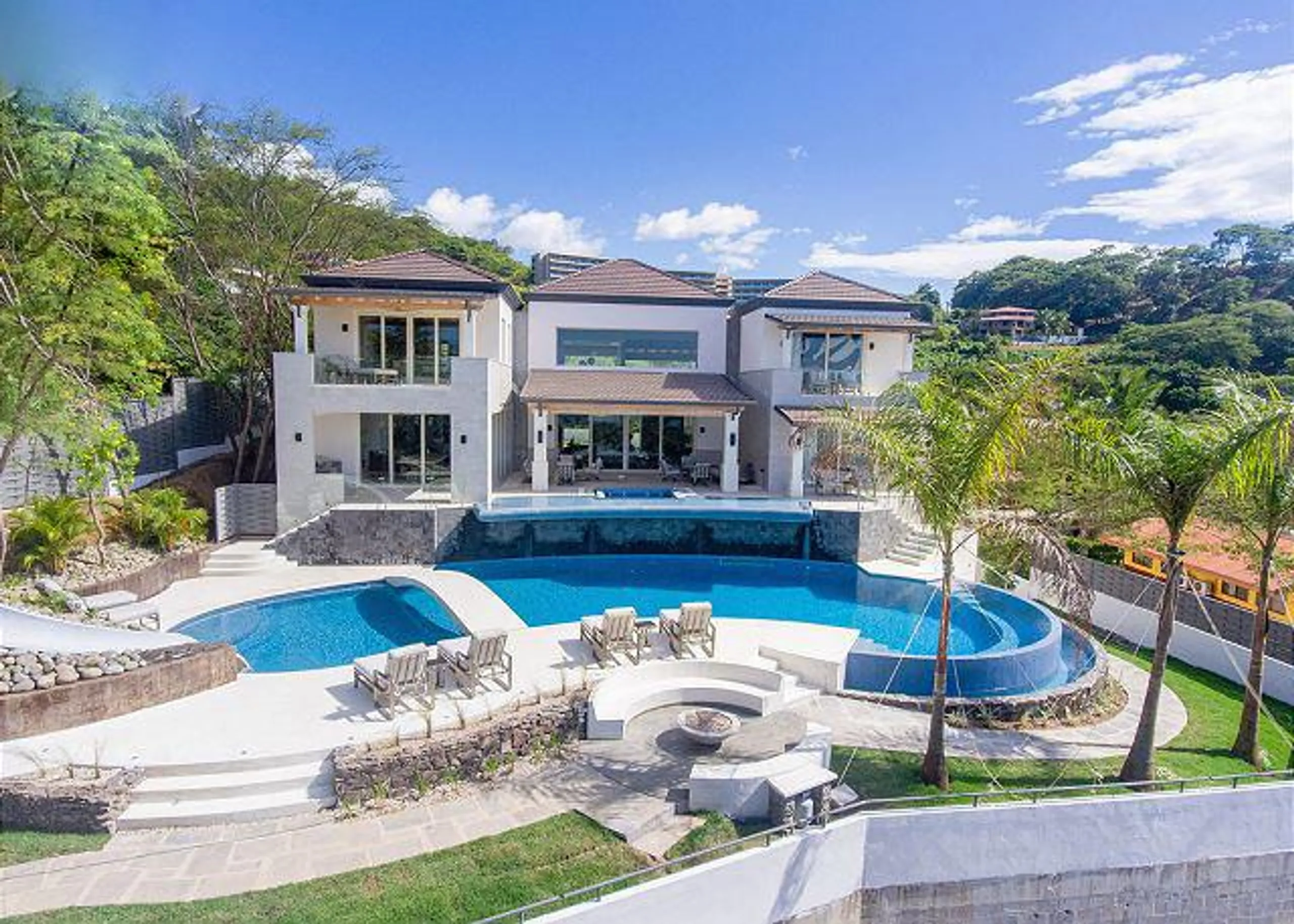
Tamarindo
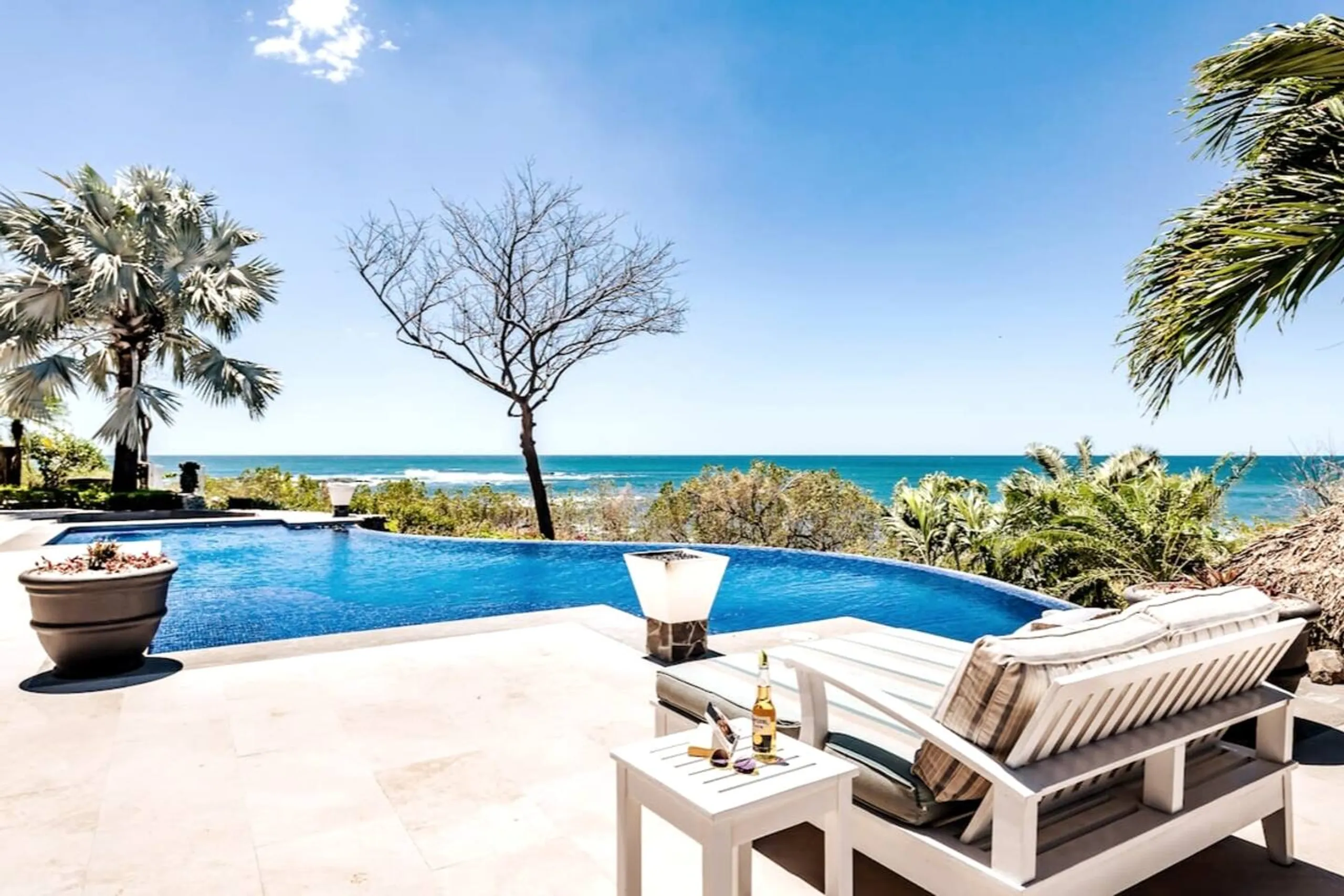
Tamarindo's Elite 8-Bedroom Beach Villa with Resort Amenities
8 bedrooms · 22 guests
From $4,425 USD / nightInquire ↗
BEYOND THE PUBLIC COLLECTION
The villas below are just a sampling. Many homes are offered as private or pocket listings. Tell us your dates and what you have in mind, and request a personal selection by email.
Inquire for private listingsFor a North Pacific stay, compare the Guanacaste areas before choosing a property. Costa Rica’s tourism board identifies Liberia’s Daniel Oduber airport as a gateway to this region and lists Tamarindo, Flamingo, Conchal, and Papagayo among its tourism areas. Tamarindo combines surfing with dining and nightlife; Nosara and Guiones are associated with surfing and yoga. Match that setting to the pace your group wants, then confirm the actual transfer to your villa.
Location source: Costa Rica Tourism Board — Guanacaste, consulted 14 September 2026. Read our Costa Rica planning questions.
THE PRIVATE COLLECTION
Showing 1–24 of 42 villas. Current pricing and availability require confirmation.
Tamarindo
8 bedrooms · 22 guests
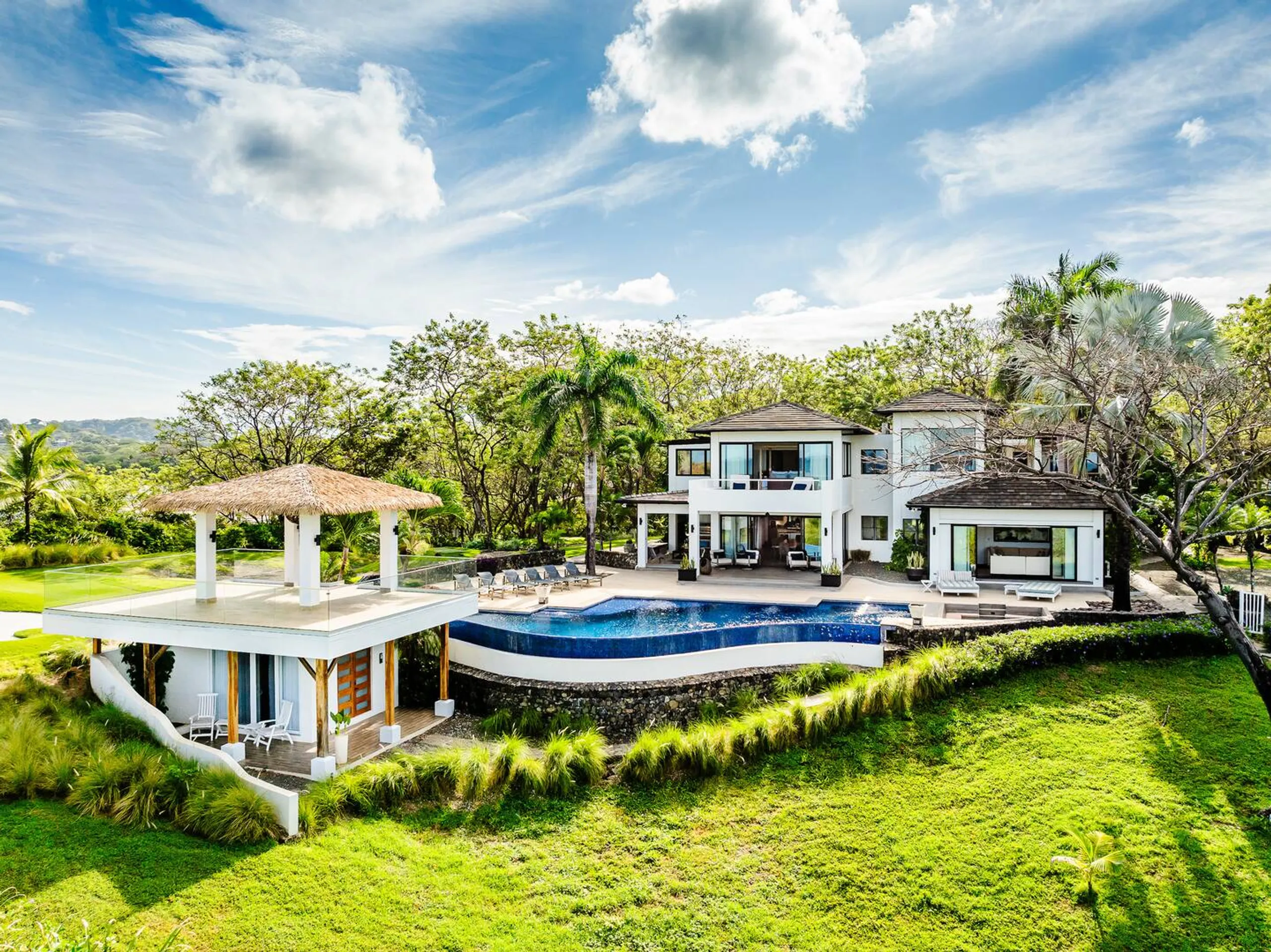
Tamarindo
7 bedrooms · 14 guests
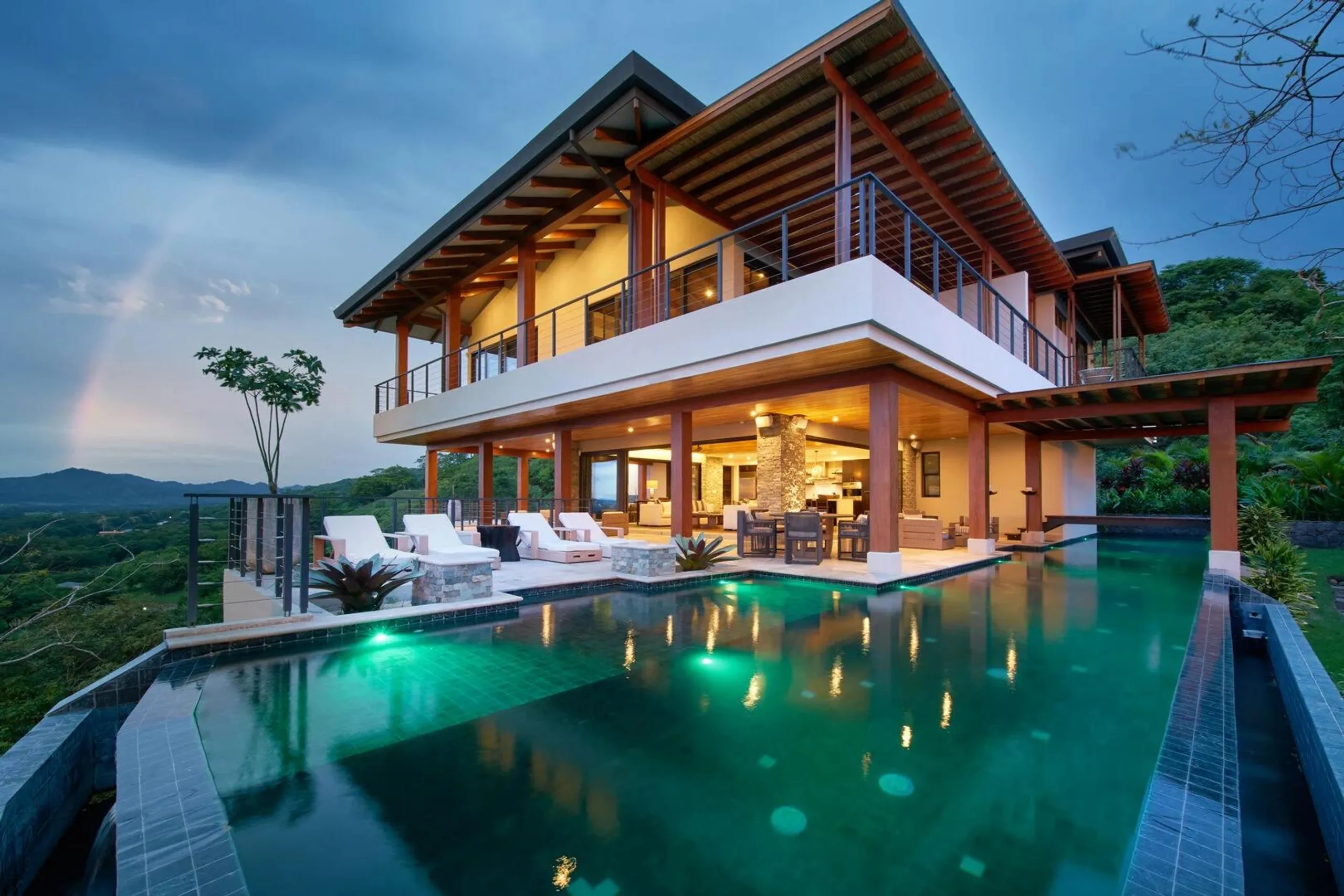
Tamarindo
5 bedrooms · 14 guests
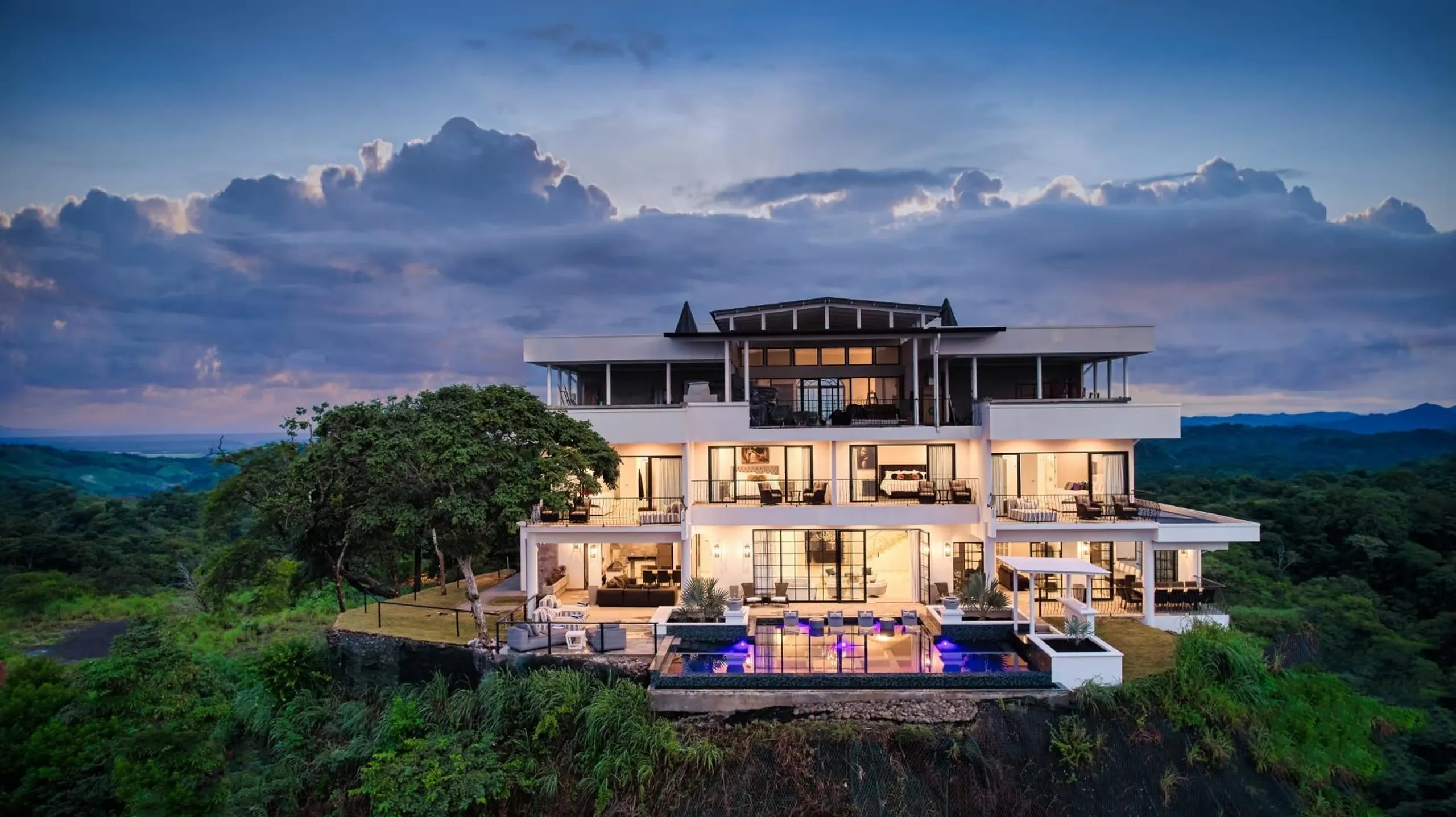
Playa Hermosa GC
7 bedrooms · 18 guests
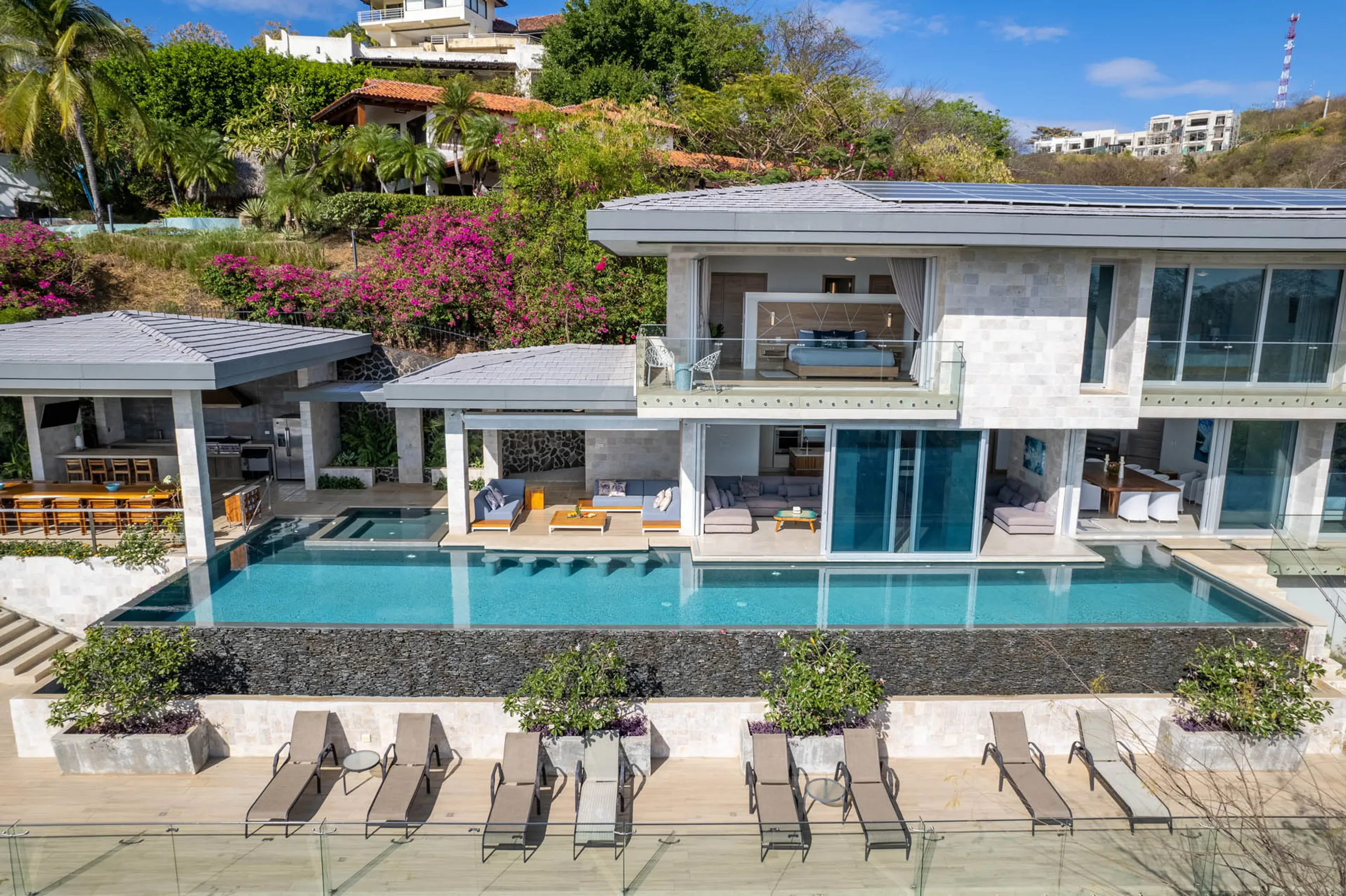
Tamarindo
15 bedrooms · 30 guests
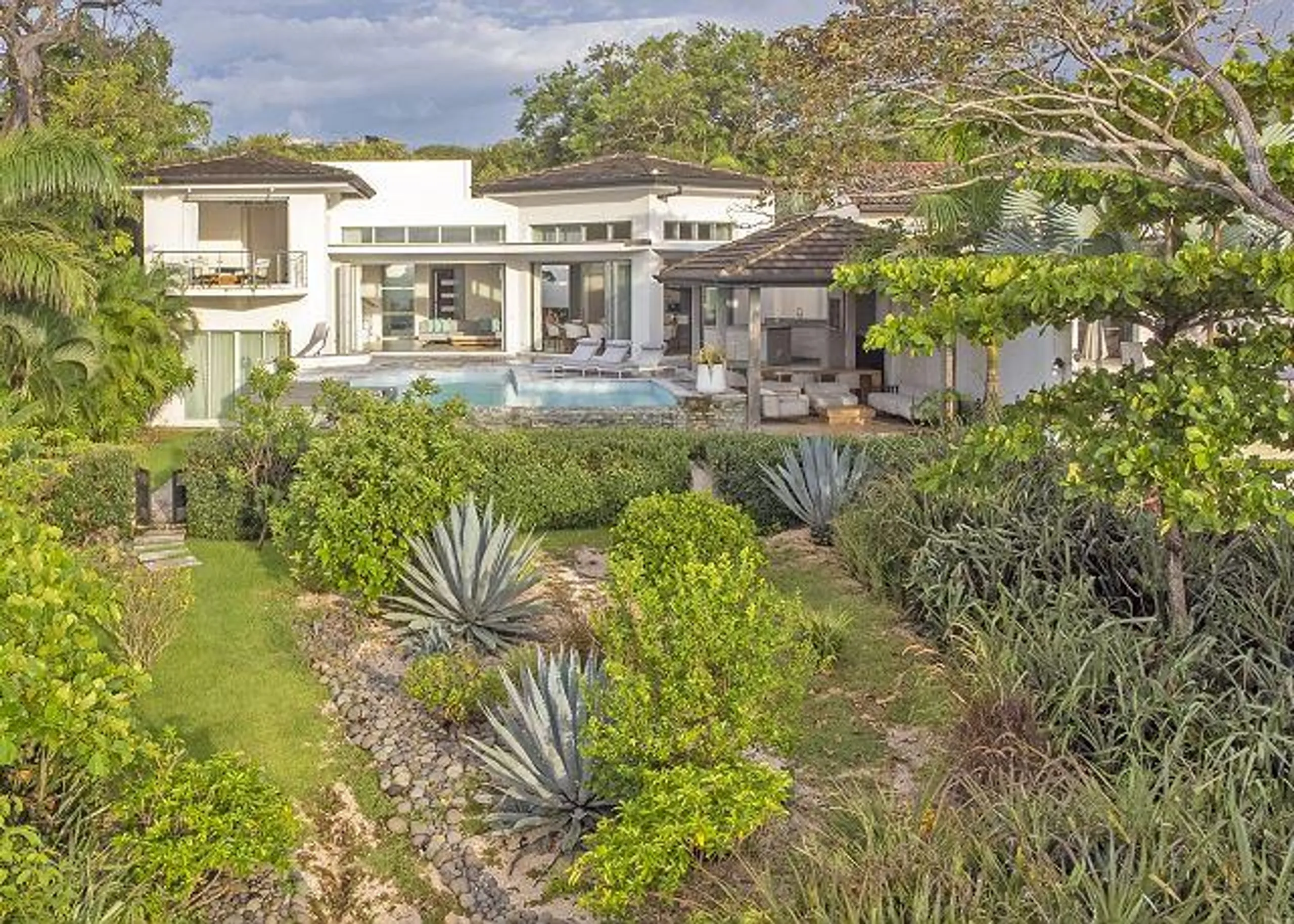
Playa Langosta
6 bedrooms · 12 guests
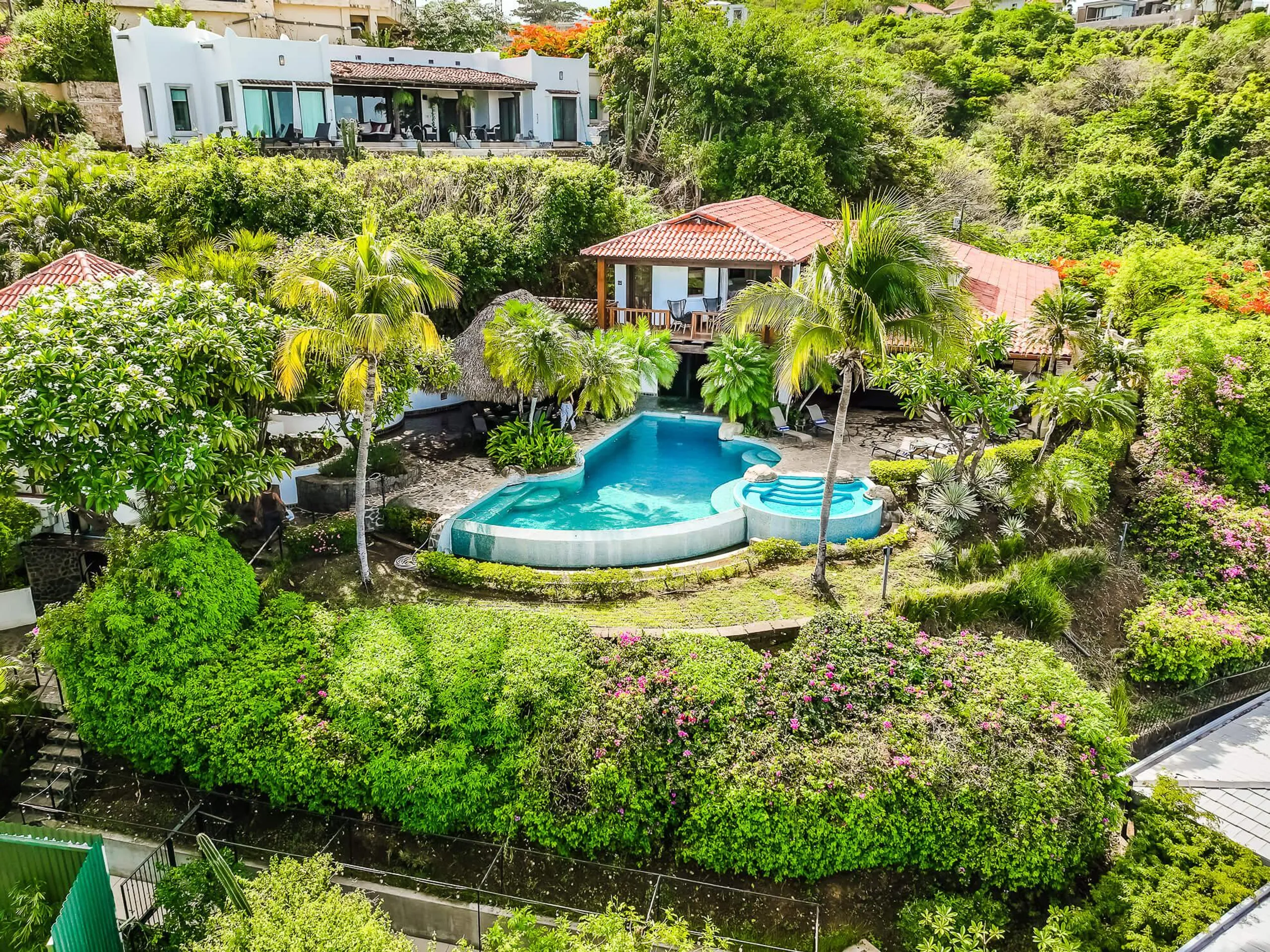
Tamarindo
15 bedrooms · 30 guests
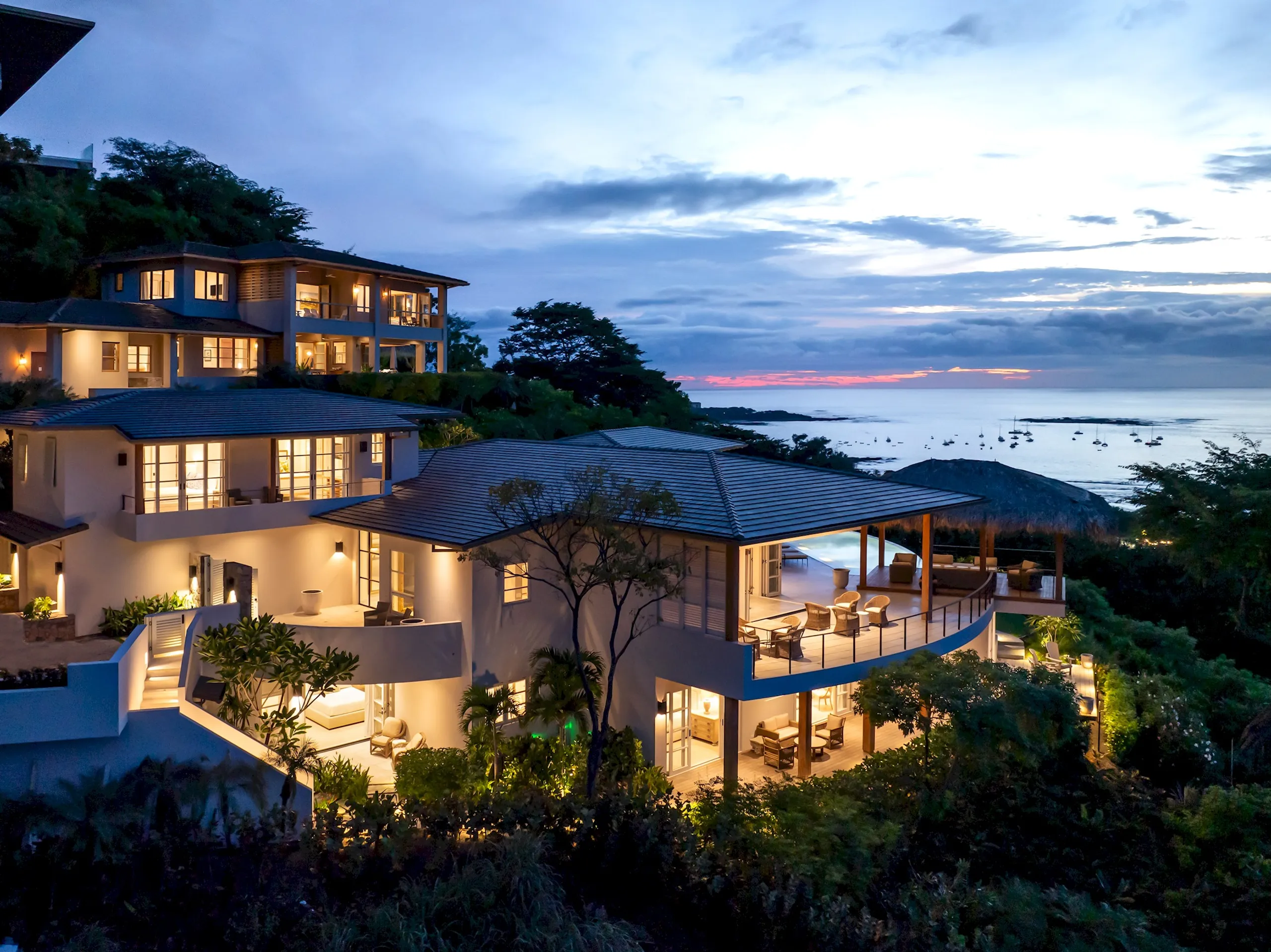
Tamarindo
10 bedrooms · 23 guests
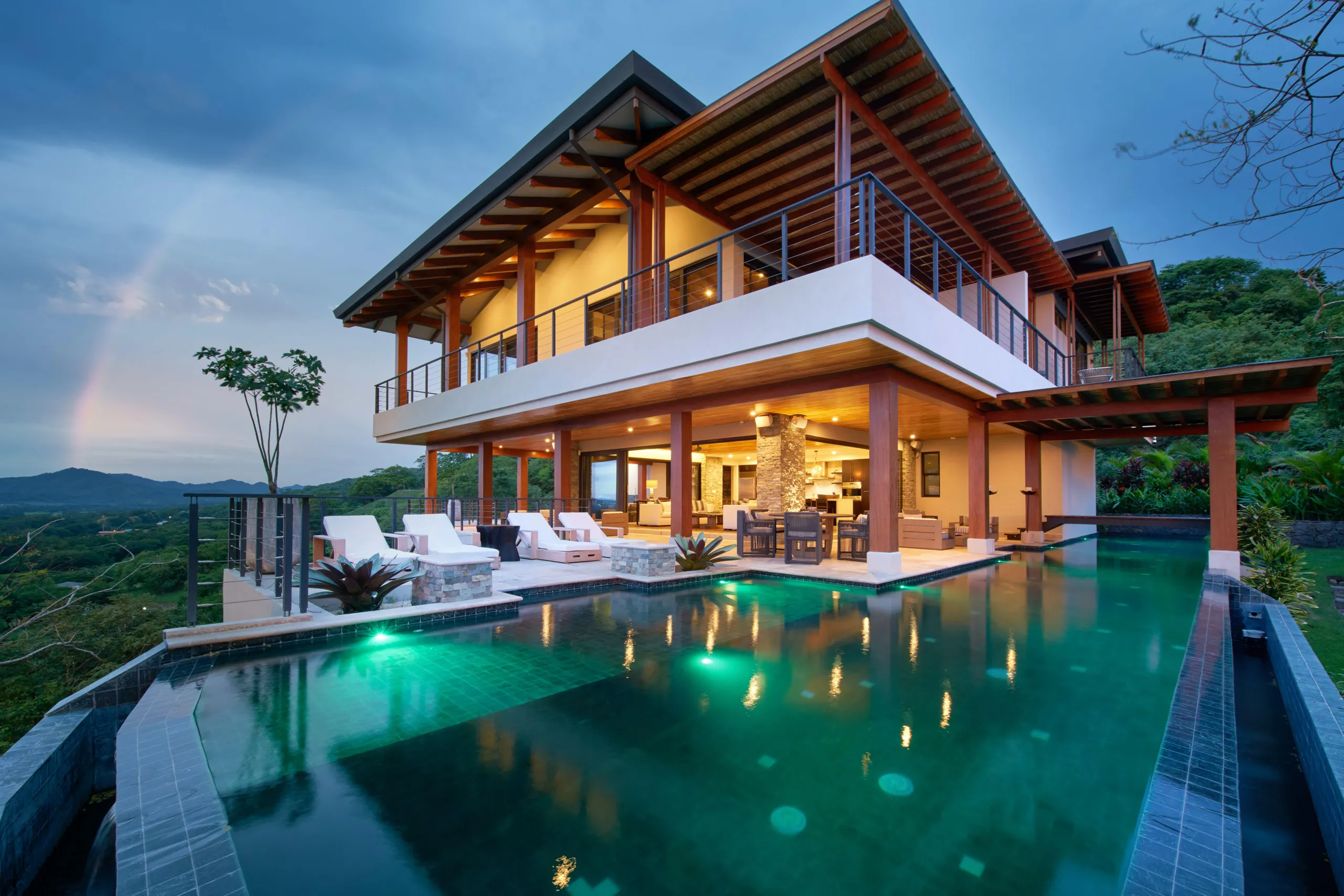
Tamarindo
5 bedrooms · 10 guests
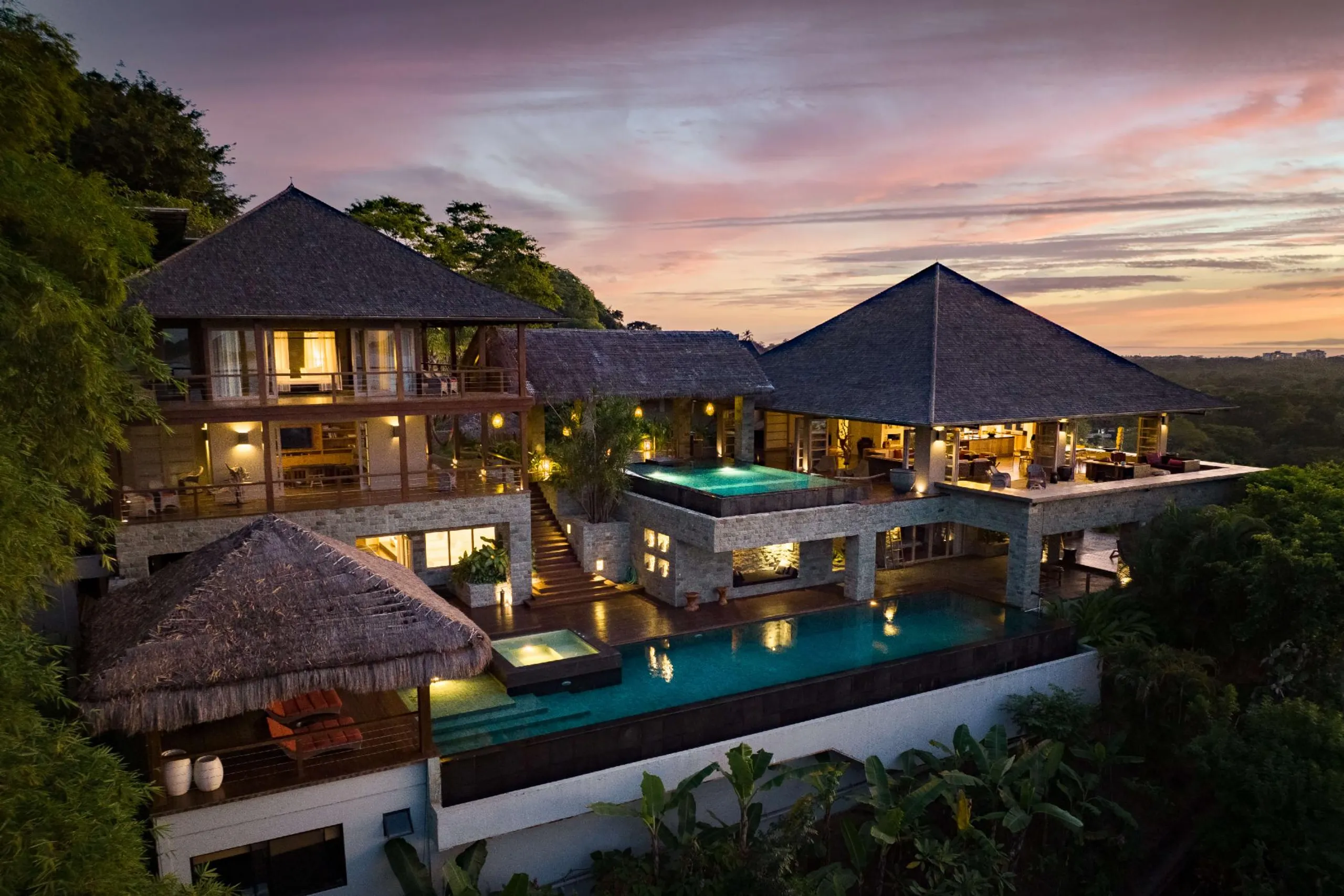
Tamarindo
8 bedrooms · 19 guests
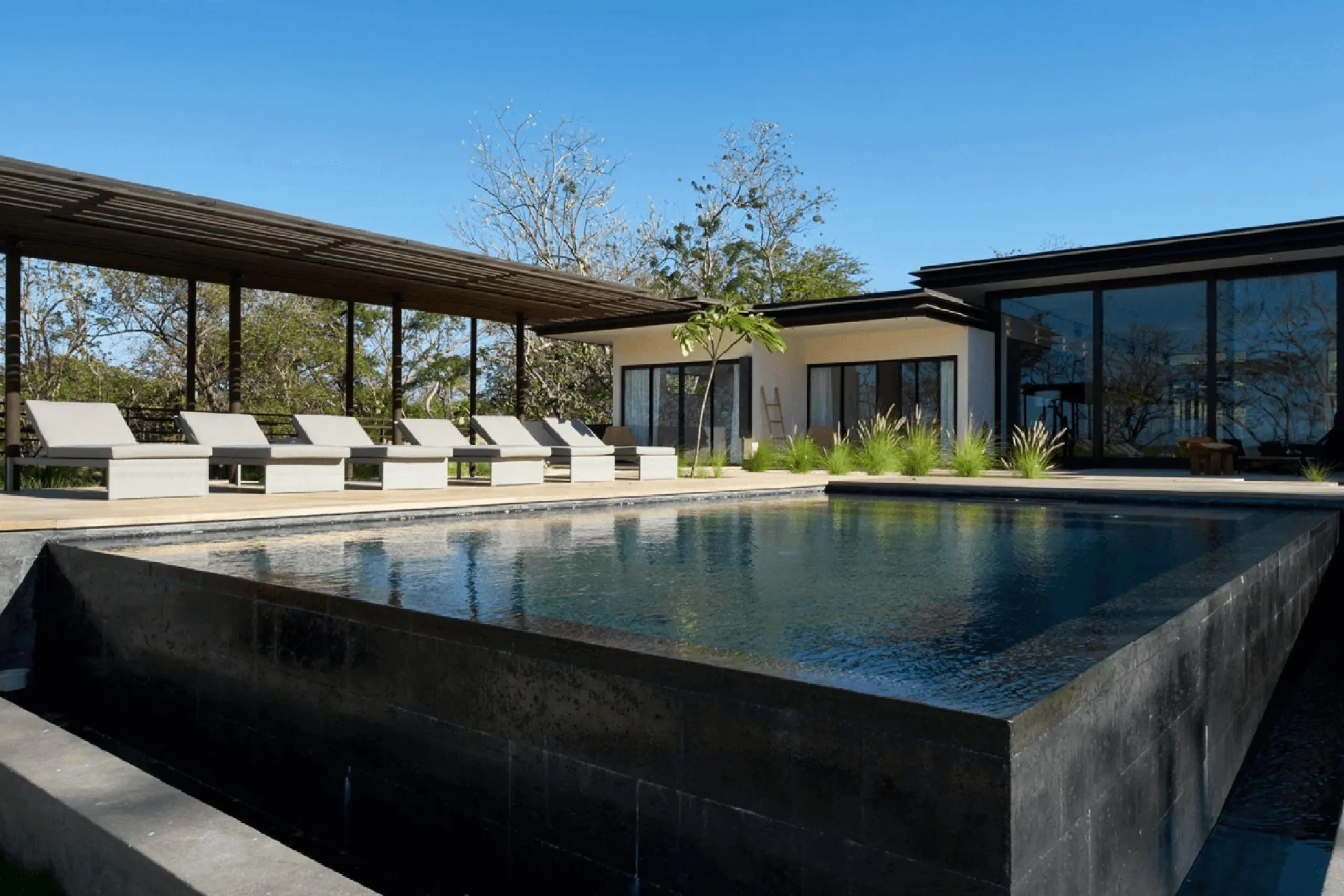
Playa Langosta
8 bedrooms · 20 guests
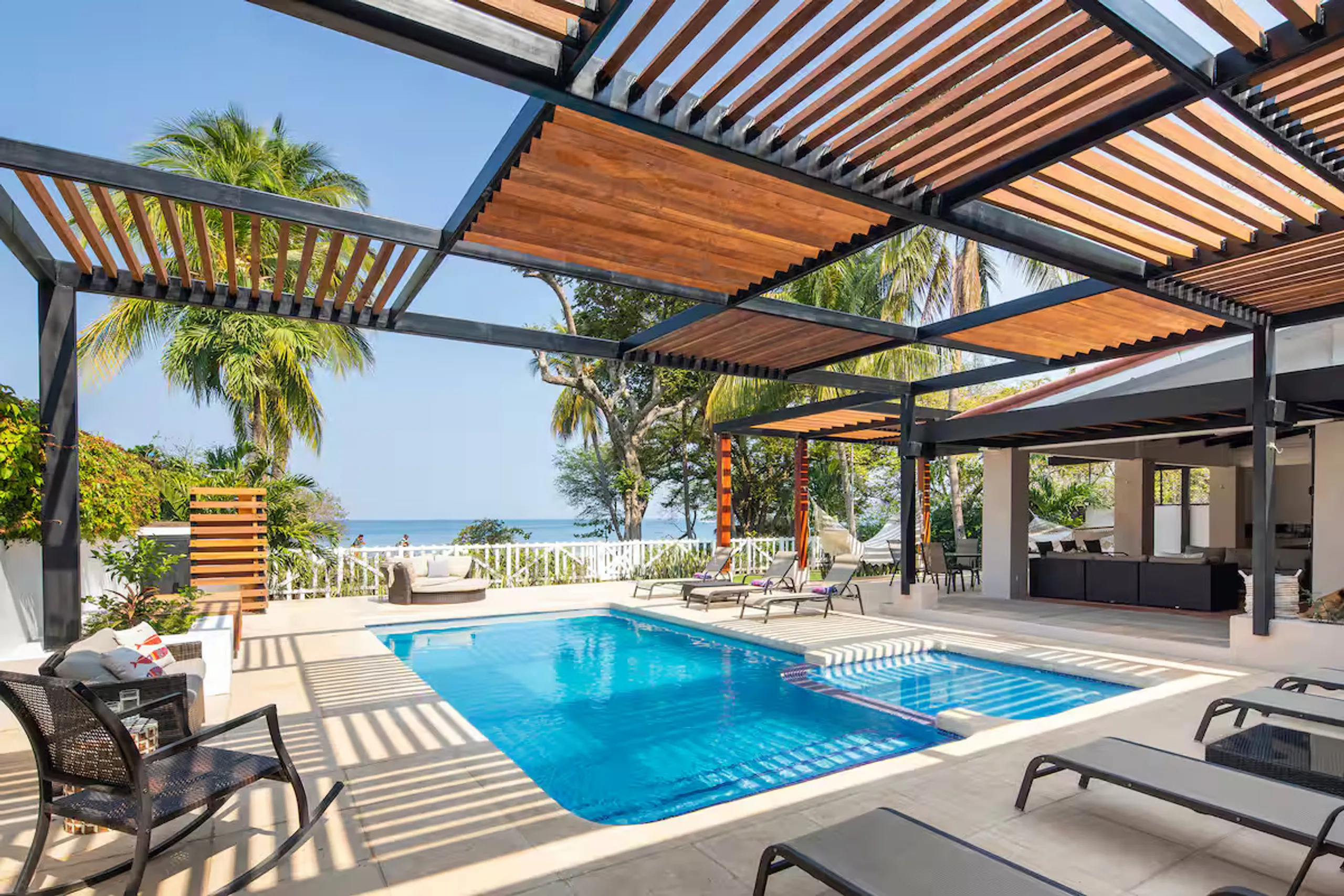
Playa Hermosa GC
8 bedrooms · 16 guests
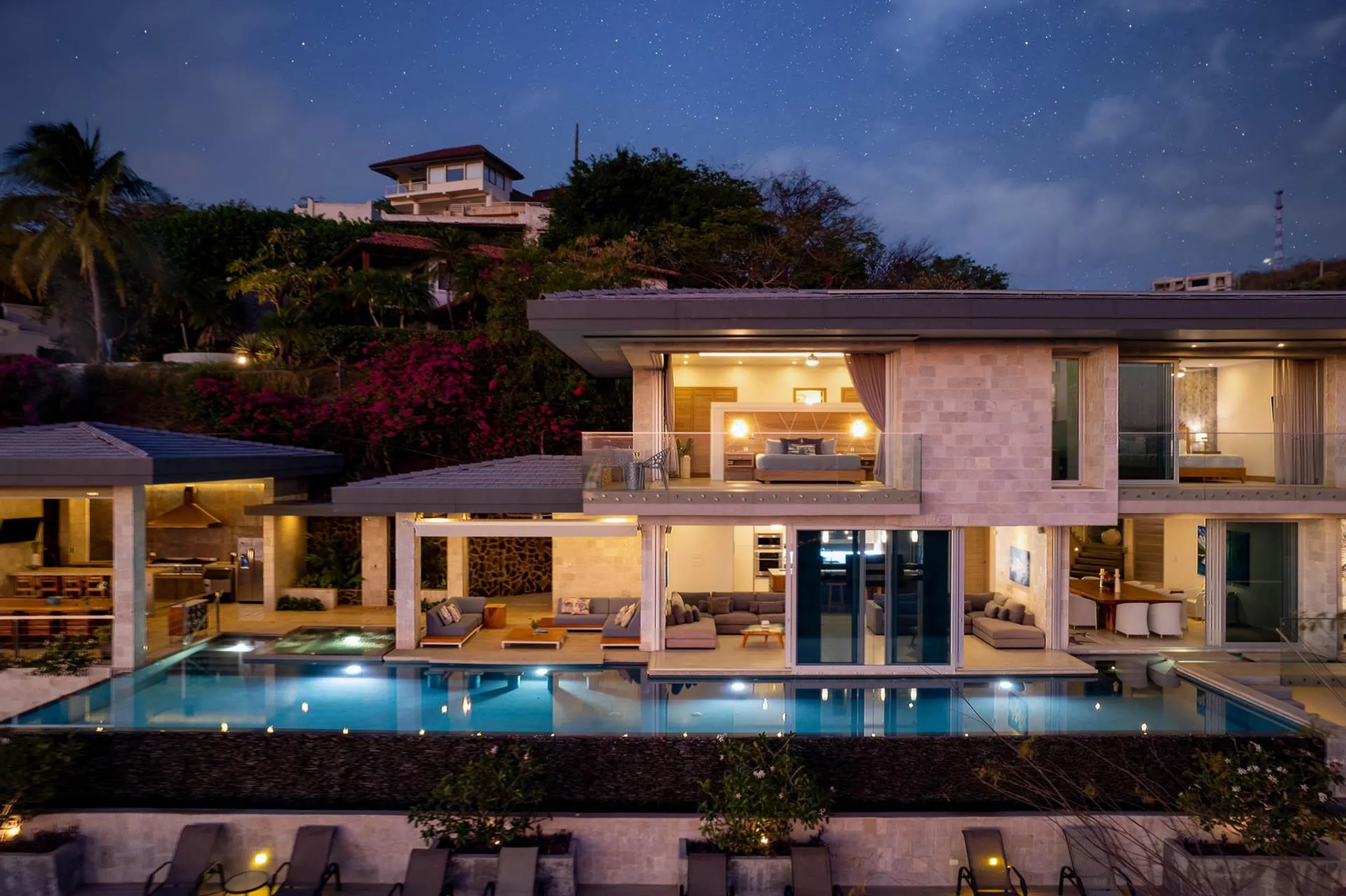
Tamarindo
14 bedrooms · 28 guests
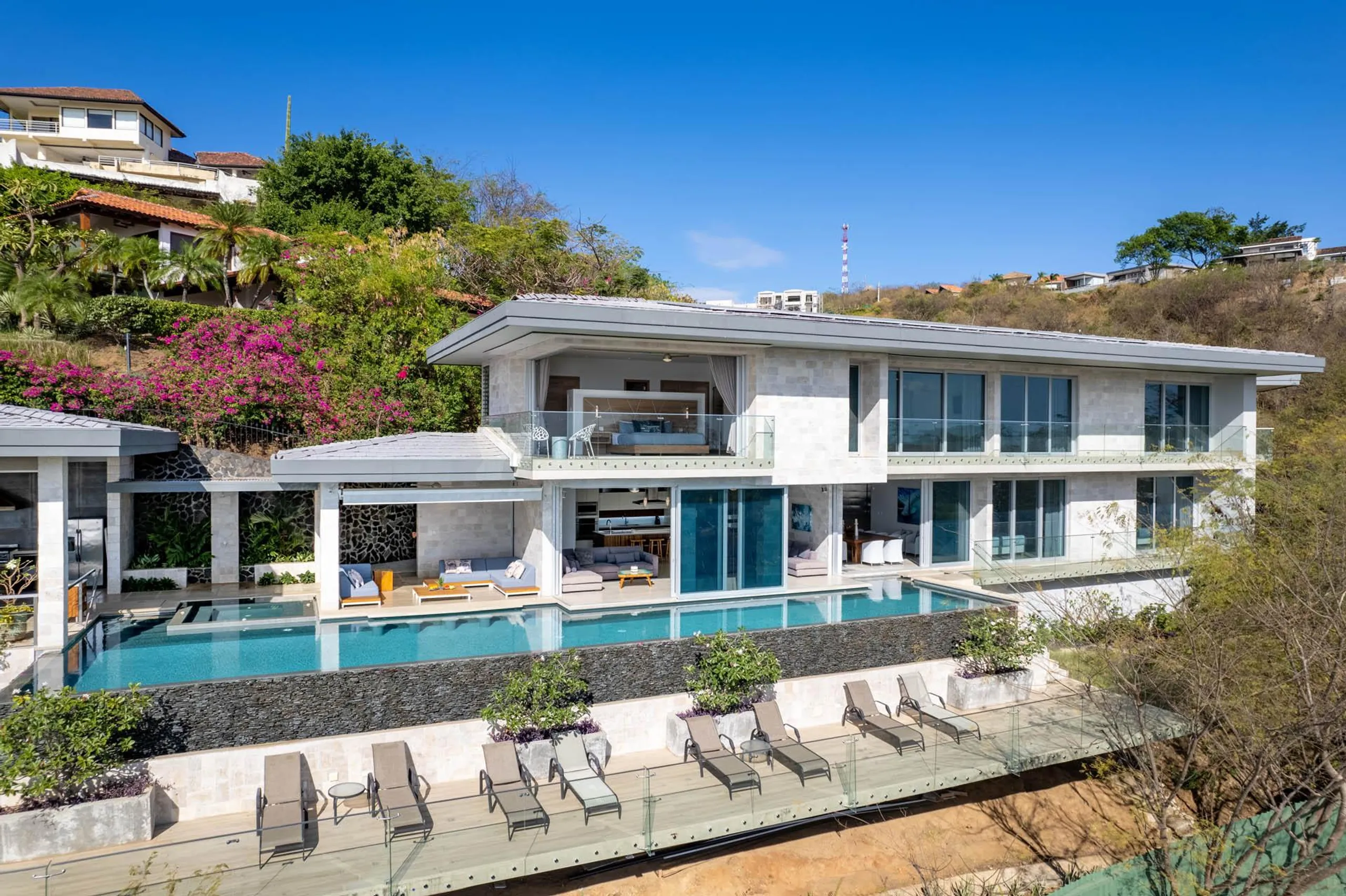
Tamarindo
9 bedrooms · 18 guests
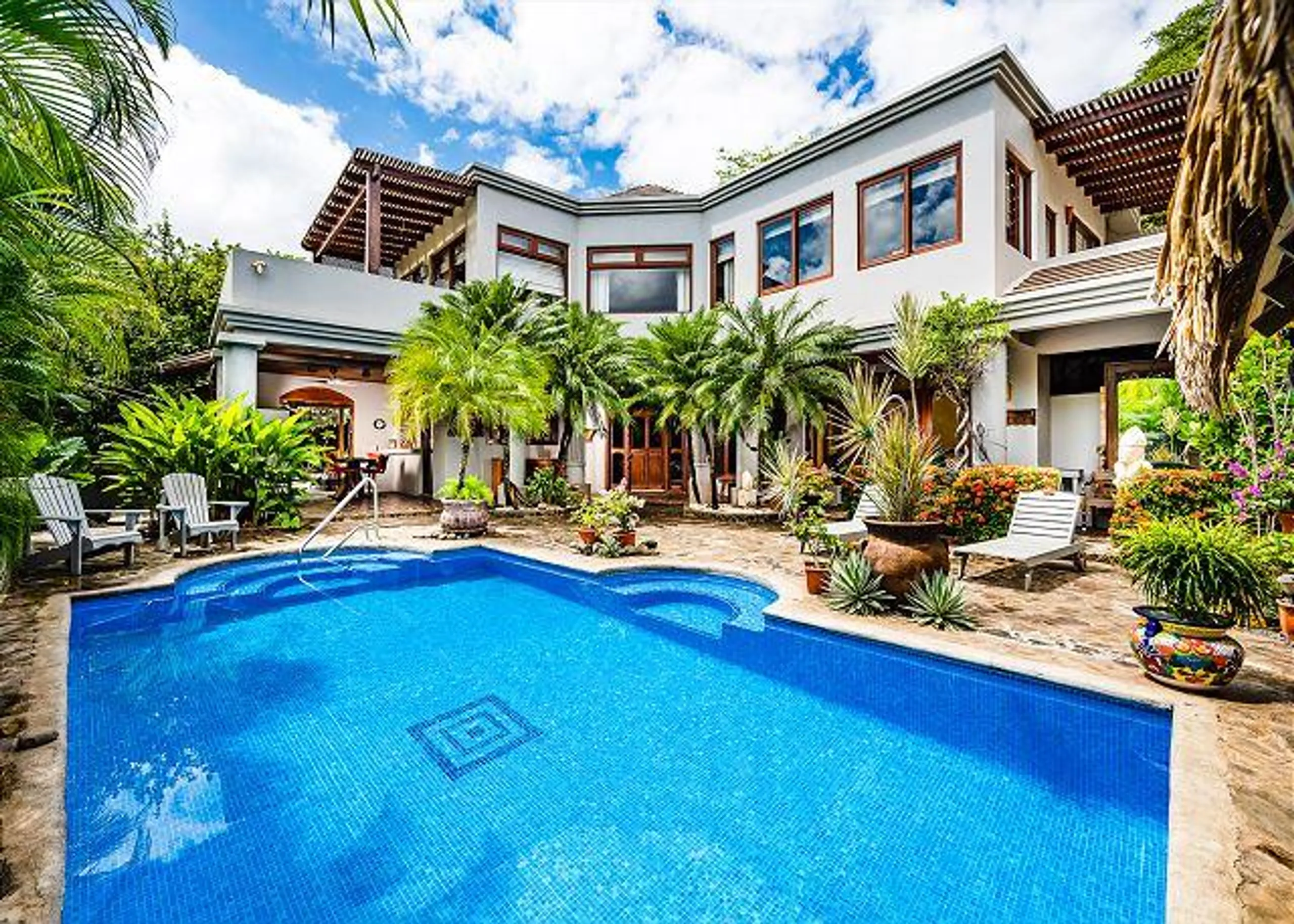
Tamarindo
5 bedrooms · 10 guests
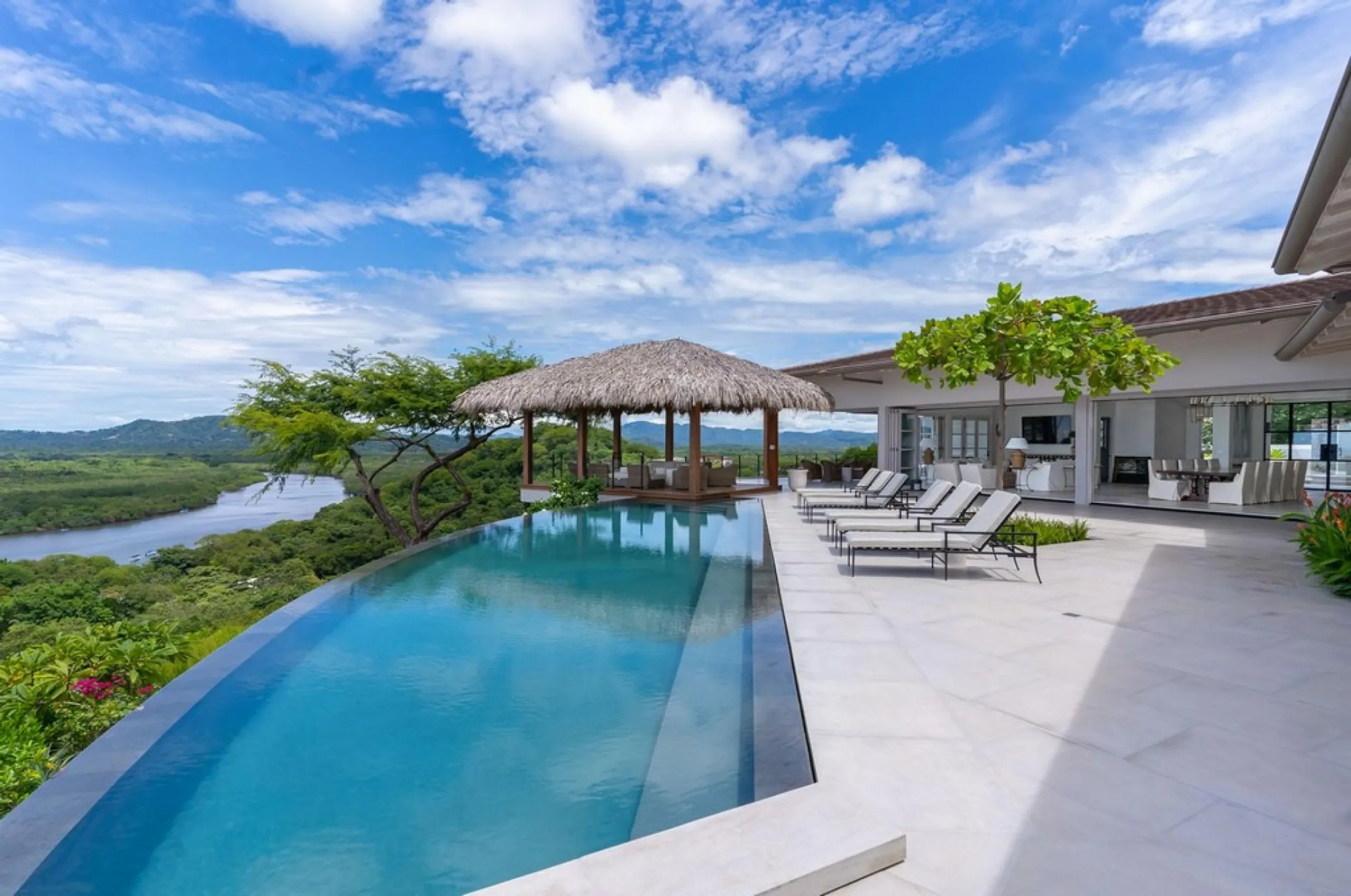
Tamarindo
6 bedrooms · 14 guests
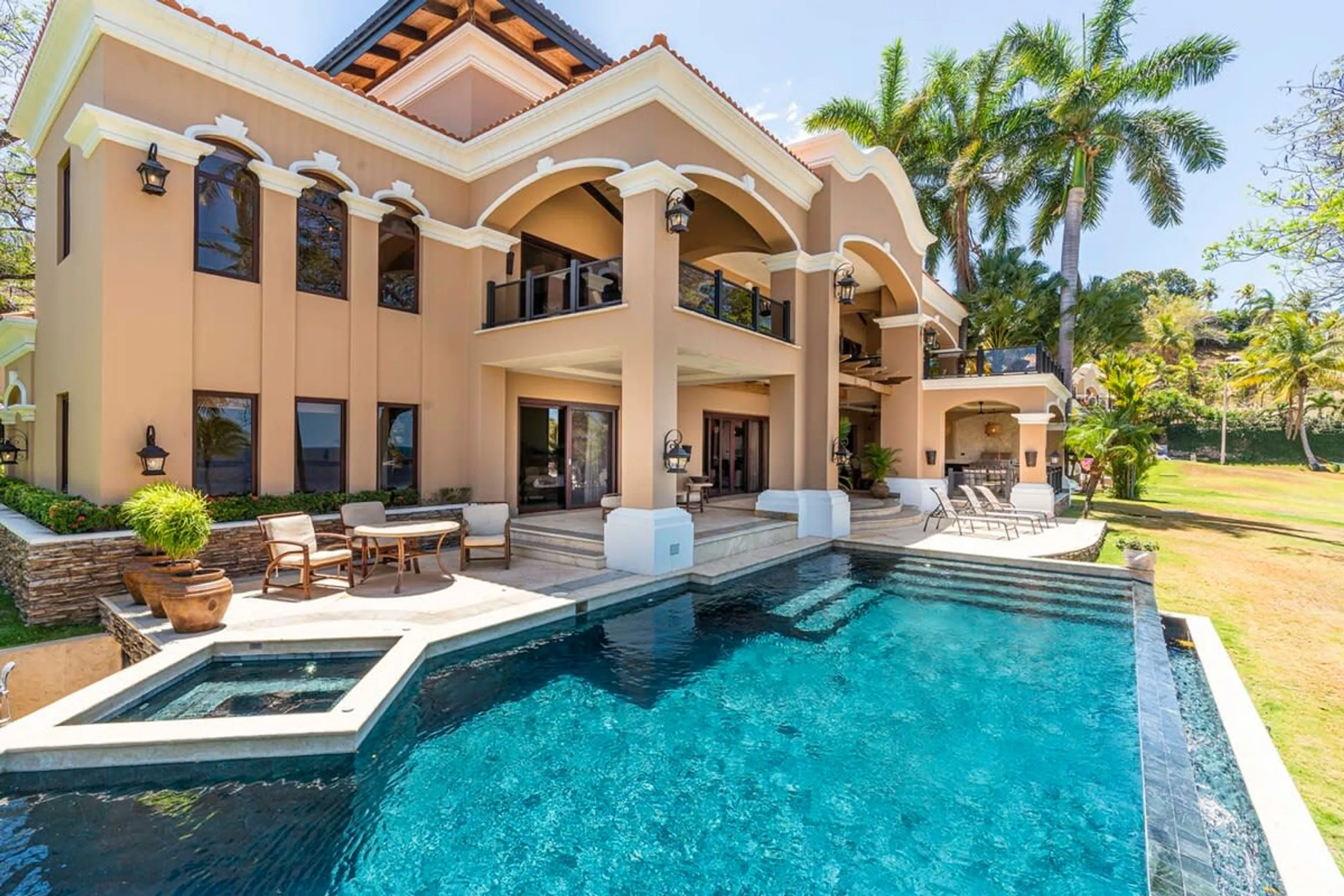
Playa Flamingo
5 bedrooms · 10 guests
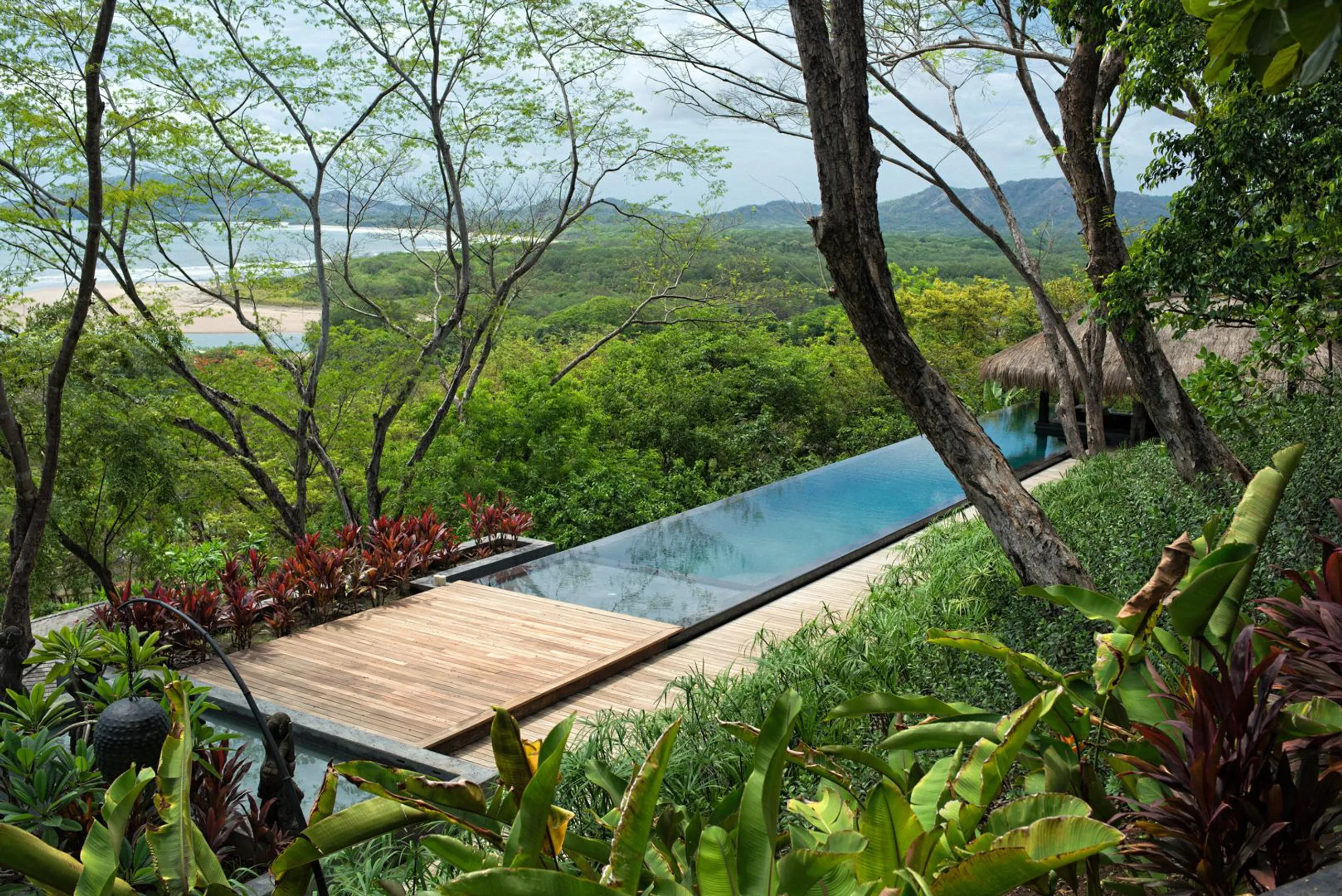
Tamarindo
8 bedrooms · 19 guests
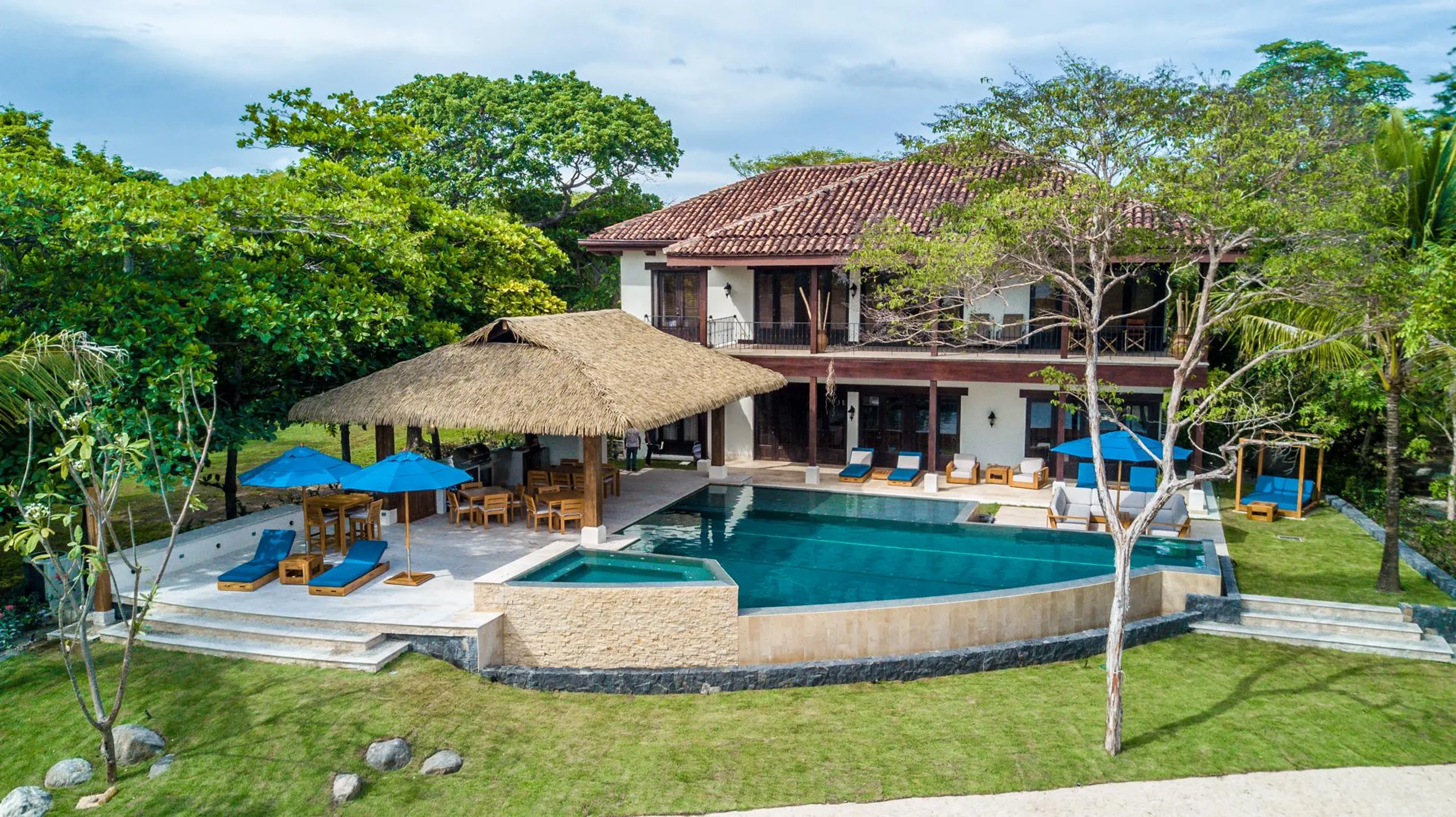
Playa Avellanas
7 bedrooms · 22 guests
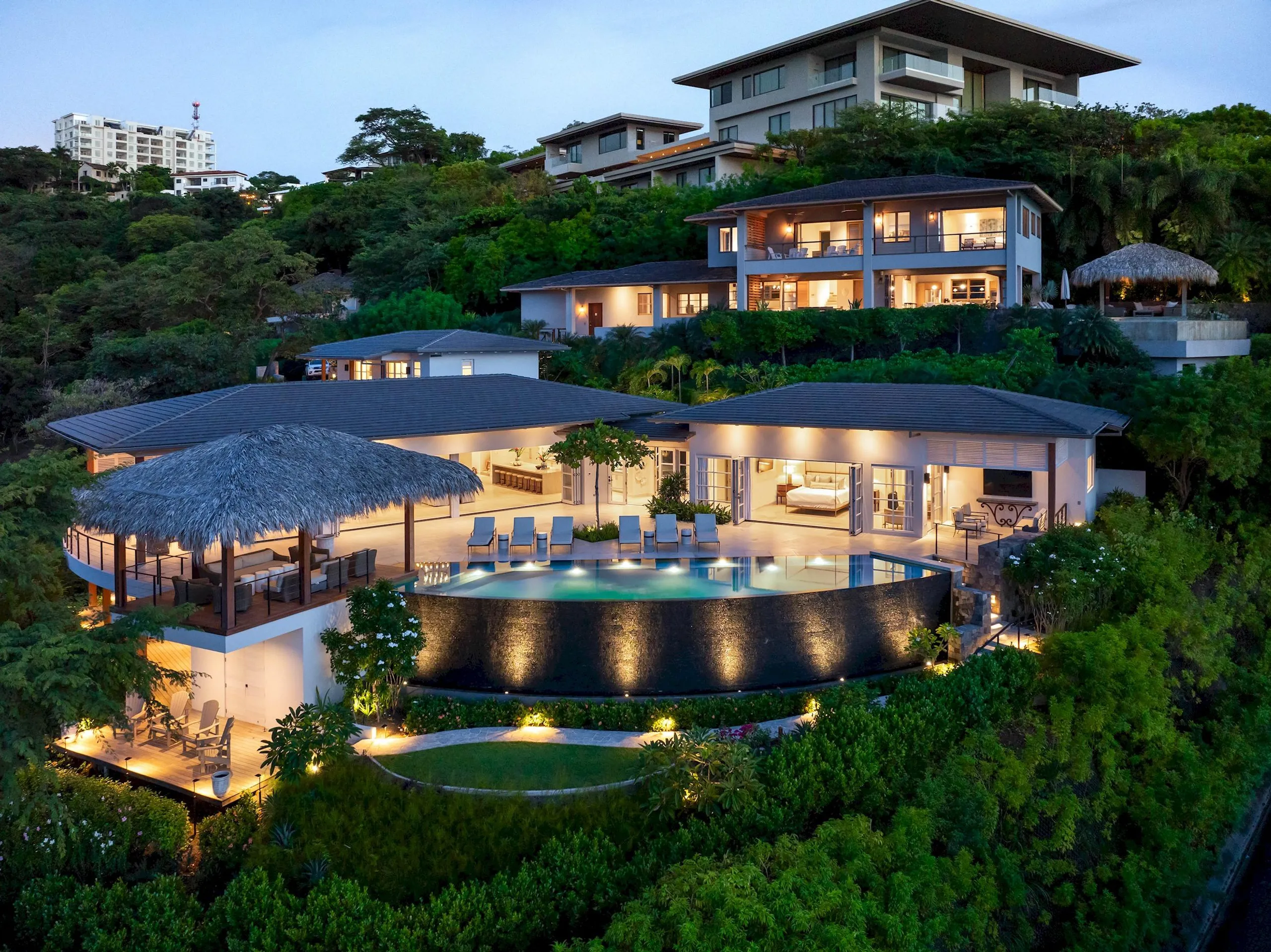
Tamarindo
6 bedrooms · 14 guests
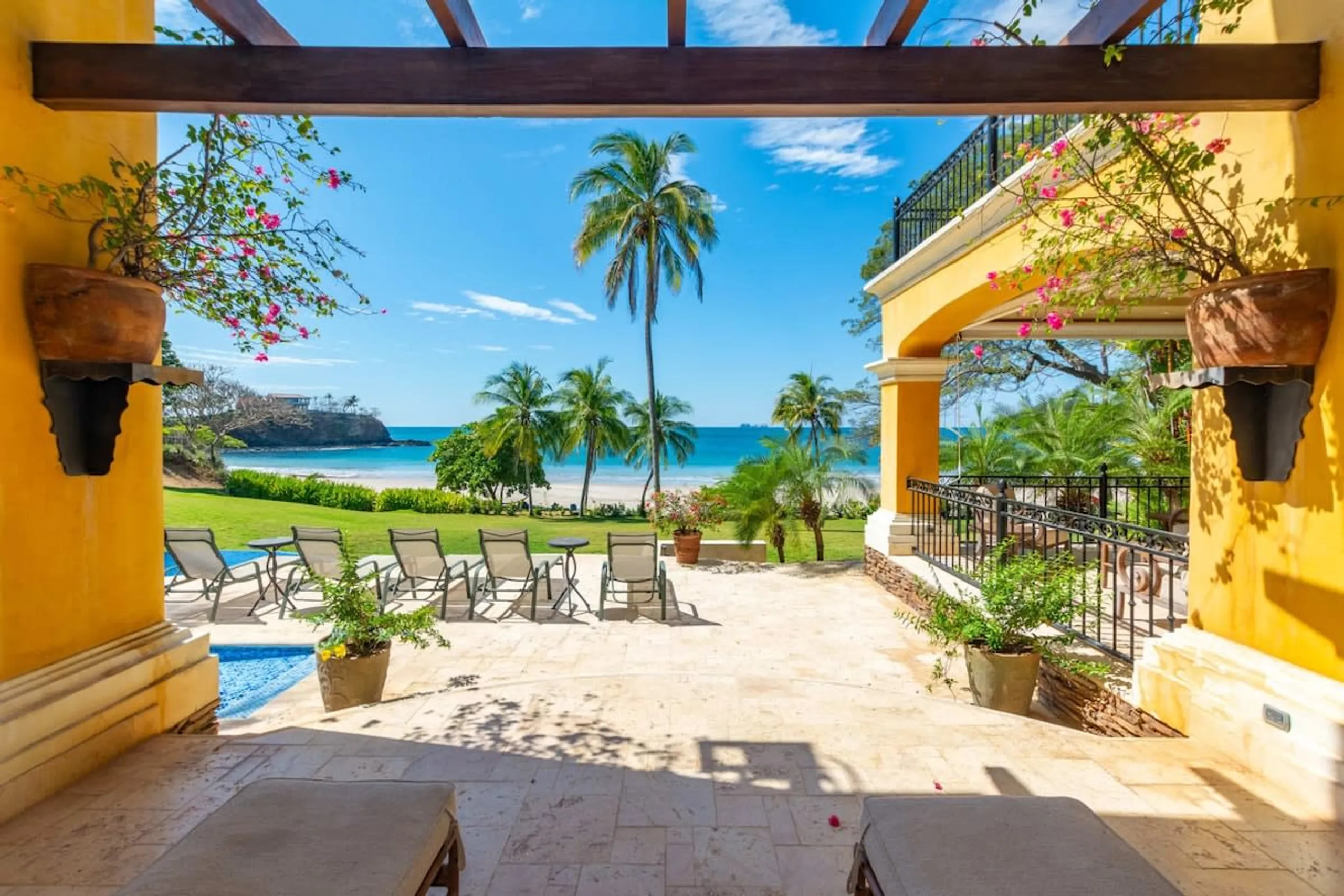
Playa Flamingo
4 bedrooms · 8 guests
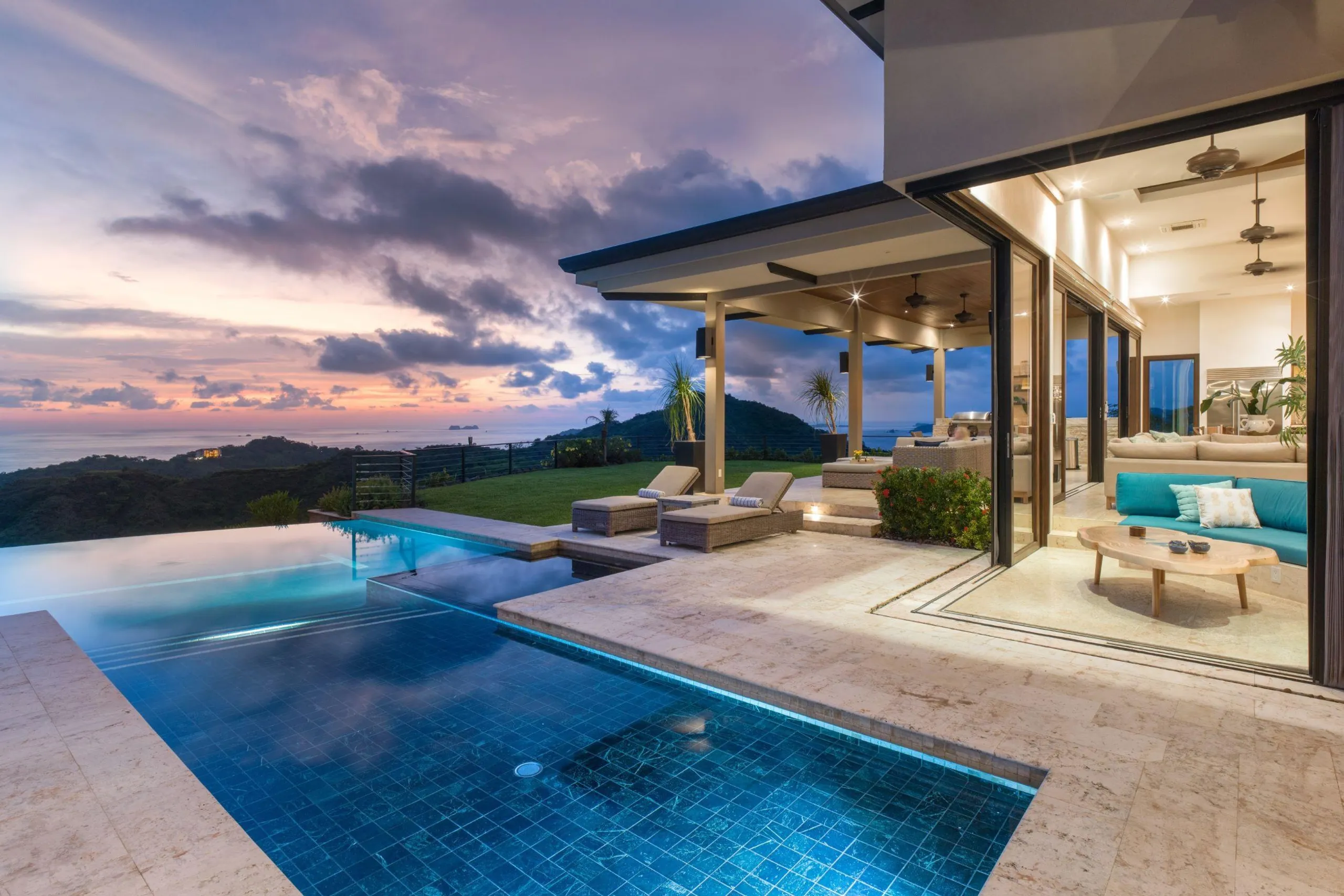
Playa Flamingo
5 bedrooms · 19 guests
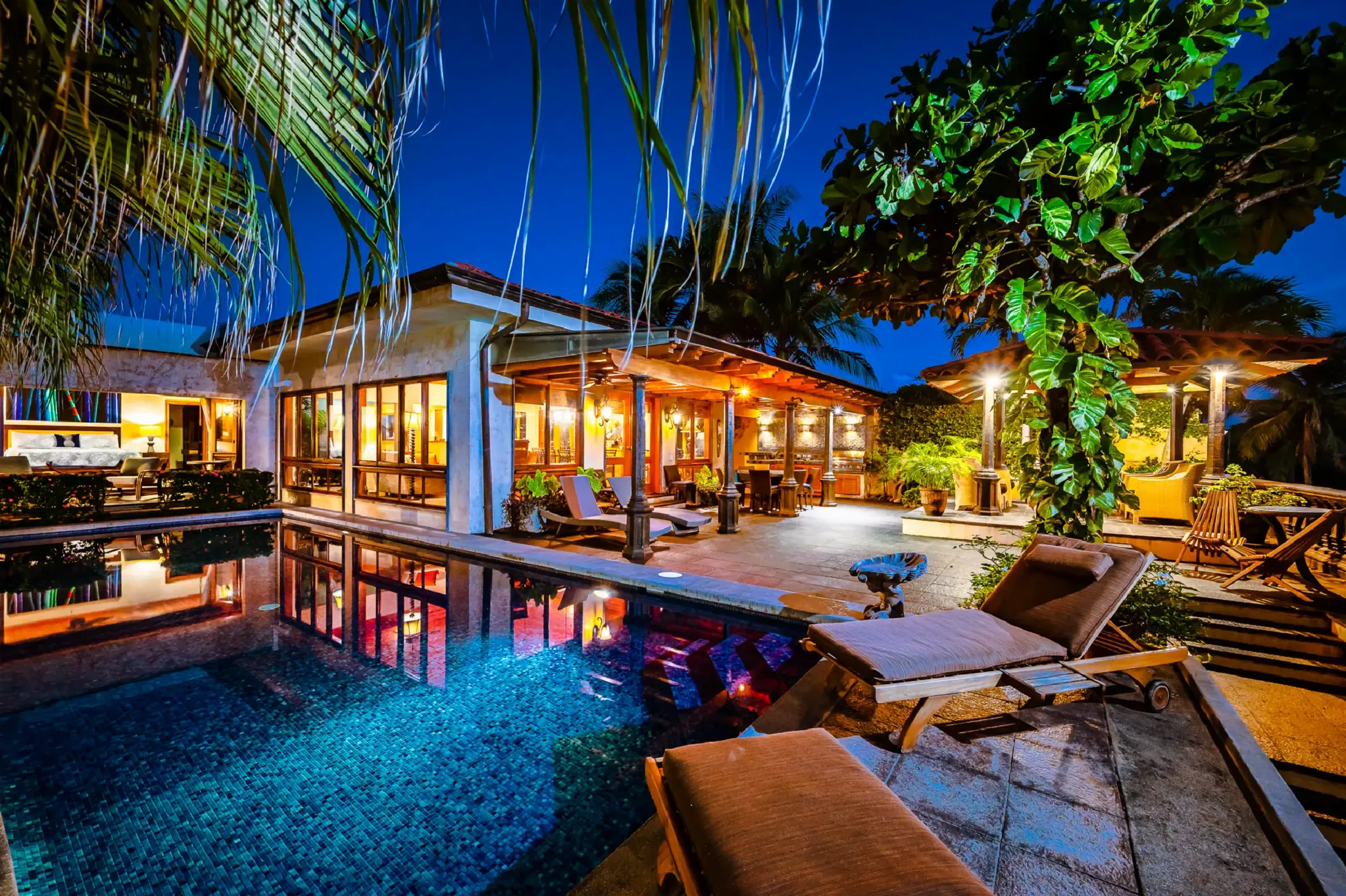
Tamarindo
4 bedrooms · 9 guests
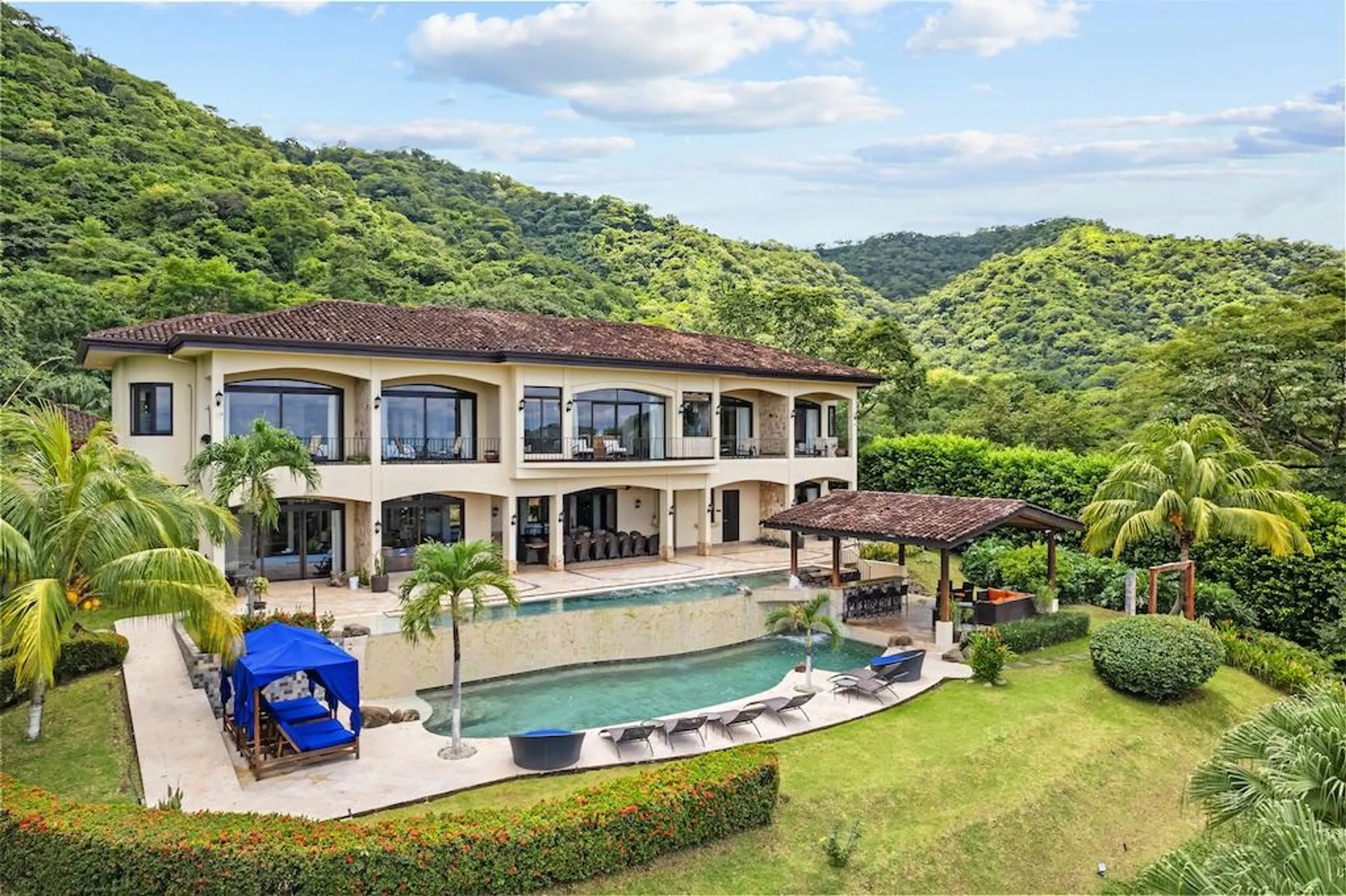
Guanacaste
8 bedrooms · 20 guests
This collection lists 42 villas as of 2026-09-14. Country and regional pages include homes in their linked local areas. These are catalog counts, not date-specific availability.
Listed starting rates in this collection begin at $1,243 USD per night. Luxe Retreats features villas with starting rates of at least $1,200 USD. Request a written proposal for your dates, including taxes, fees, and services.
Open individual villa pages to compare photographs, bedroom counts, guest capacity, and listed amenities. Use the planning guides to identify questions about room access, meals, and transport. Share the shortlisted references with your inquiry.
A listed home is not a confirmation of availability. The team must check your dates and the applicable booking terms. An inquiry does not take payment or hold a property.
Describe your preferred meals and experiences in your stay brief. Inclusions and provider availability vary by villa and date. Ask for a written scope and price before treating a service as confirmed.
The villas shown here are a sampling of our collection. Many homes are offered as private or pocket listings. Send an inquiry with your destination, dates and preferences to request additional options by email; availability is confirmed individually.
Compare your shortlist · Understand starting rates · Send a stay inquiry
These collections span multiple destinations. Use the villa’s location to keep your shortlist in your preferred area.
Explore the Guanacaste destination guide for local areas, experiences and practical planning.
The public collection is a sampling. Additional private and pocket listings can be shared by email after your Guanacaste inquiry, subject to availability.
A regional guide to Guanacaste's private villas, linking distinctive beach bases with dry forest, Chorotega pottery, inland towns and volcanic landscapes.
Guanacaste luxury villa rentals cover a region whose differences are more important than its shared Pacific coastline. Papagayo's bays, Flamingo's marina, Tamarindo's surf-town energy and Nosara's Guiones routine all belong to the broader provincial picture, but they do not produce the same holiday. Inland, Liberia, Santa Cruz, Nicoya, volcanic terrain and dry forest give the region substance beyond its beaches.
The most useful first decision is geographical. Choose the coastal base that suits the daily life you want, then add a small number of inland experiences that make sense from there. Trying to see all of Guanacaste from one villa can create more road time than pleasure. The national tourism board's regional introduction is a helpful starting point for understanding the range; the villa decision should narrow that range into a coherent week.
The Papagayo area is associated with sheltered-looking bays, headlands and resort development rather than one continuous beach town. It appeals to travelers who want the immediate environment of the property to carry a large part of the stay. The setting can be particularly persuasive for a group that values views, boating possibilities and time at home over spontaneous walks along a commercial main street.
The surrounding coast includes distinct places such as Playas del Coco, Playa Hermosa and Playa Panamá. They should be read as separate localities, not interchangeable labels for the same stretch of sand. A villa near one may put that beach and its services at the center of the day, while another address makes the resort or hillside setting the main experience.
This is the Guanacaste Playa Hermosa, which must be distinguished from the beaches of that name near Jacó and Santa Teresa. Precise naming is not a minor booking detail in Costa Rica. It determines the airport transfer, the appropriate nearby outings and the kind of coast you will actually wake up beside.
Playa Flamingo is a strong choice when the holiday should revolve around a beach, a marina and neighboring bays. Flamingo and Potrero share a broader coastal setting but create different immediate routines. A hilltop villa may make the terrace the destination; a lower address may emphasize access to the shore or nearby meals.
The coast south toward Brasilito and Conchal adds variety without requiring a complete change of base. Brasilito contributes village life, while Conchal is known for the shell-rich character of its beach. These places work well as a considered outing with time for lunch, not as stops in a race to photograph every bay. Leave shells in place and use appropriate beach access routes.
Farther north, Las Catalinas and Playa Danta offer a more deliberately walkable town setting and an active relationship to nearby trails. The similar-sounding Catalina Islands are offshore and belong to a different kind of excursion. A diving trip and a visit to Las Catalinas should never be confused when planning the week's transport and activities.
Tamarindo is the more direct choice when restaurants, surf lessons and town life should remain close to the villa routine. Its main beach, the estuary at the northern end and the residential setting around Langosta give travelers several different bases within the destination. The right one depends on how much movement and independence the group wants.
A central villa can support separate morning plans followed by a shared lunch. Langosta can suit guests who prefer to visit the center deliberately and return to a more residential setting. Playa Grande across the estuary is a separate outing whose access should be planned appropriately, rather than treated as a casual walk across a waterway.
The wider Las Baulas conservation setting gives the area an ecological dimension beyond surfing. Wildlife visits must follow current rules and should never be built around a guaranteed turtle encounter. Tamarindo works best for travelers who appreciate that combination of visible town life and nearby coastal habitat, rather than expecting uninterrupted seclusion everywhere around them.
Nosara makes a different promise: the possibility of settling into a repeatable pattern around Guiones, Pelada and the forest. Surfing and yoga are prominent parts of the visitor experience, but the most satisfying stay does not require a full program. A morning activity and an unhurried afternoon can be enough.
The distinction between Nosara town and the beach districts matters when choosing a private villa. A property with a Nosara address may not support the beach walk imagined from its photographs. Guiones, Pelada and the hills each create different routes to meals, classes and the sea. Decide which of those daily journeys you want to make easiest.
Nosara is not a quick substitute for a villa elsewhere in Guanacaste merely because both appear under the same province. Give it enough nights to establish its own rhythm. If combining it with a northern coastal base, make the contrast intentional: perhaps a more organized boating stay first, followed by a quieter sequence of surf mornings and meals at home.
Liberia is often encountered first as an arrival gateway, but the city also helps orient Guanacaste's inland geography. Taking time in the urban center changes the picture from resort roads to a regional city with ordinary work, shopping and civic life. It can be a useful beginning or end to a journey, especially when the flight schedule leaves a sensible interval.
Avoid treating a town visit as a search for a staged version of authenticity. A coffee, a walk through the center and an interest in the streetscape can be enough. The experience is valuable because it places the coast within a region where people live and work, not because every corner contains a major attraction.
For a villa holiday, Liberia also illustrates why arrival planning should consider the entire route. A flight that looks ideal in isolation may leave a long final drive after dark, while another schedule may make the journey calmer. Choose the flight, transfer and first meal together. The airport is the beginning of the destination, not the point at which travel automatically ends.
Santa Cruz and Nicoya deserve attention as inland centers of Guanacaste life. They offer a counterpoint to the international visitor districts along the coast, with opportunities to explore food, religious heritage and regional traditions. In Nicoya, San Blas church is a meaningful landmark to include when current visitor access permits. Treat it as an active religious place, with the corresponding respect for services and local use.
A cultural day works best with a clear focus. Combine a town visit with a meal and, if the route makes sense, time in a pottery community. Do not add so many stops that every conversation becomes hurried. A guide with knowledge of the region can help connect what might otherwise seem like unrelated buildings, dishes and objects.
The provincial identity becomes easier to understand when coastal leisure is placed beside these inland experiences. A private villa then serves as a comfortable base for exploring Guanacaste rather than a reason to remain detached from it. Our guide to local villa experiences considers how to choose outings that add substance to a stay.
Guaitil and San Vicente are associated with Chorotega ceramic traditions. Costa Rica's cultural information system describes the artisans' cooperative and the importance of pottery to these communities. The interest lies in a living practice, involving materials, making and family knowledge, rather than simply in decorative objects displayed for sale.
The Ministry of Culture's account also identifies the Ecomuseo de la Cerámica Chorotega in San Vicente and efforts to preserve techniques. Arrange a visit that allows time to learn about the work. Ask makers about the piece in front of you, rather than assuming all designs or production methods have the same history.
Buying directly, when appropriate, can make the encounter more meaningful, but there is no obligation to turn every visit into a purchase. If a piece does belong in your home, discuss packing before travel. An object chosen with knowledge of its maker and process carries a different significance from a souvenir selected only because it fits a suitcase.
Santa Rosa National Park offers a northern Guanacaste experience in which history and environment meet. The Casona de Santa Rosa museum presents the history of the hacienda and the conservation area. It provides a cultural point of entry into a landscape that should not be reduced to a scenic drive.
The dry forest is especially important to the region's identity. Travelers accustomed to imagining all Costa Rican forest as uniformly wet and green can find the seasonal changes revealing. Bare branches, changing foliage and the return of growth are part of an ecological rhythm rather than signs that the landscape has failed to resemble a brochure.
Use the conservation area's current reservation and visitor information when arranging the trip. Not every sector or road should be assumed open or appropriate for a standard vehicle. A visit centered on the museum and an authorized trail can be rewarding without pursuing the most remote beach or attempting to fit the whole protected area into one day.
Rincón de la Vieja National Park introduces volcanic terrain to the regional picture. Plan around the sectors and trails currently open through the park authority. Do not assume summit access or a particular route from an old itinerary. The attraction is the active geological landscape and its surrounding habitats, experienced within current restrictions.
Palo Verde National Park offers a contrasting wetland environment. It is a more natural choice for travelers whose interest centers on birds, water and habitat relationships than on volcanic features. A guide can help explain what seasonal water levels mean for the experience, without promising a fixed list of species.
These two places should not be interchangeable entries under a generic nature-tour heading. Choose the one that best suits the group's interest and the villa's location, then allow enough time to experience it properly. A full inland day is often more rewarding than trying to preserve every hour of beach time while adding a distant park almost as an afterthought.
Corn is a useful thread through a culinary exploration of Guanacaste. Fresh tortillas, local cheese and preparations such as chorreadas offer a different breakfast or snack from the standard international hotel spread. Rice and beans remain familiar anchors, but the region's food is more interesting when you pay attention to texture, preparation and the people making it.
For a planned coastal dinner, Sentido Norte at Las Catalinas provides a specific restaurant to consider, with an outlook that makes the setting part of the meal. Elsewhere on the coast, Coco Loco at Flamingo offers a different relationship to the beach. Pick an address that belongs naturally to your day's geography rather than driving across the province for a restaurant name.
At the villa, a chef can bring regional ingredients into a menu adapted to the group. Our private-chef guide helps establish how shopping and service will work. The most memorable meal may be a simple lunch after an inland visit, when a tortilla or a ceramic bowl on the table connects naturally with what you have seen.
Guanacaste's dry and green seasons change the landscape and the practical rhythm of a stay. Shade is essential in bright weather; covered outdoor living is valuable when rain arrives. These are reasons to choose a well-functioning house, not reasons to assume one season is universally right for every traveler.
Use our Costa Rica villa-regions guide to place Guanacaste alongside the country's other coastal and inland options. Within the province, select one base carefully rather than expecting a single villa to make every attraction convenient. Inquire about Guanacaste luxury villa rentals with your dates, preferred coast and interests beyond the beach. Public villas are a sampling; additional private or pocket listings may be shared by email after inquiry, subject to availability.